
“How to colonize Mars?”
Ideas about: how to colonize the red planet.
Read the article
Read the article
Read the article
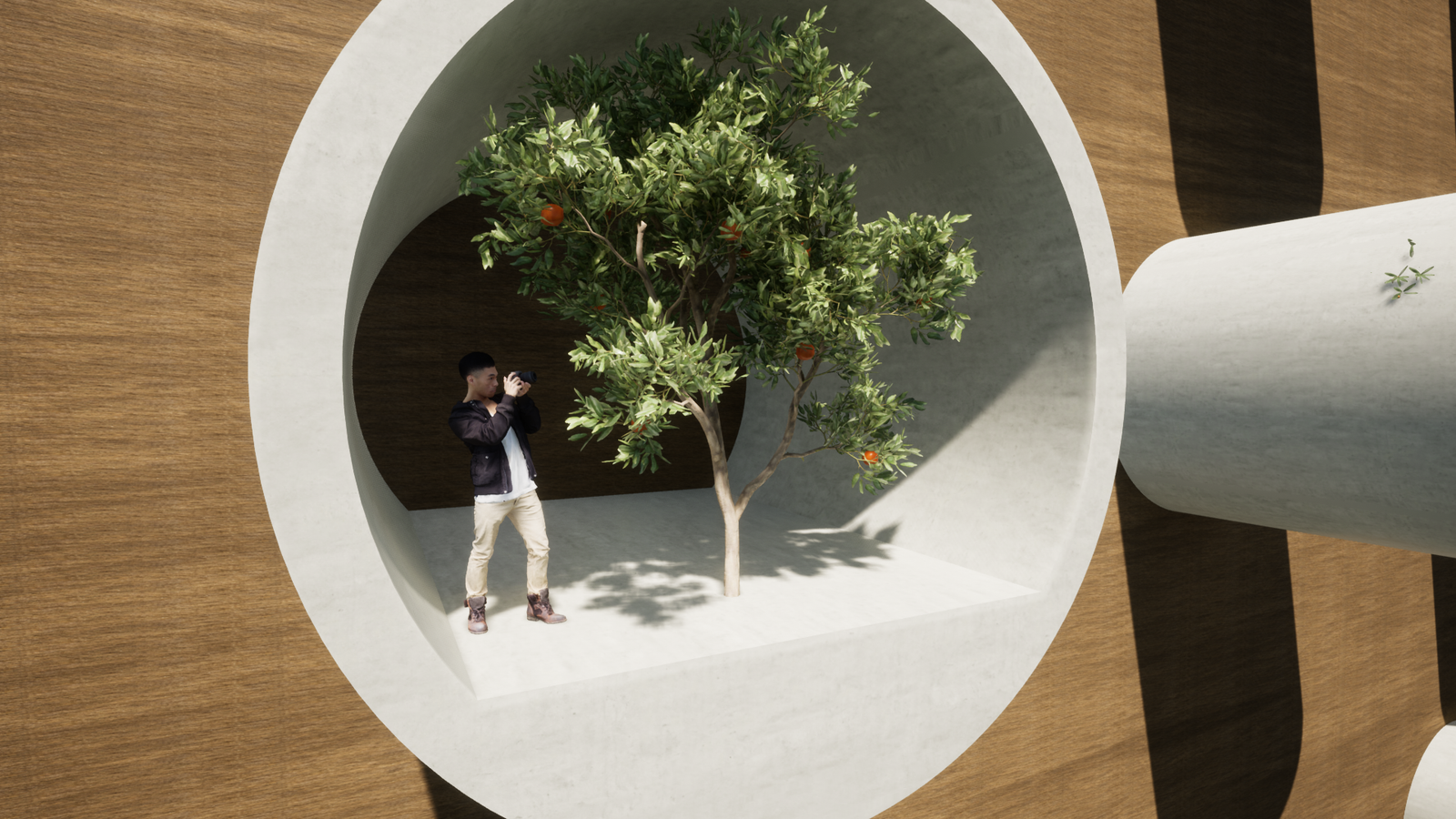
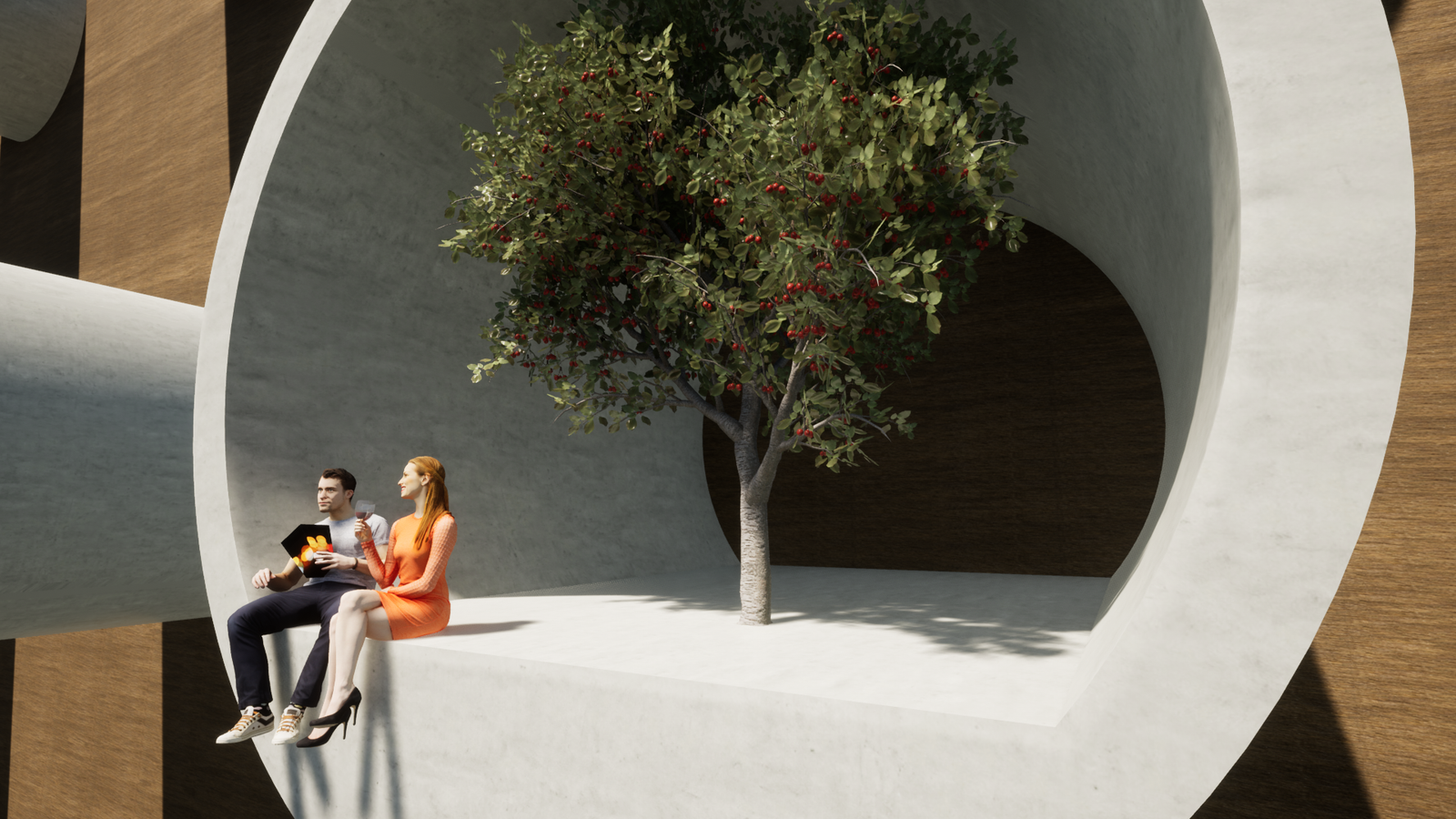
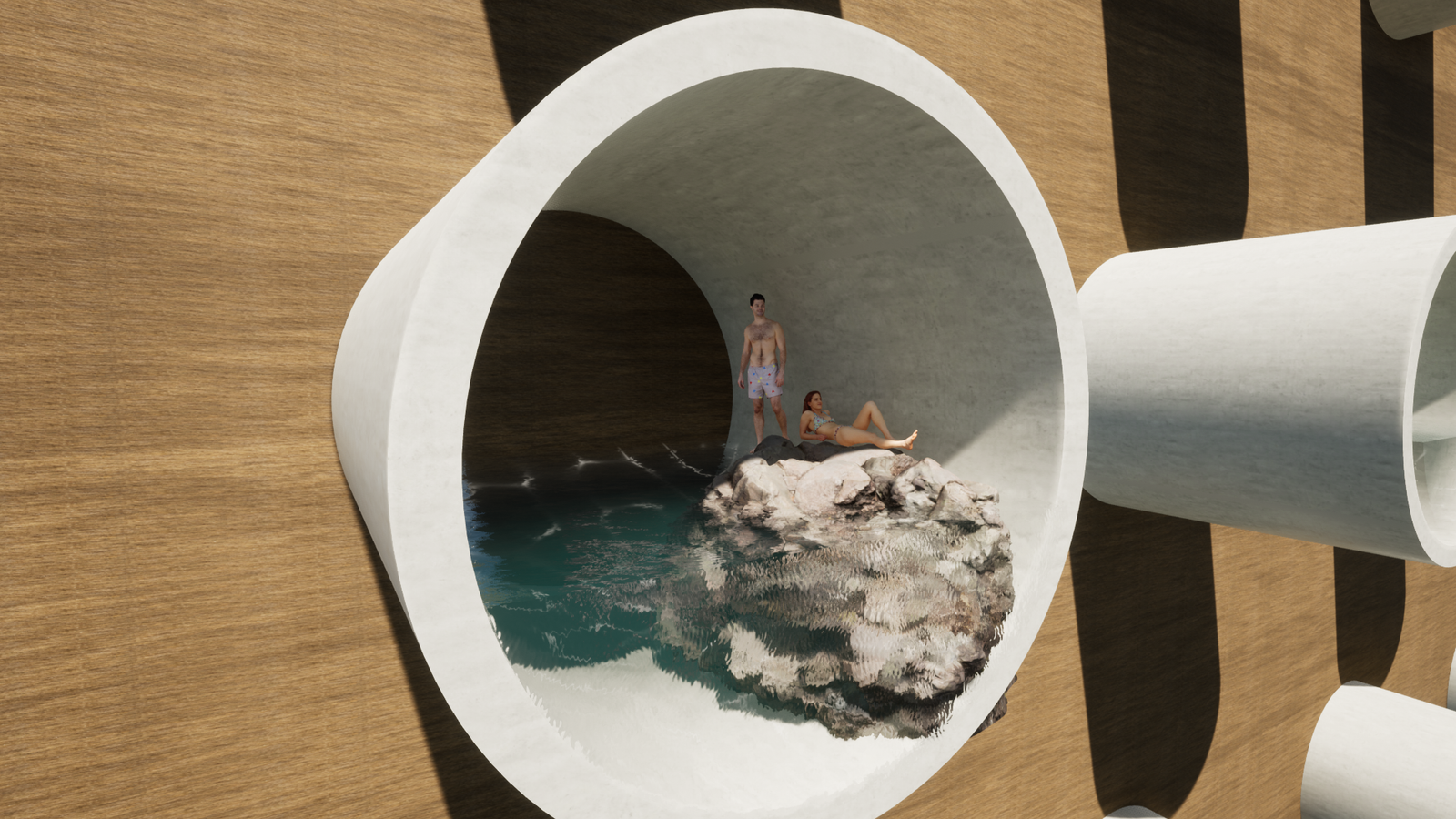
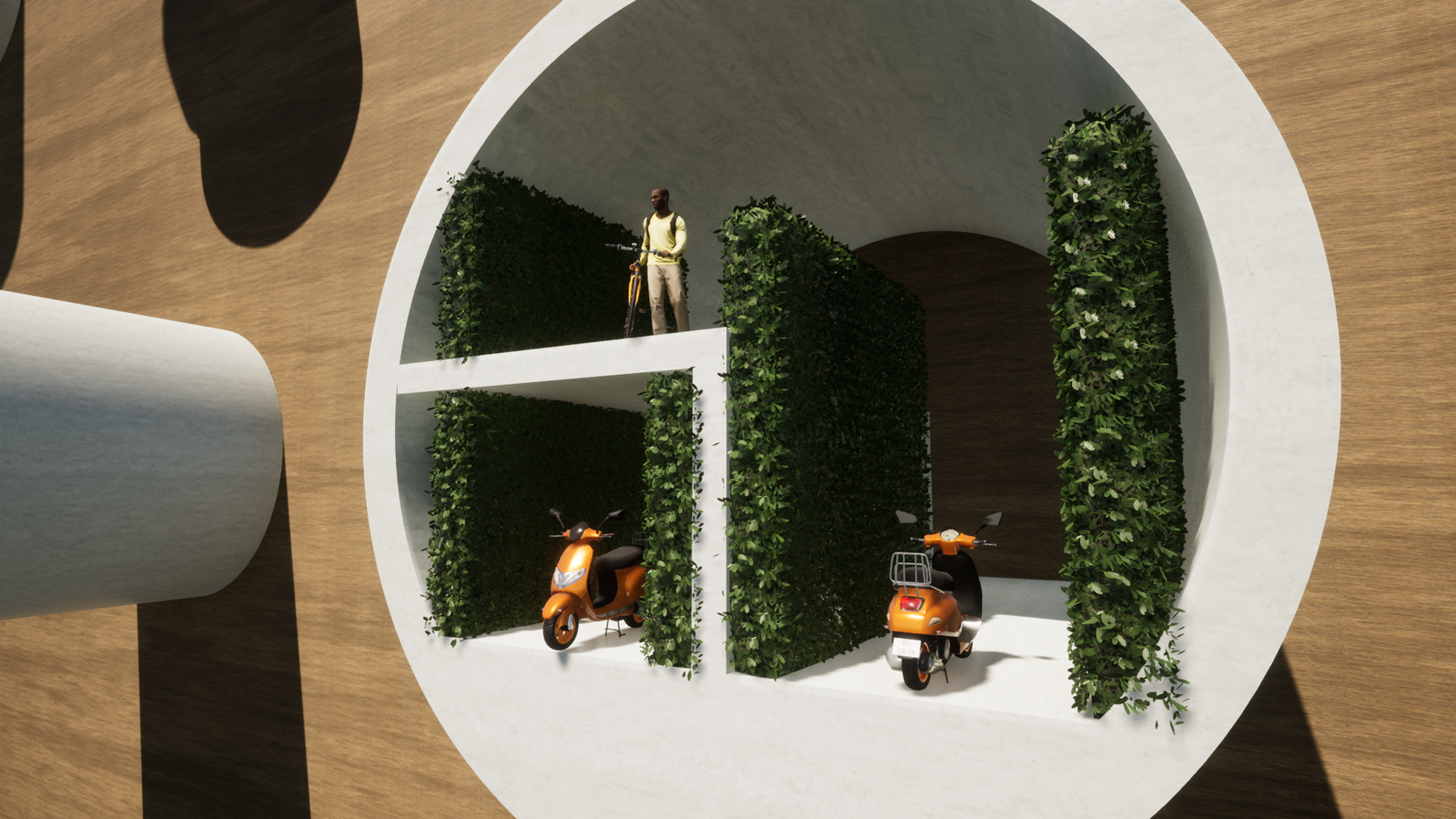
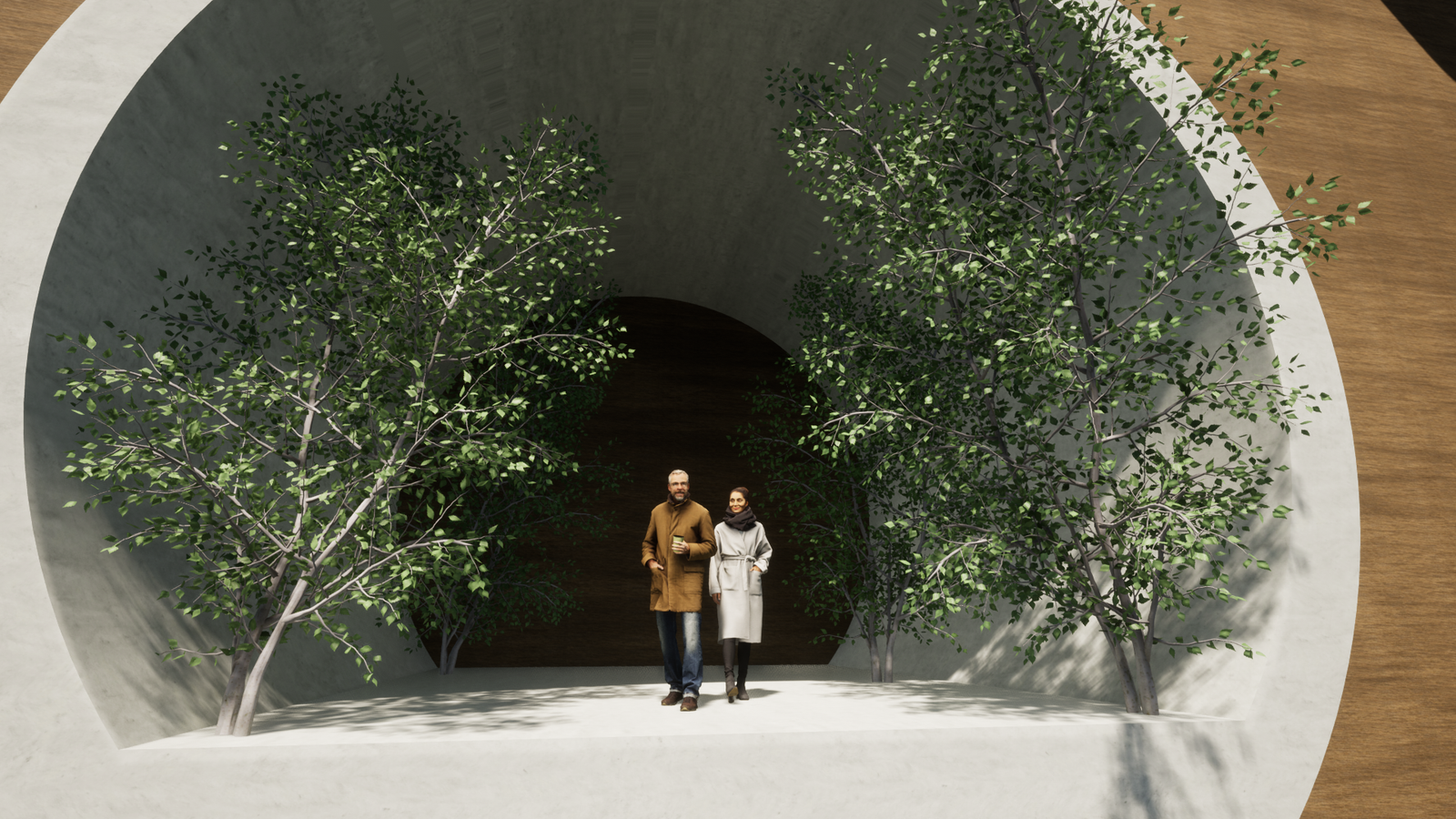
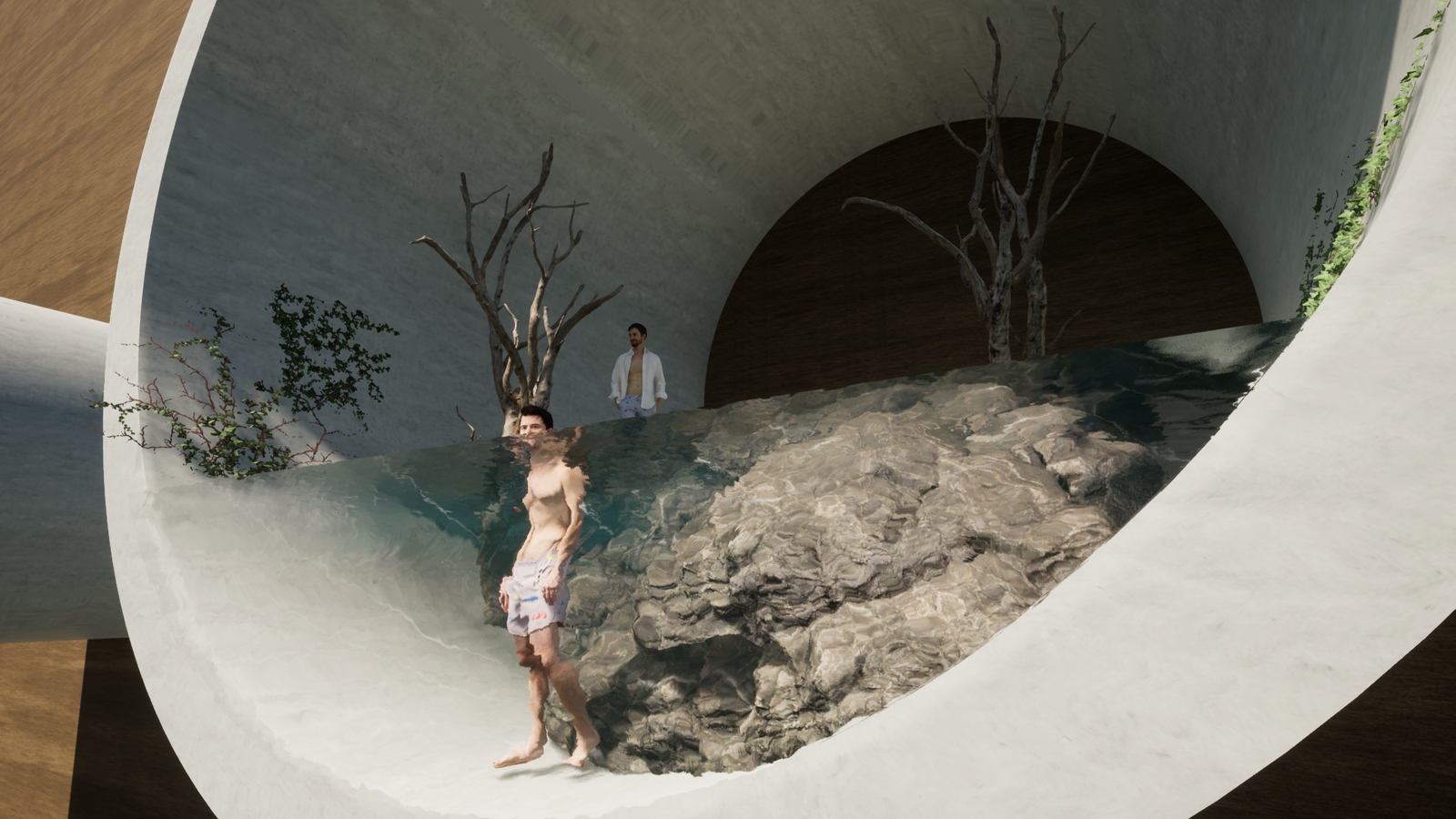

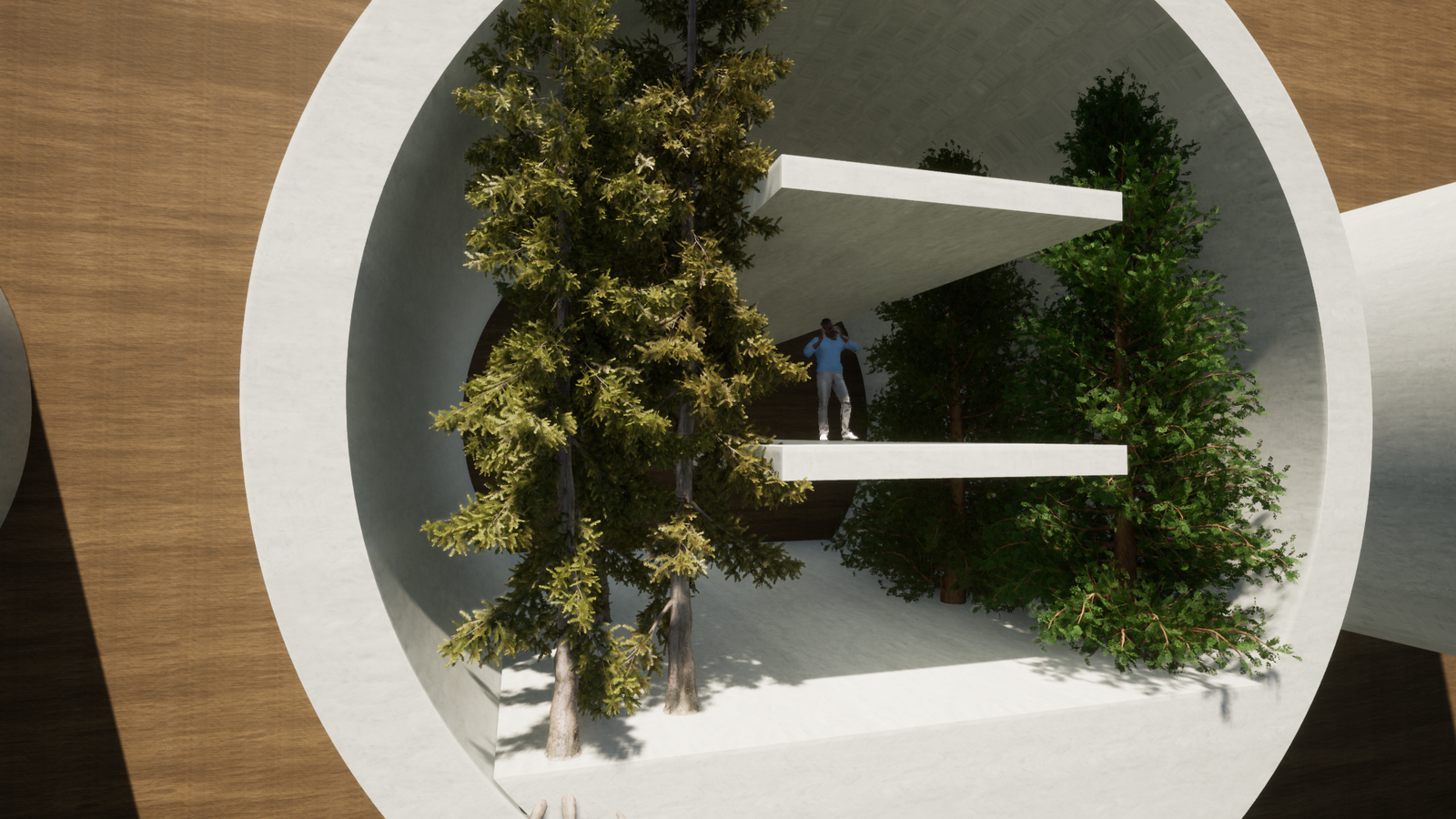
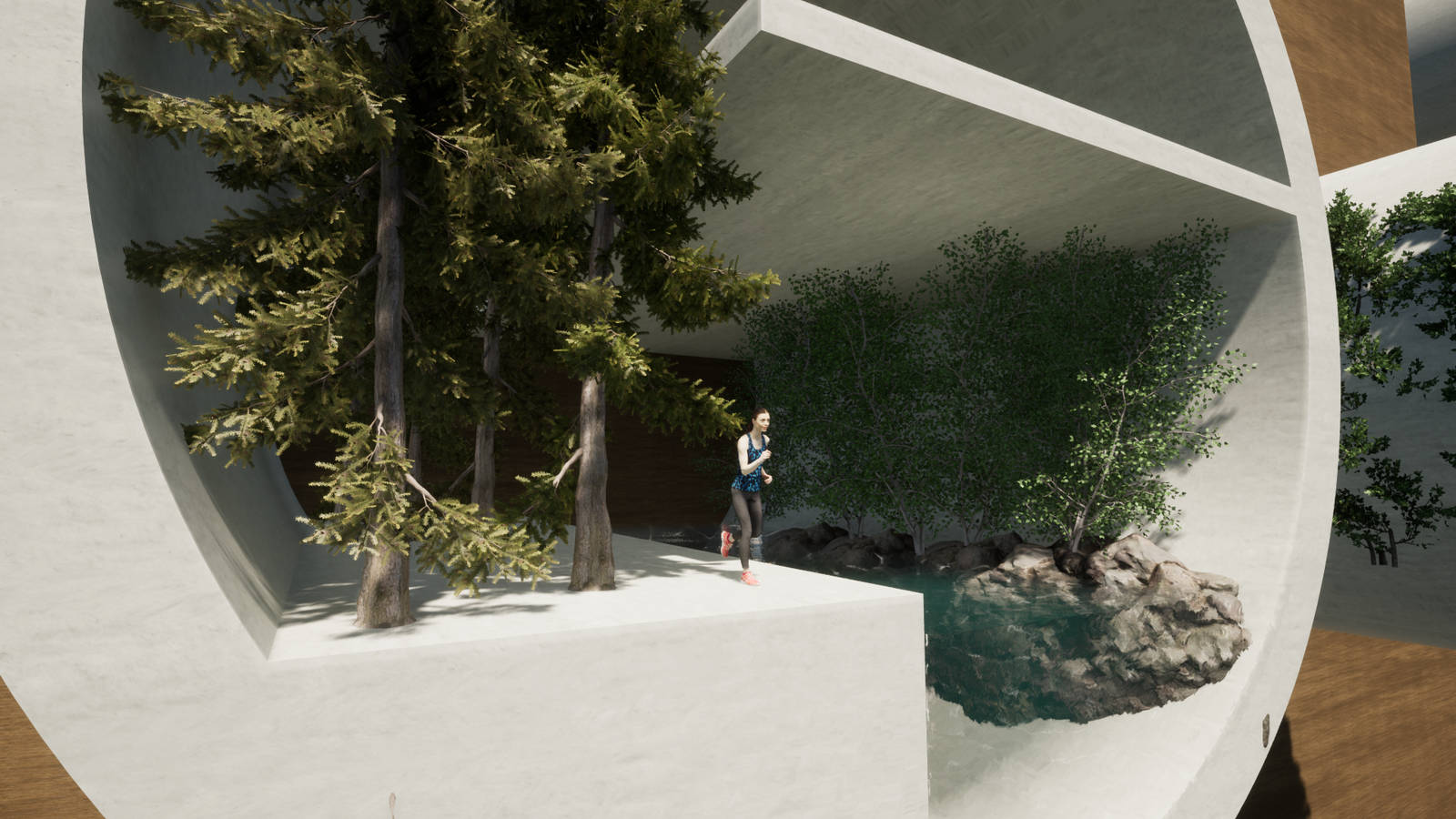
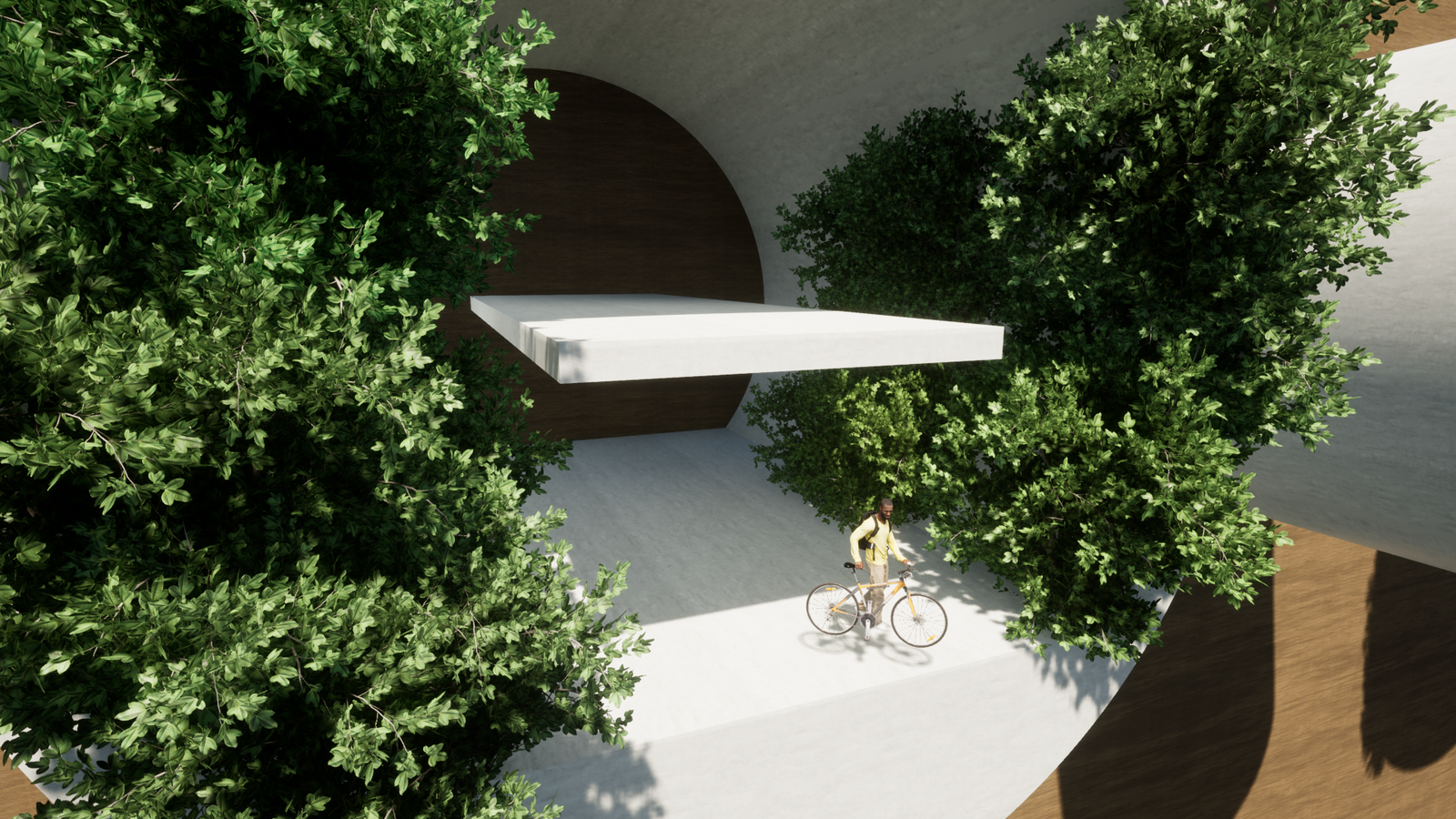
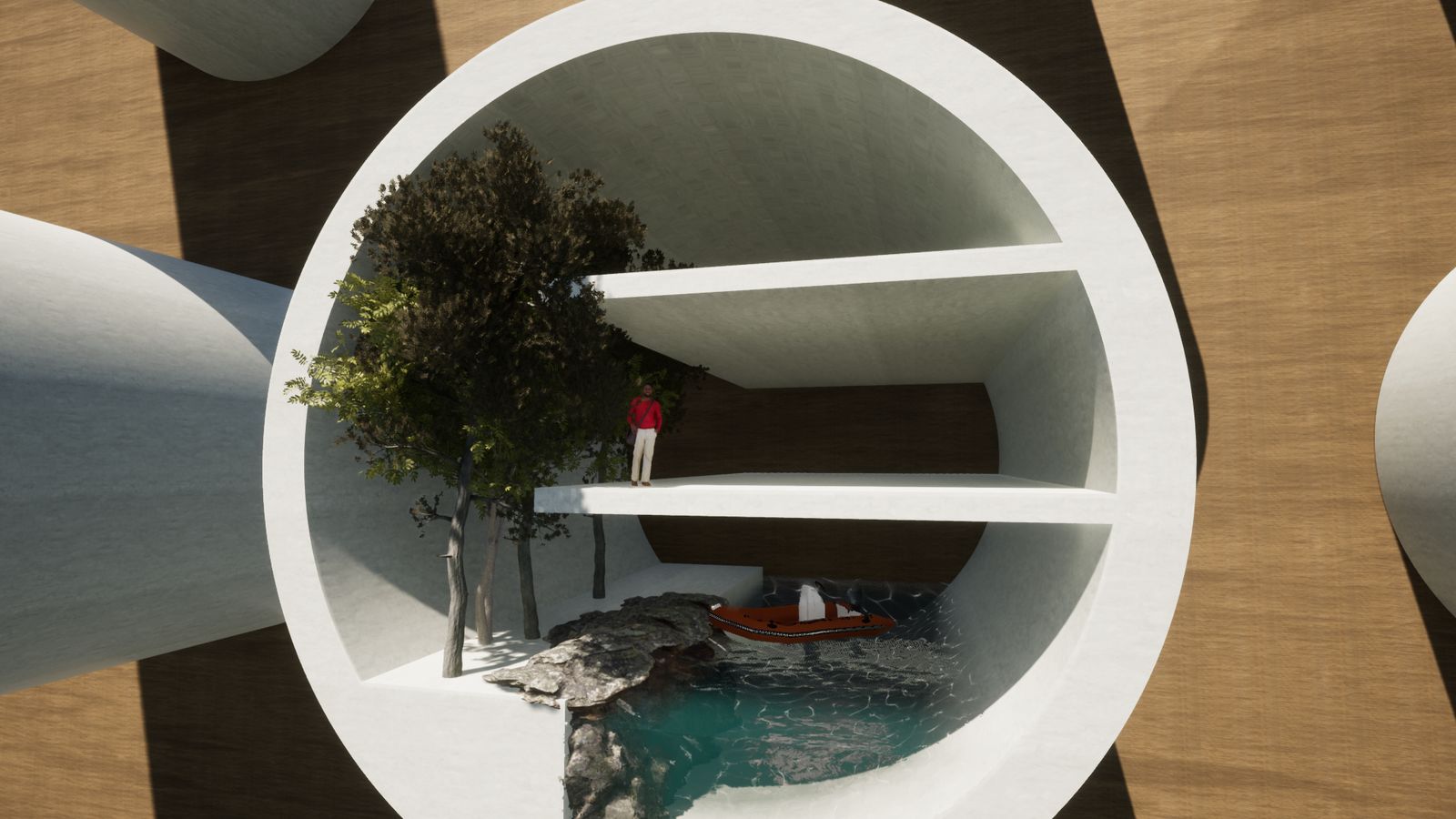
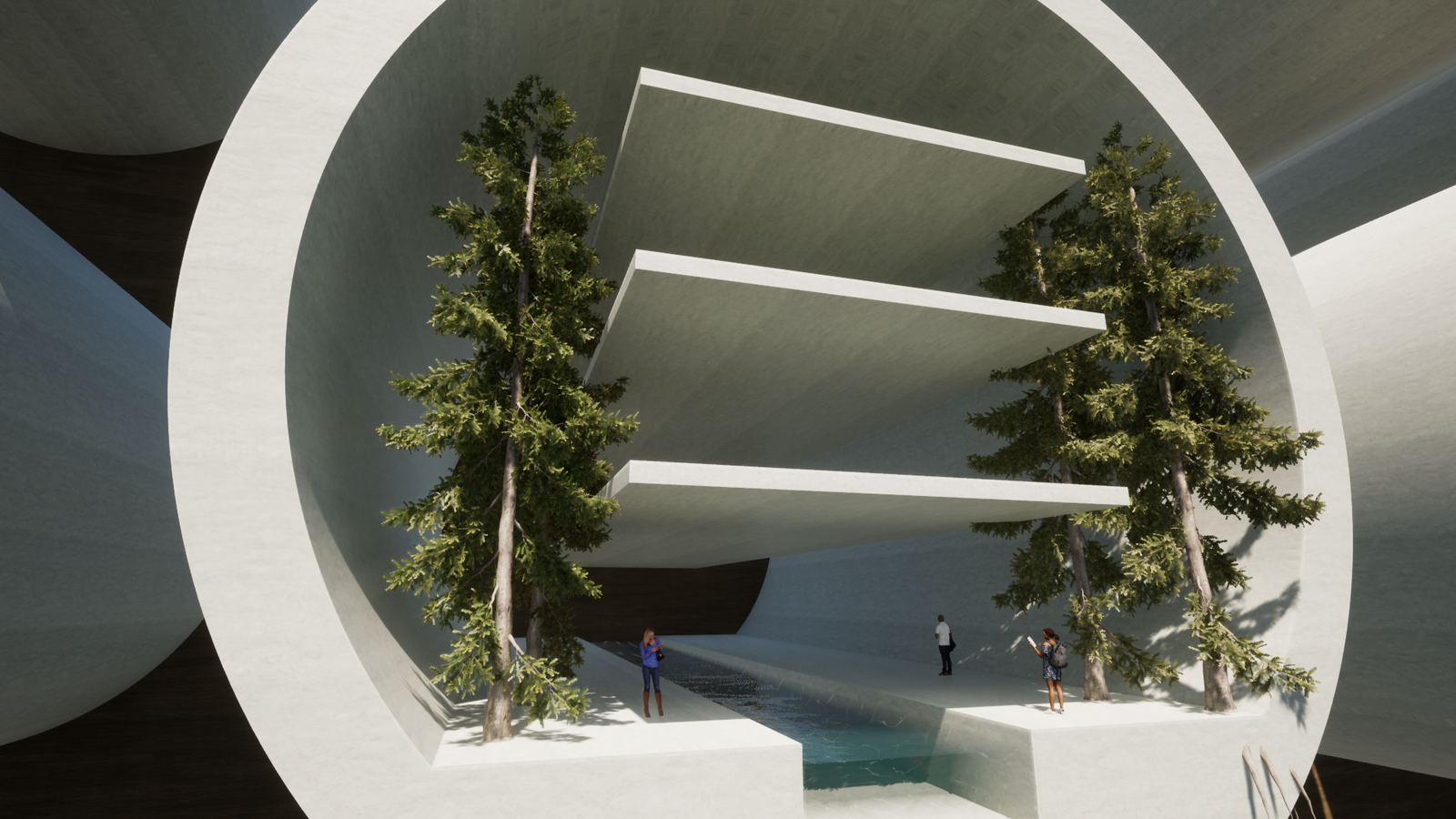
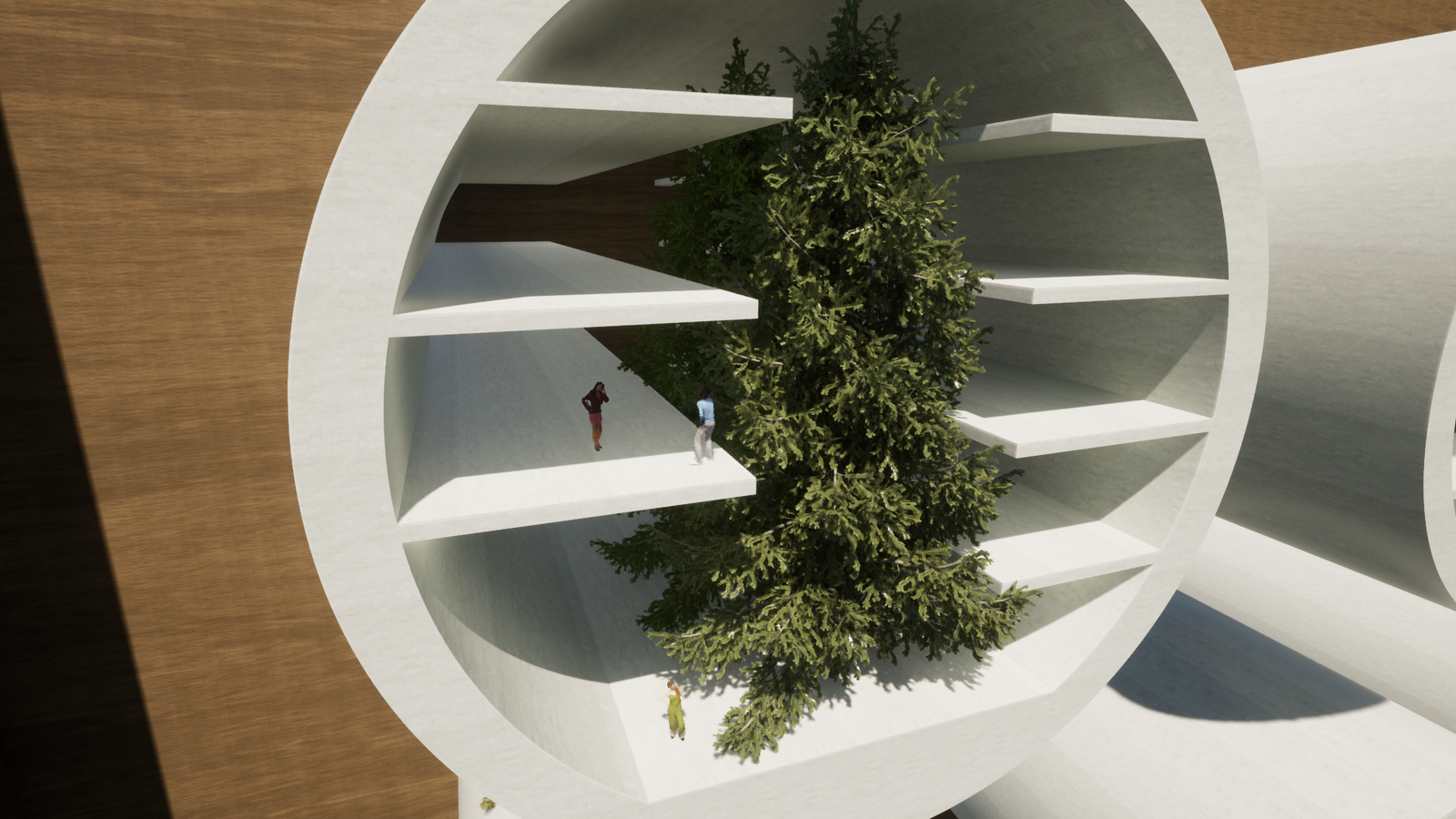
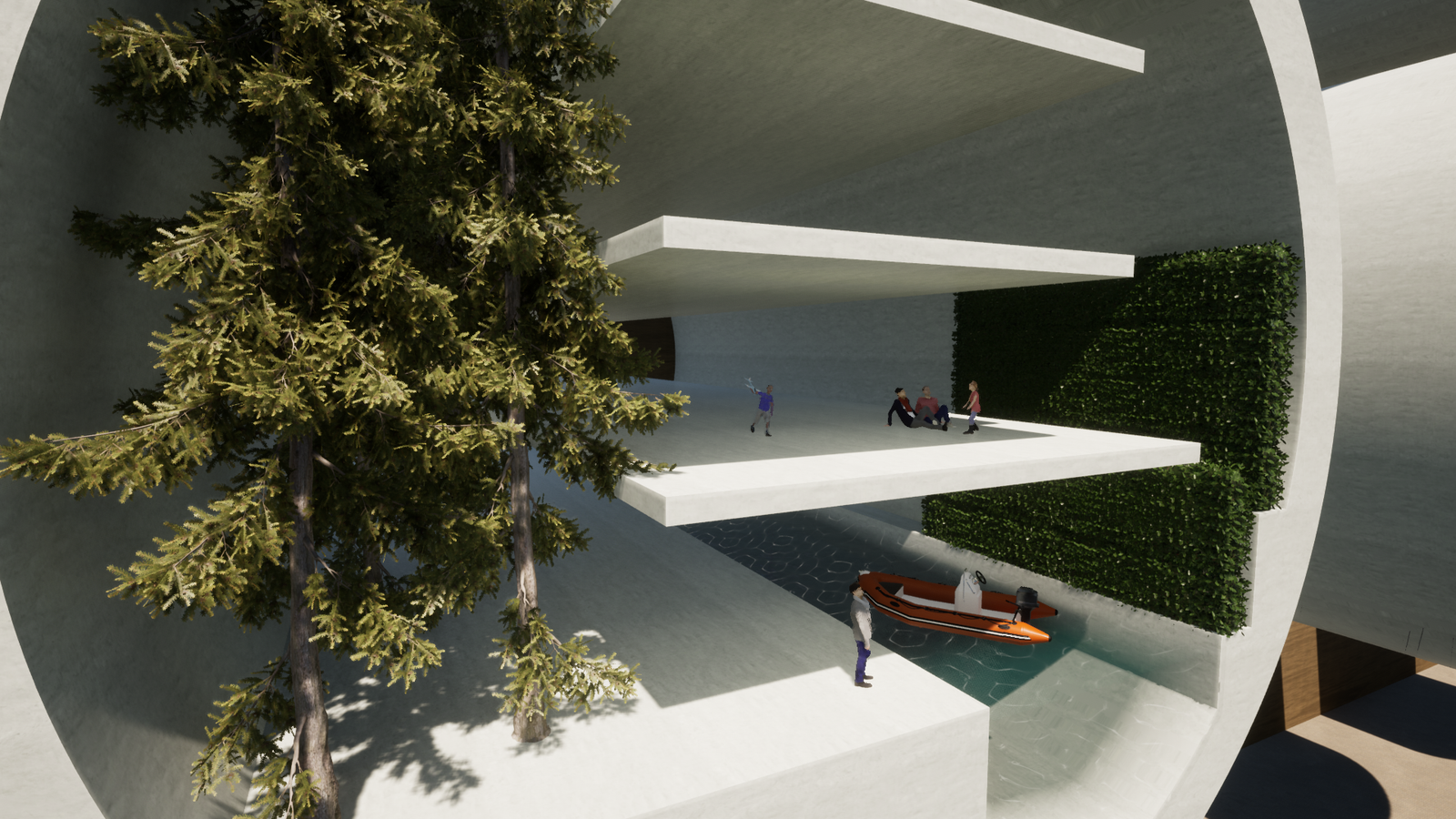
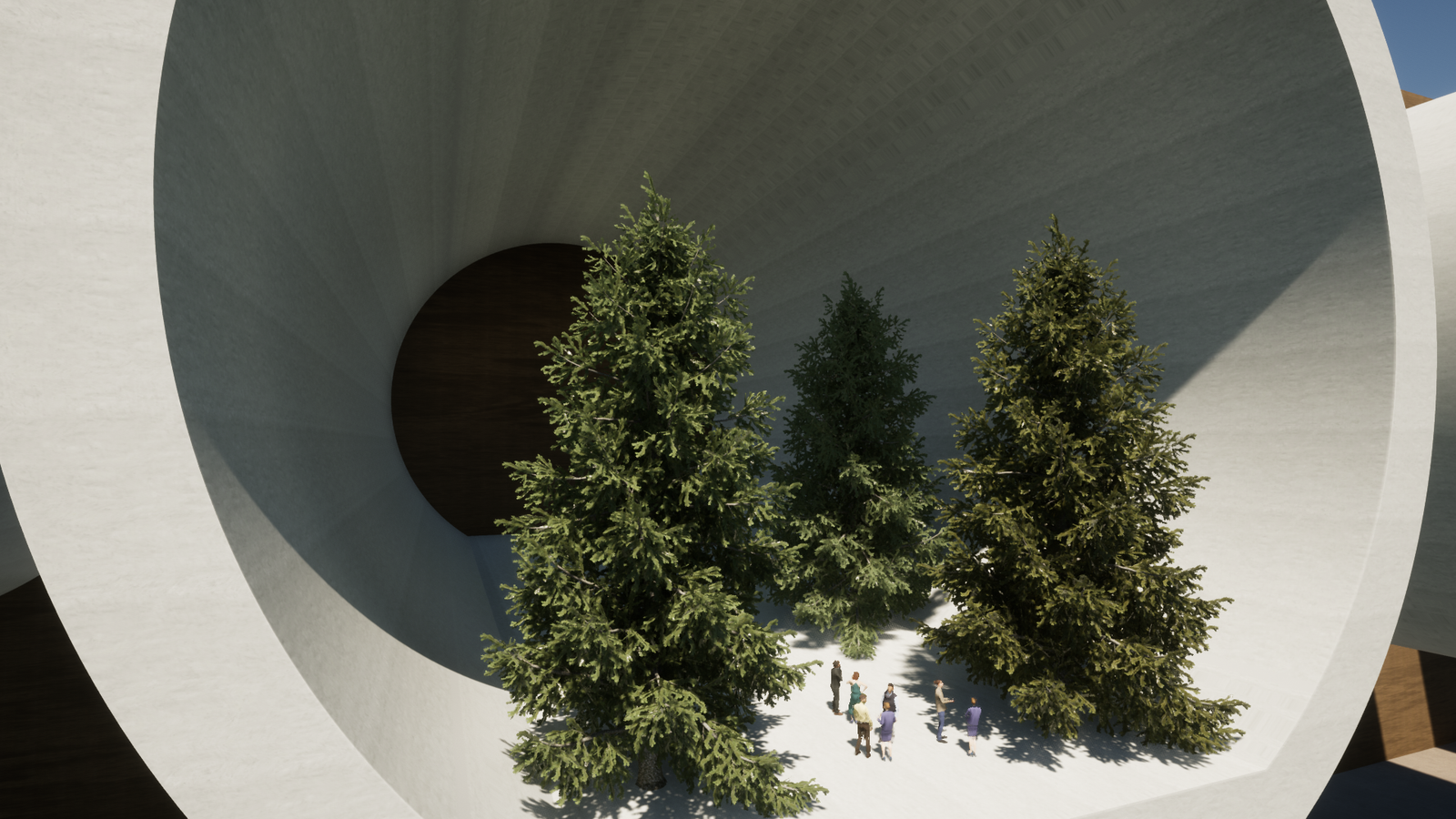
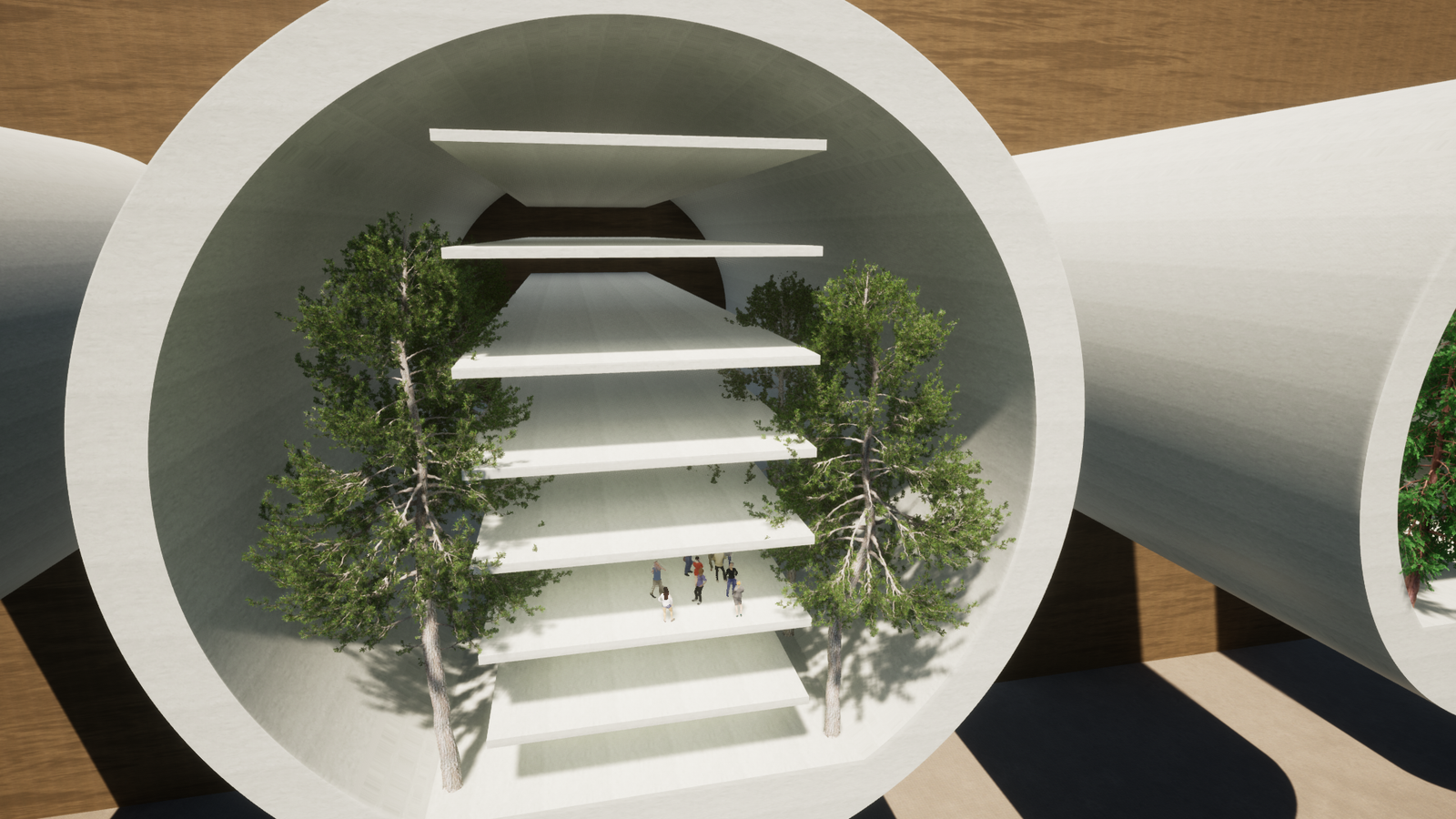
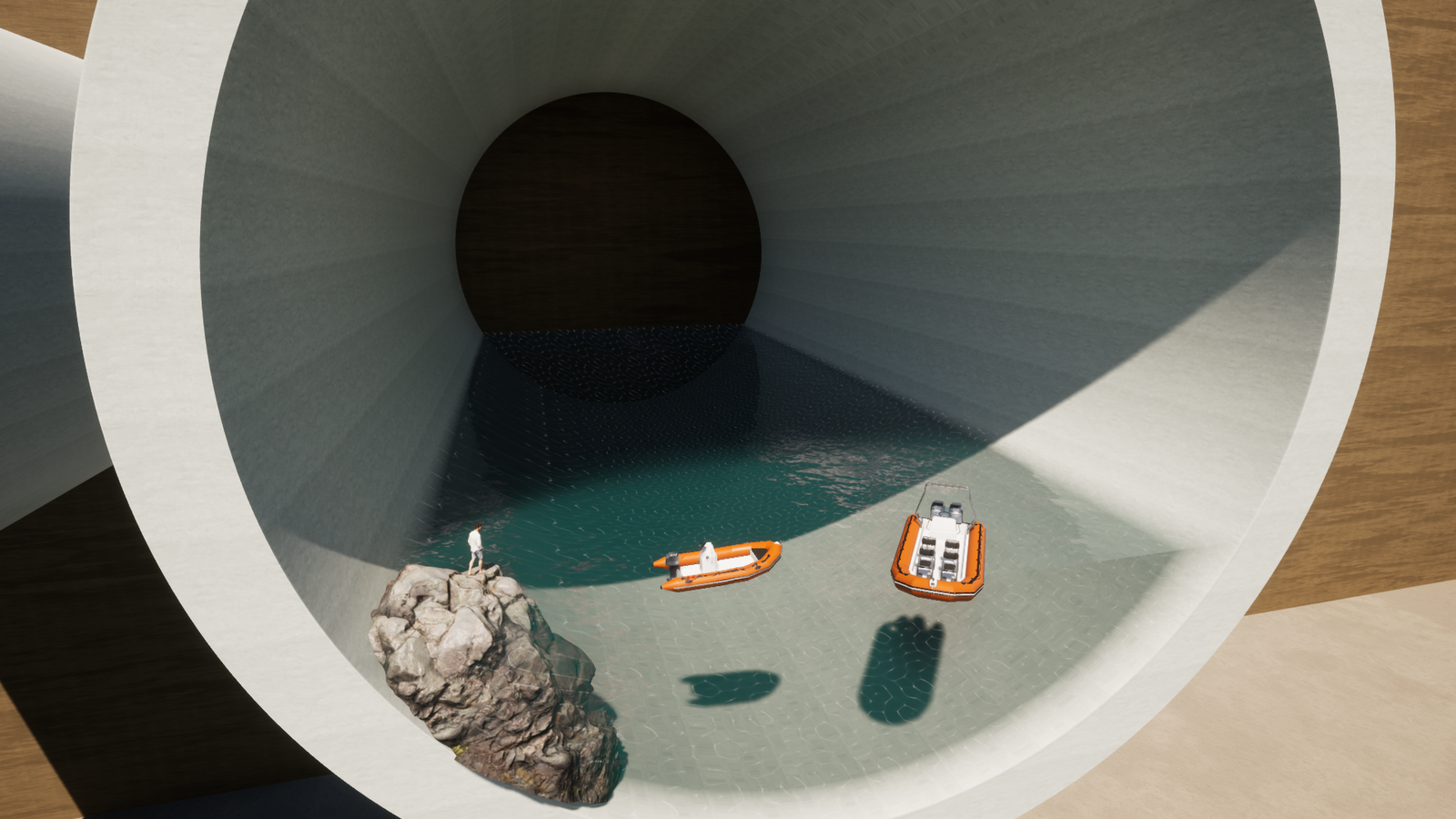
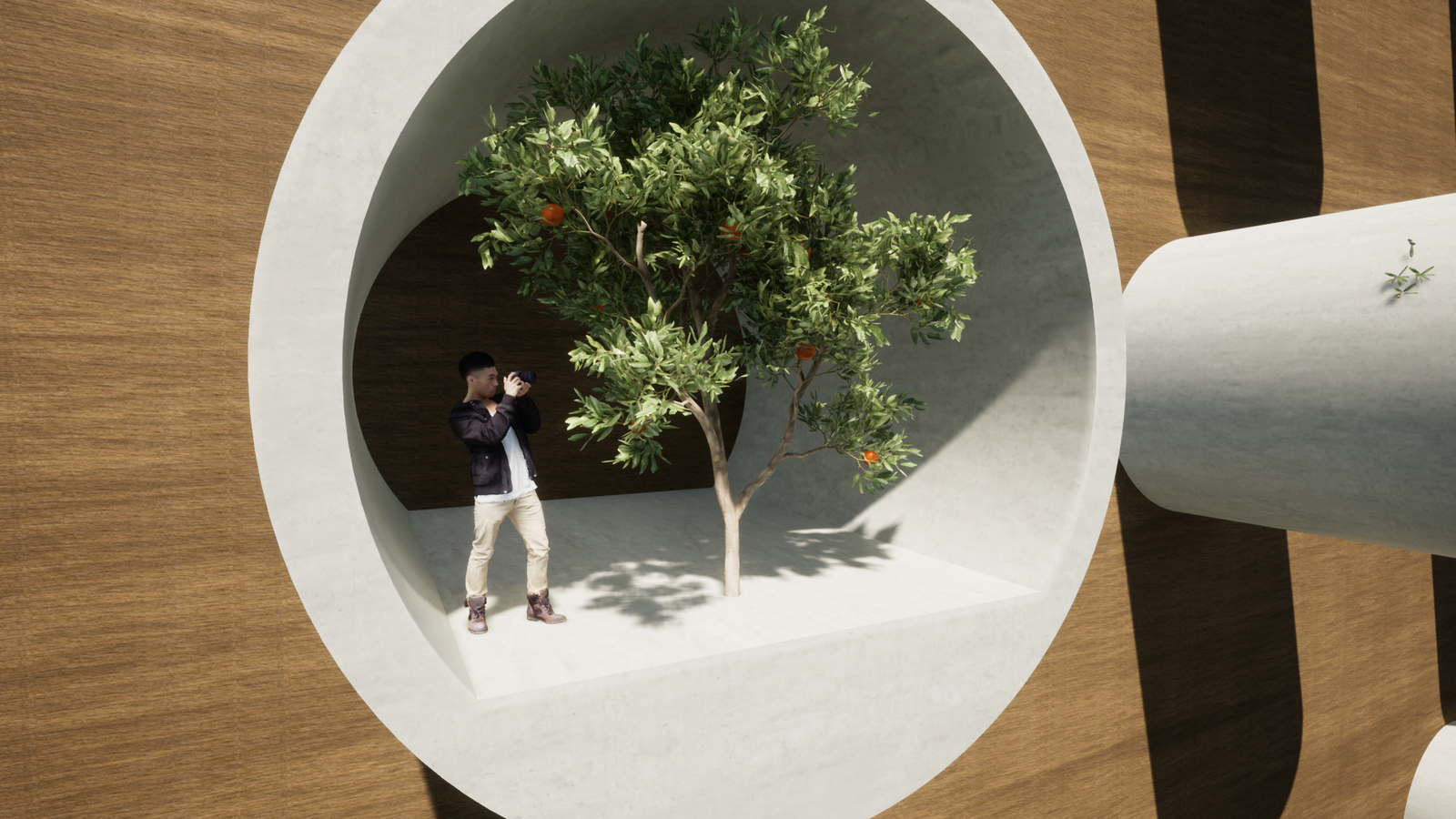
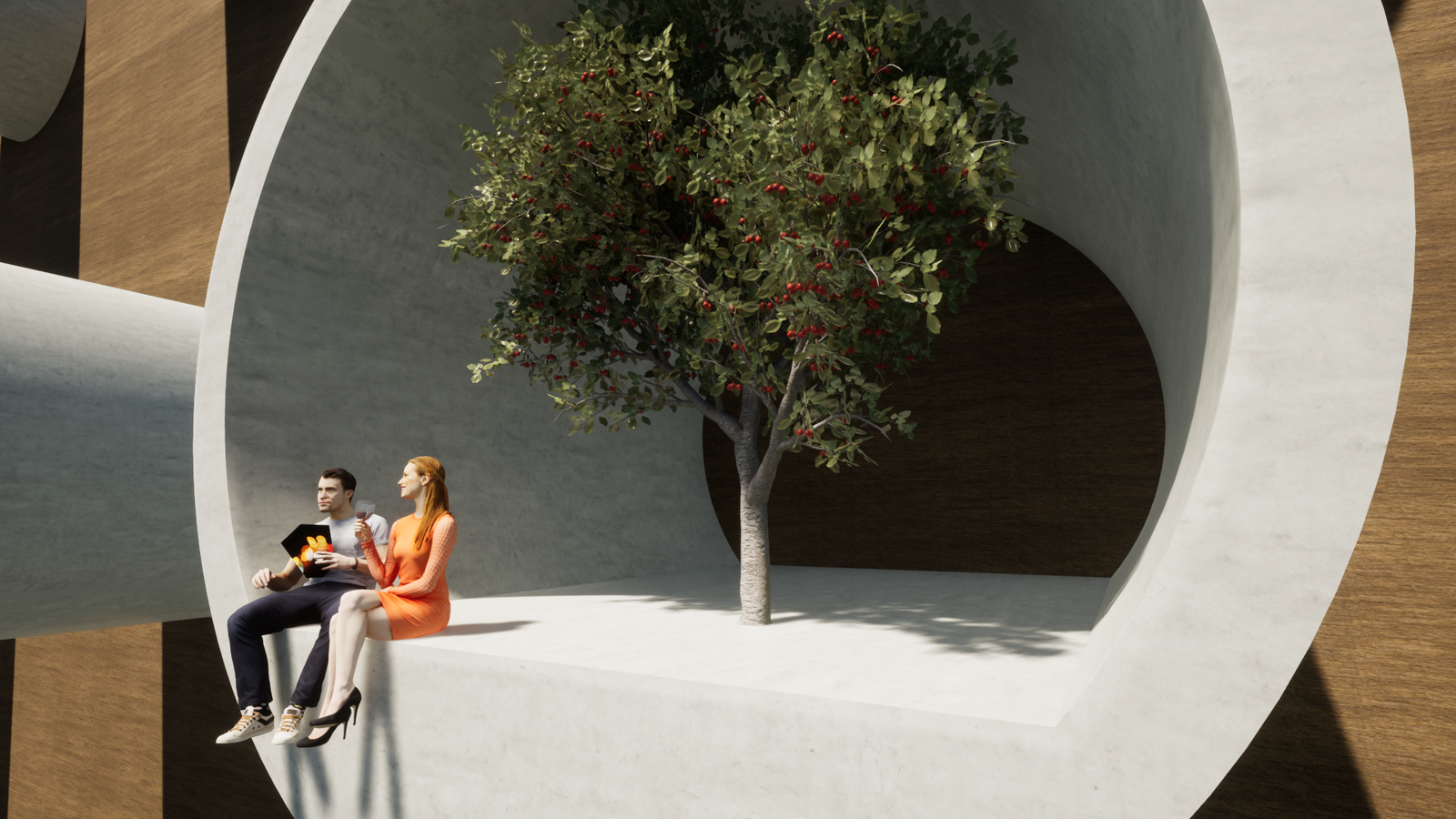


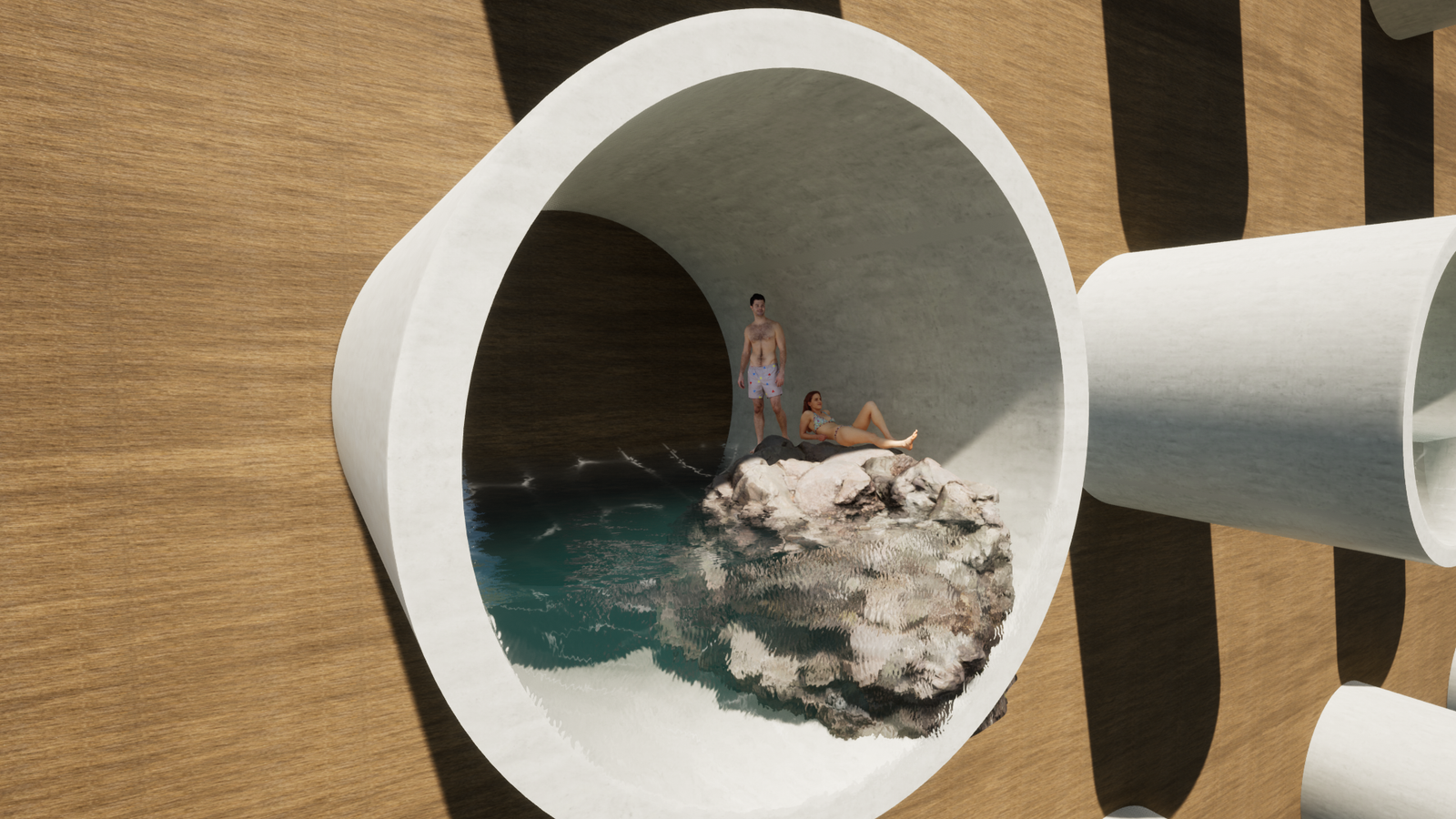
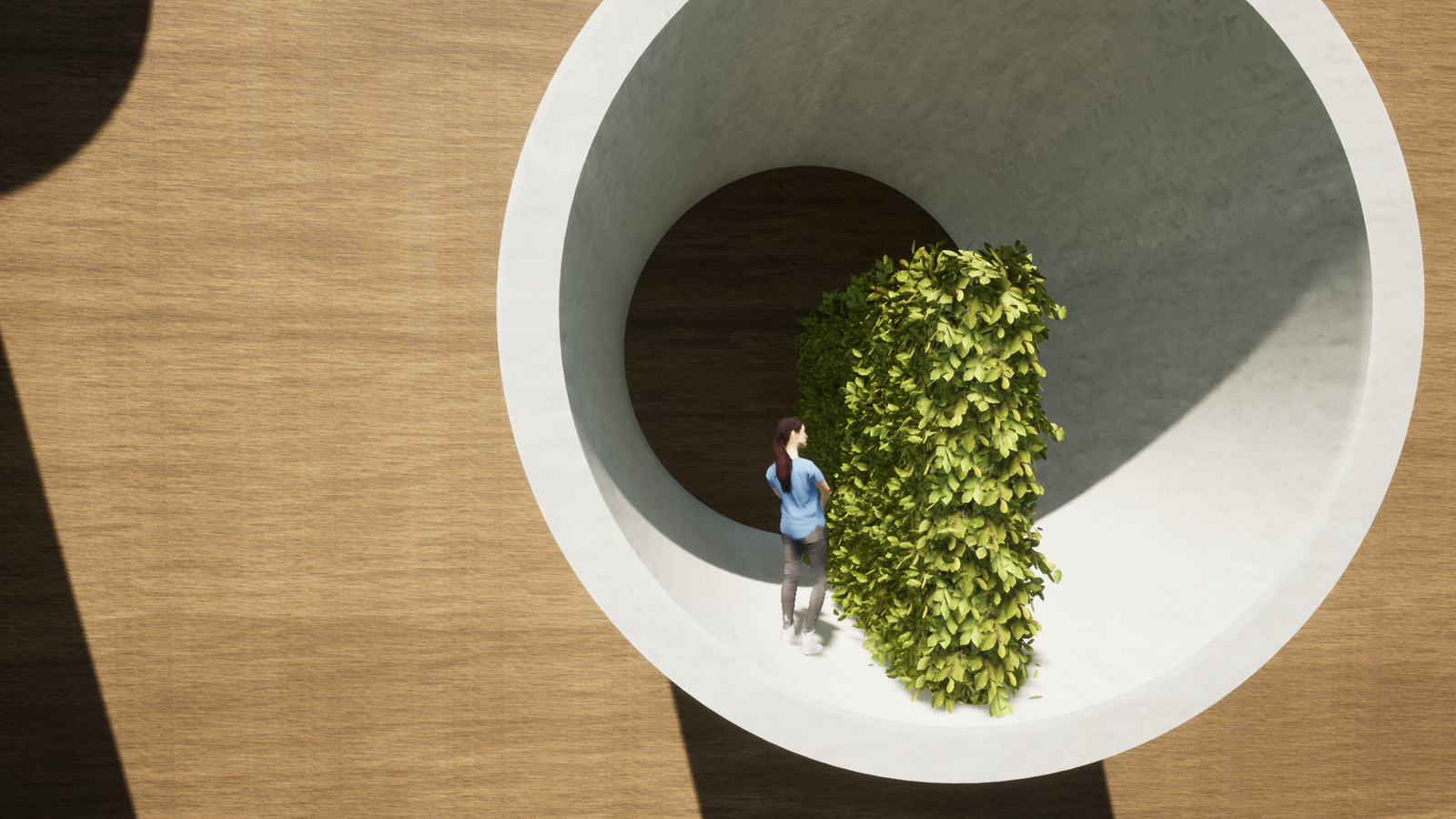

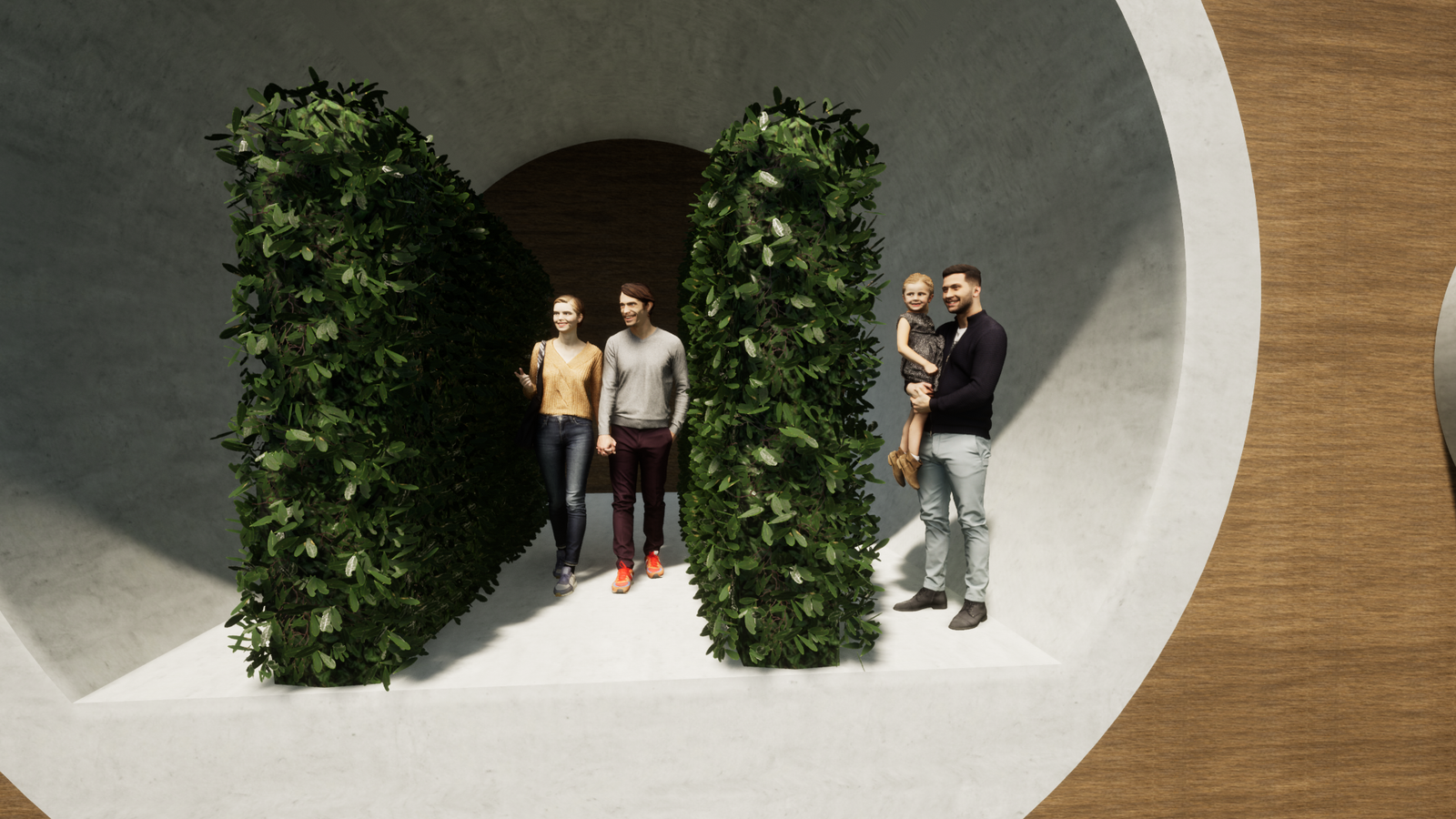


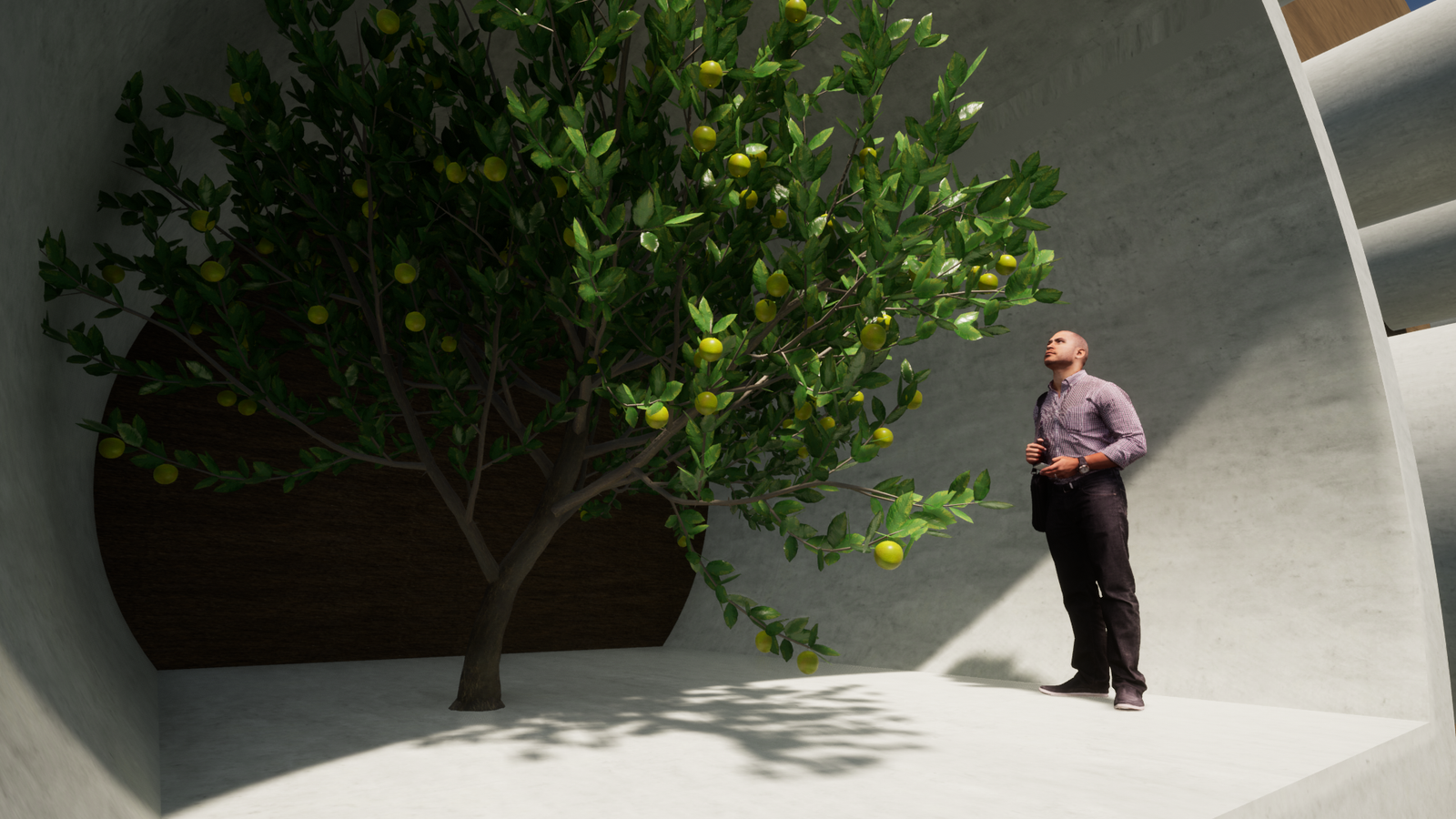
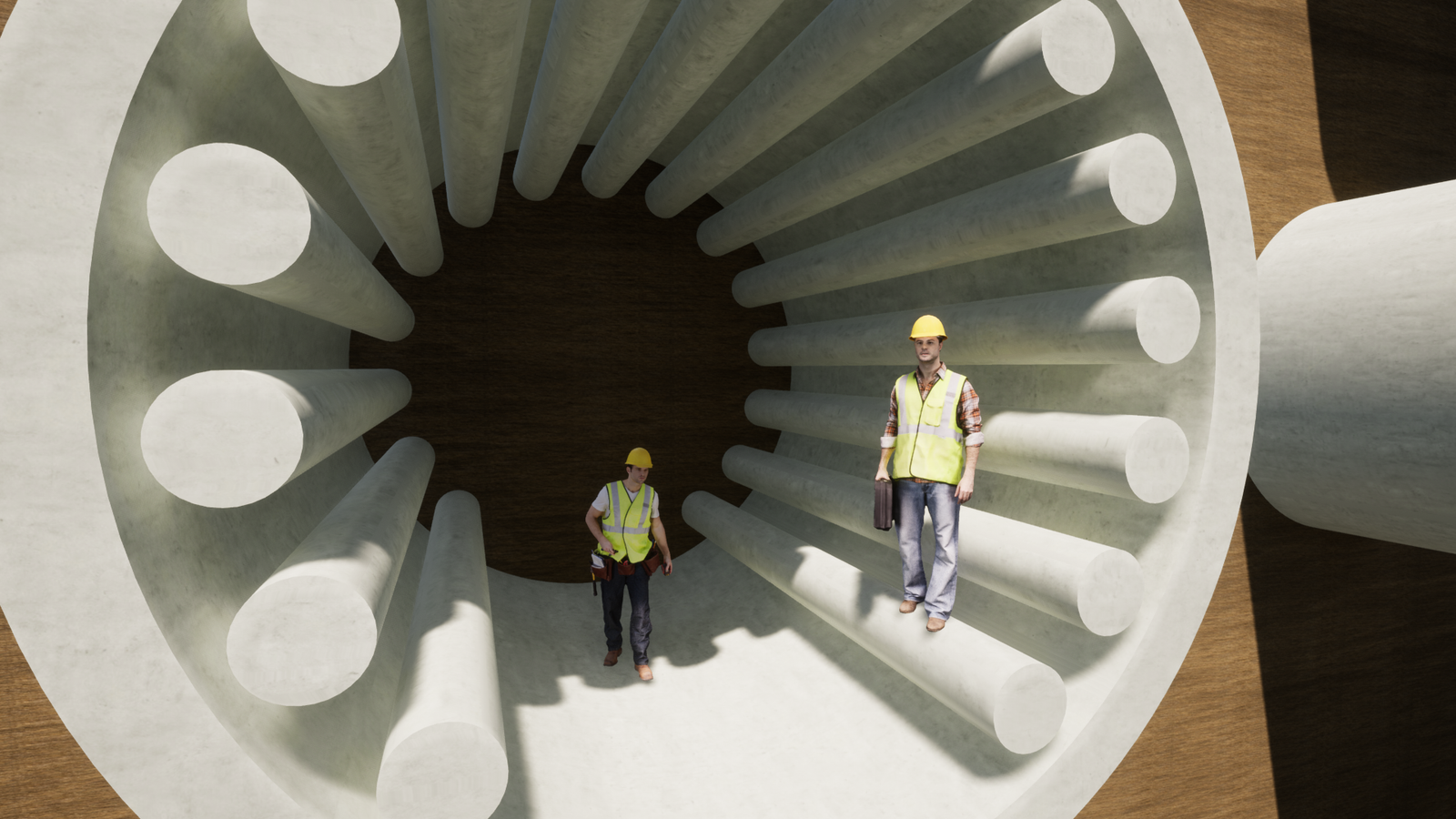

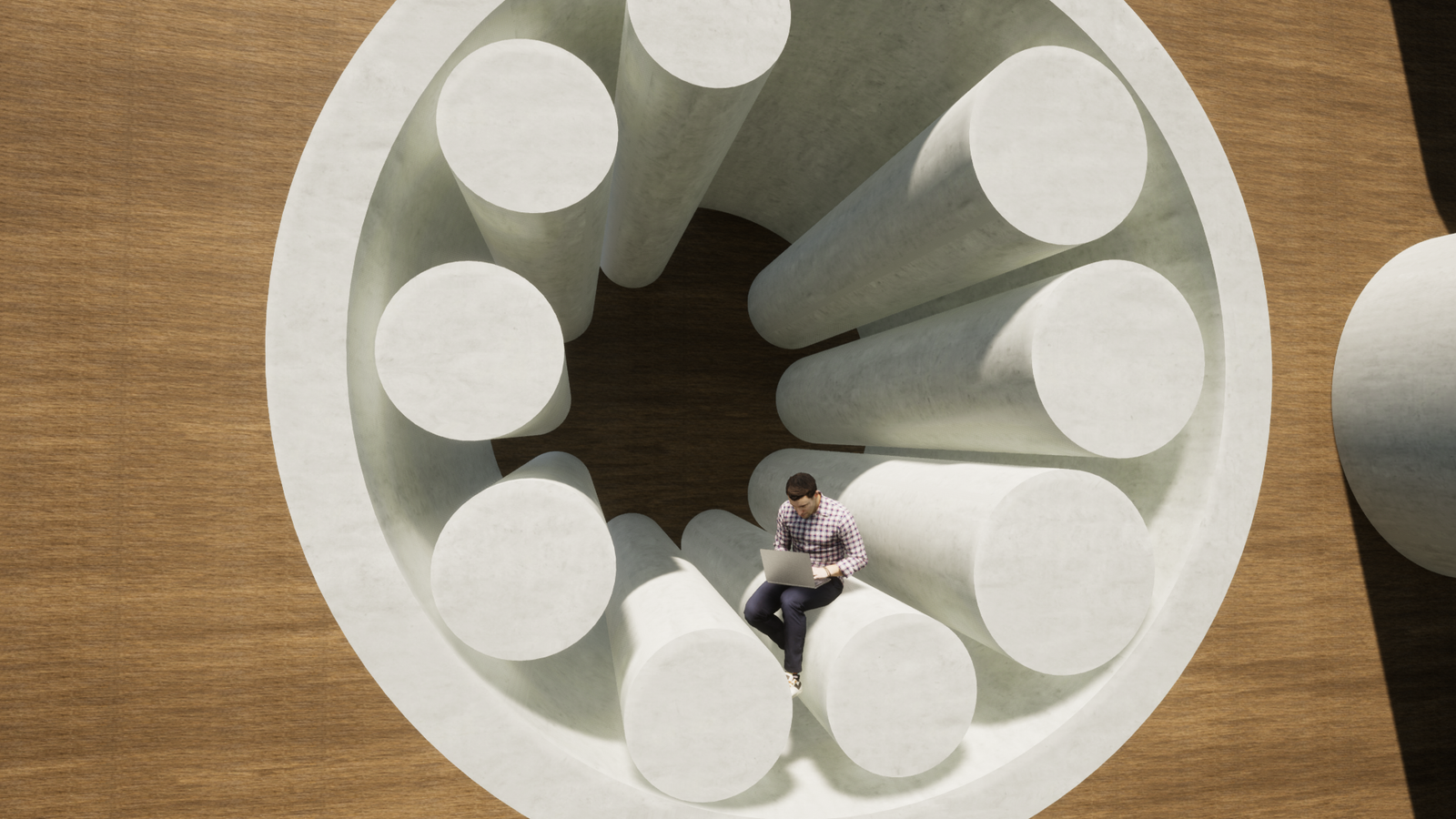



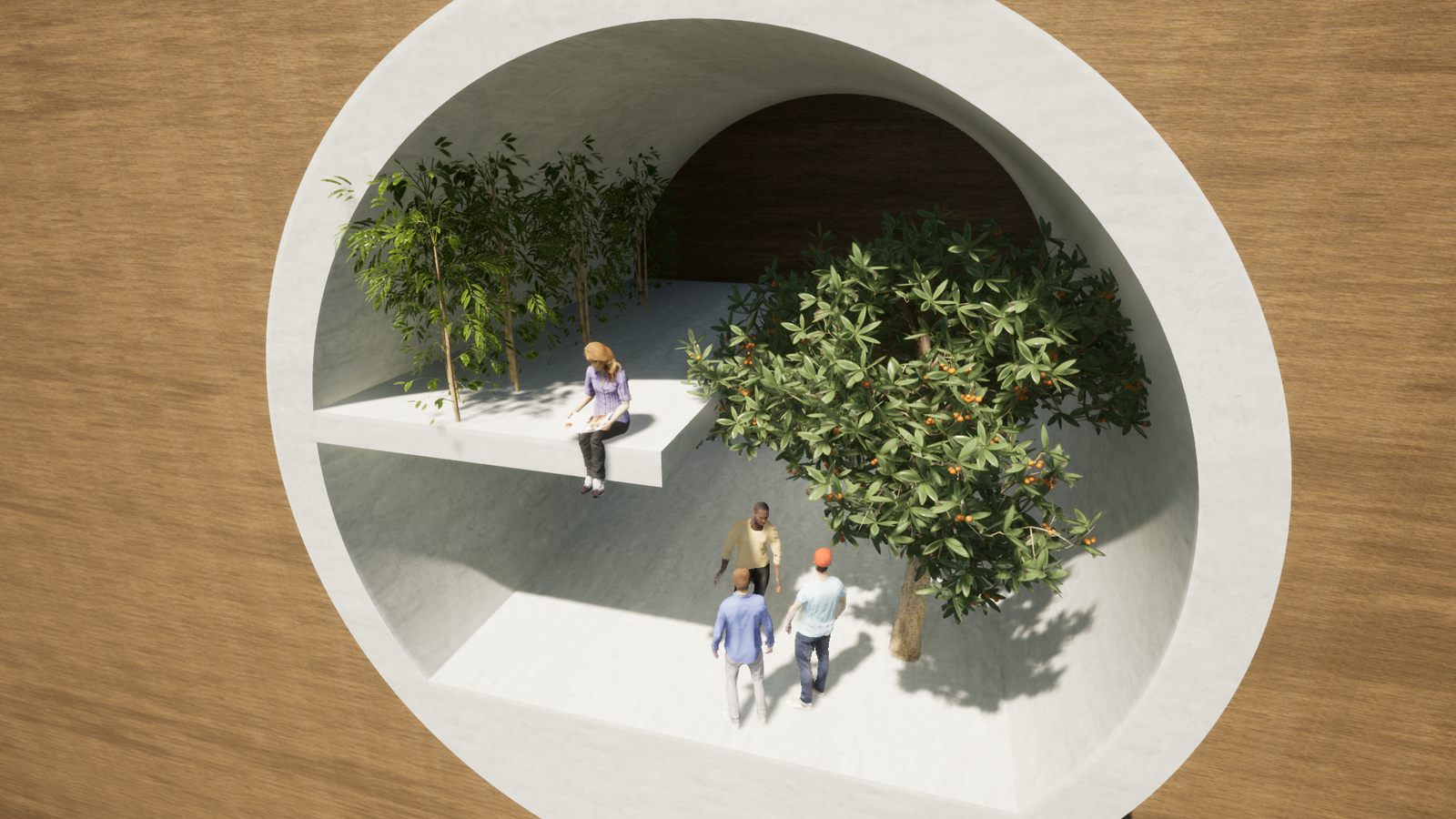
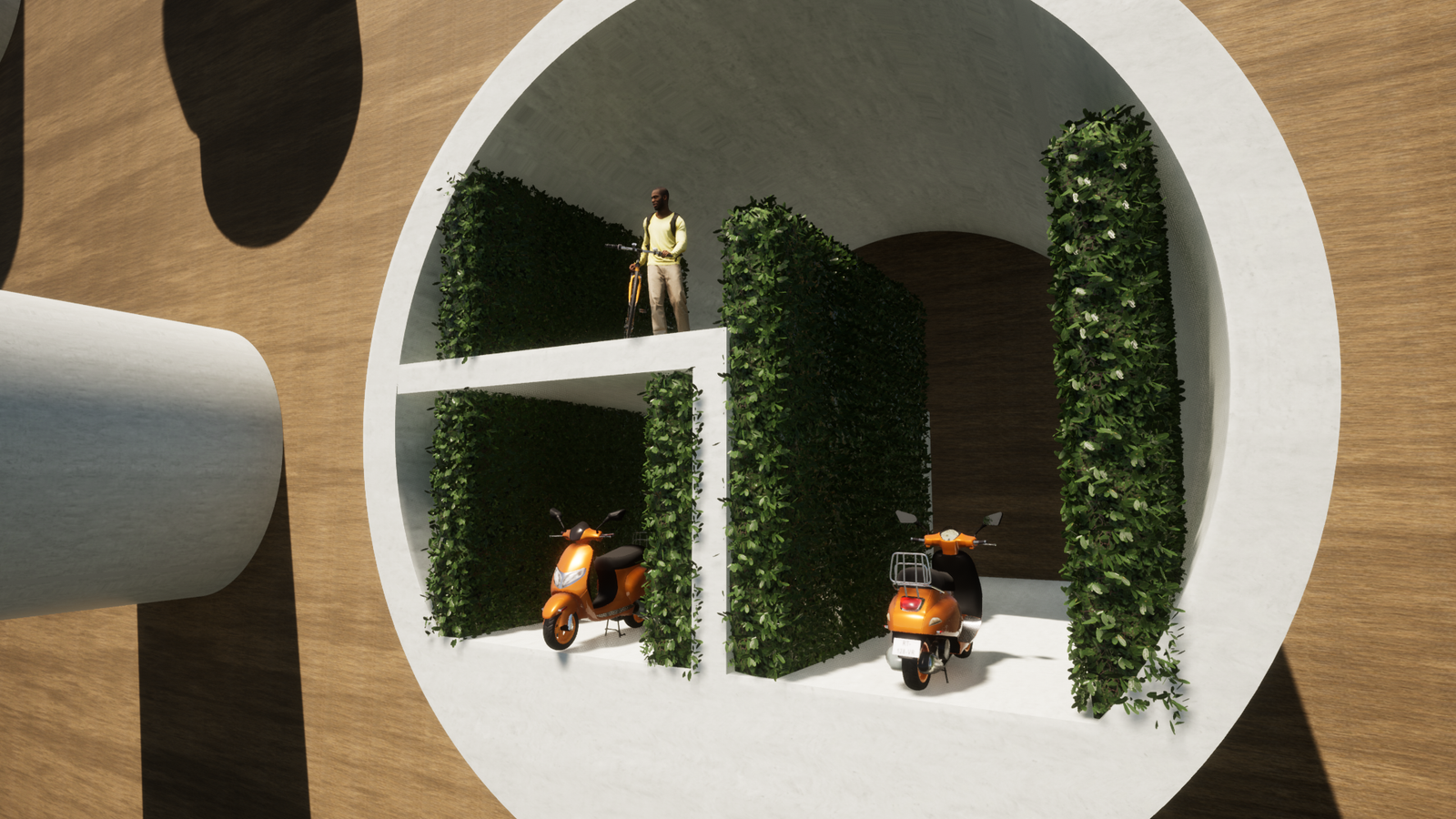
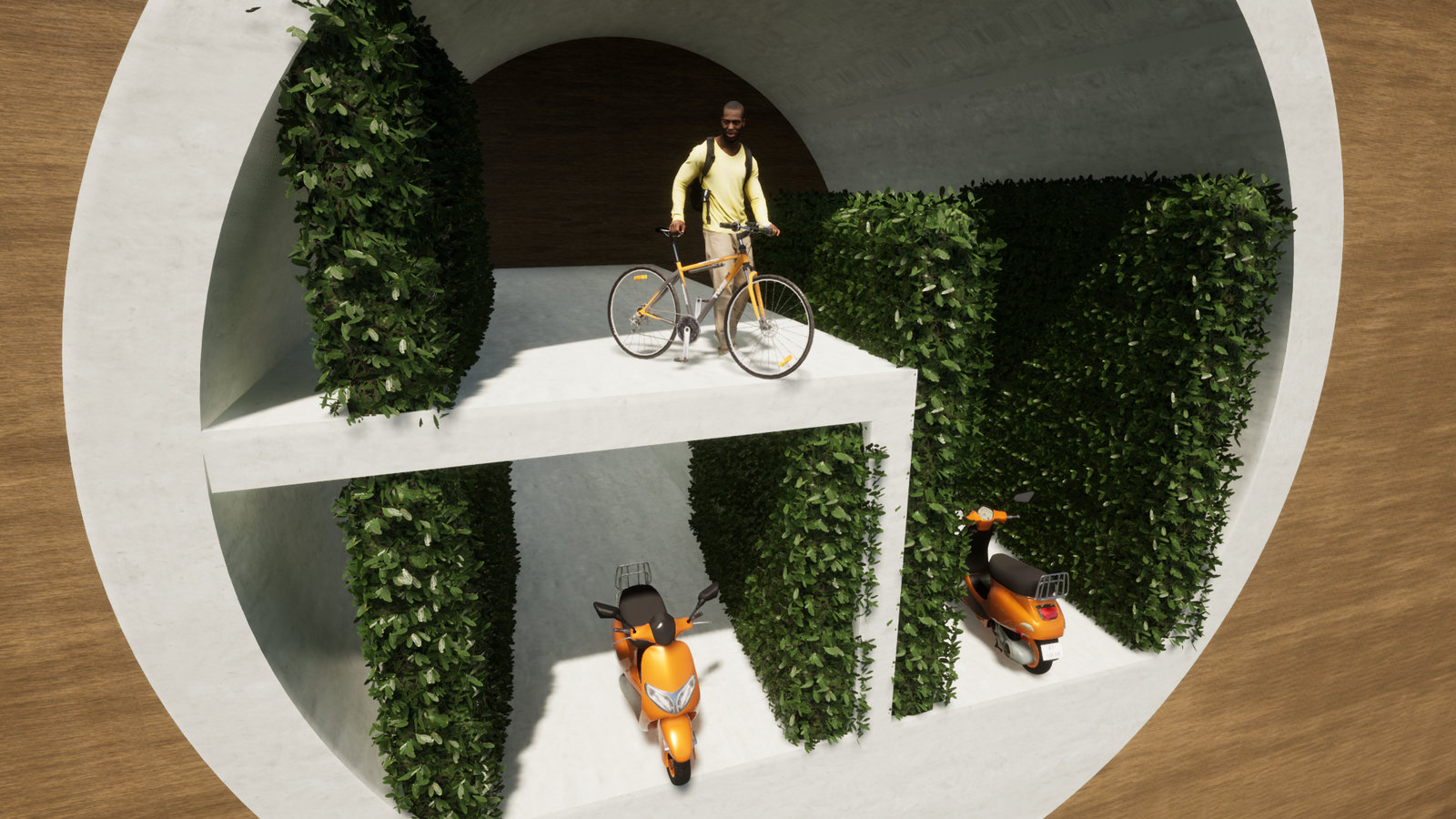
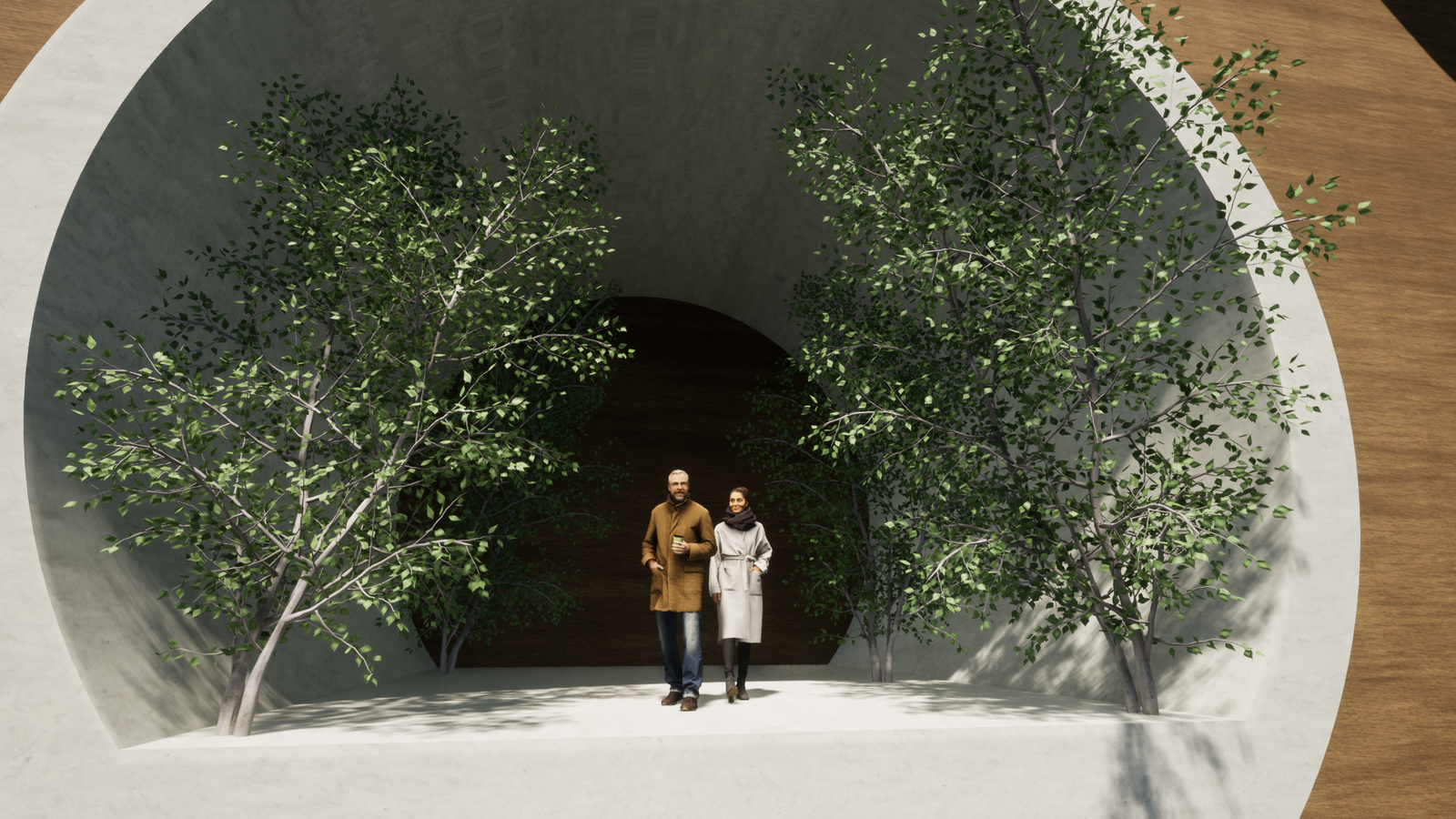



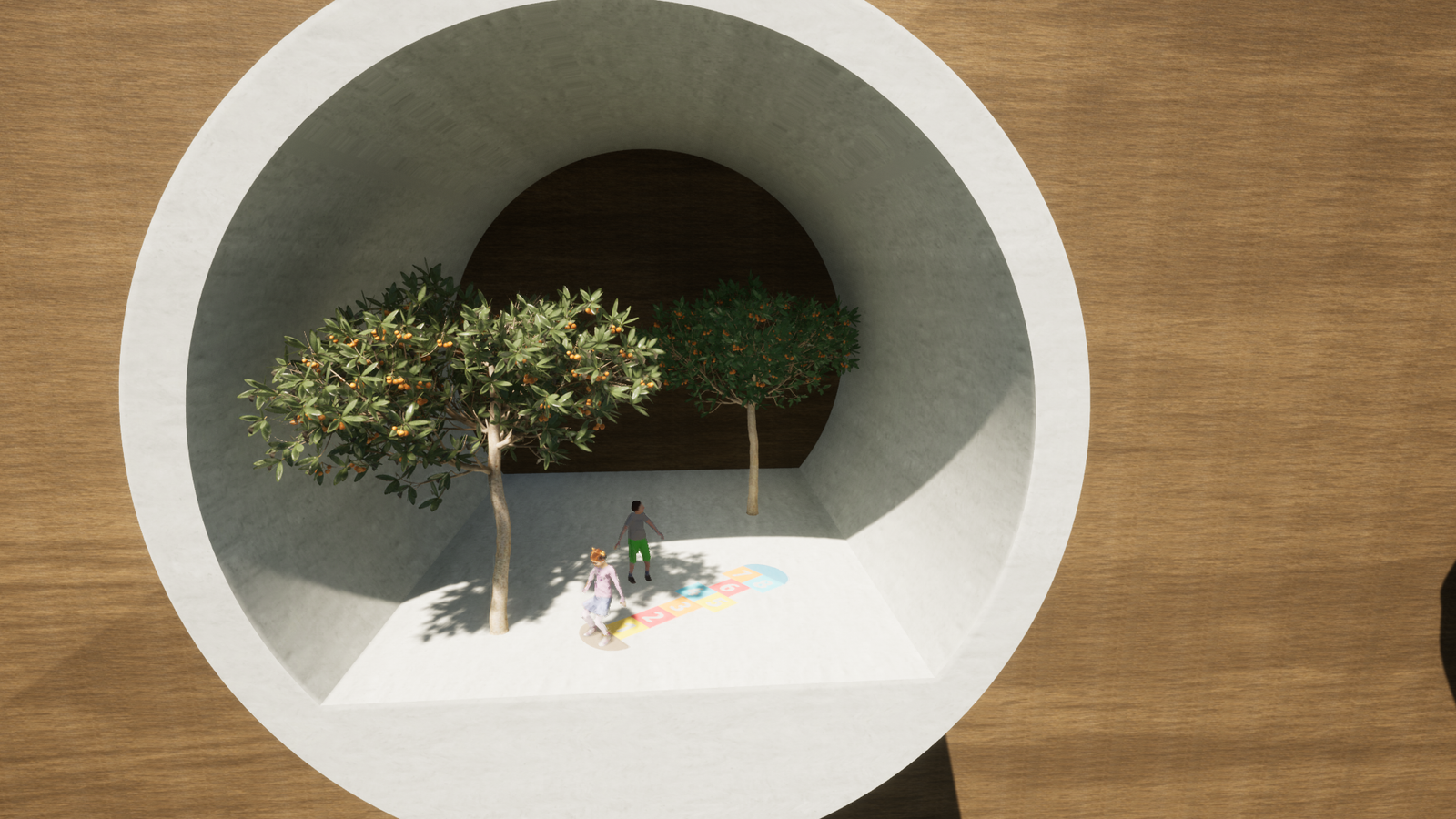
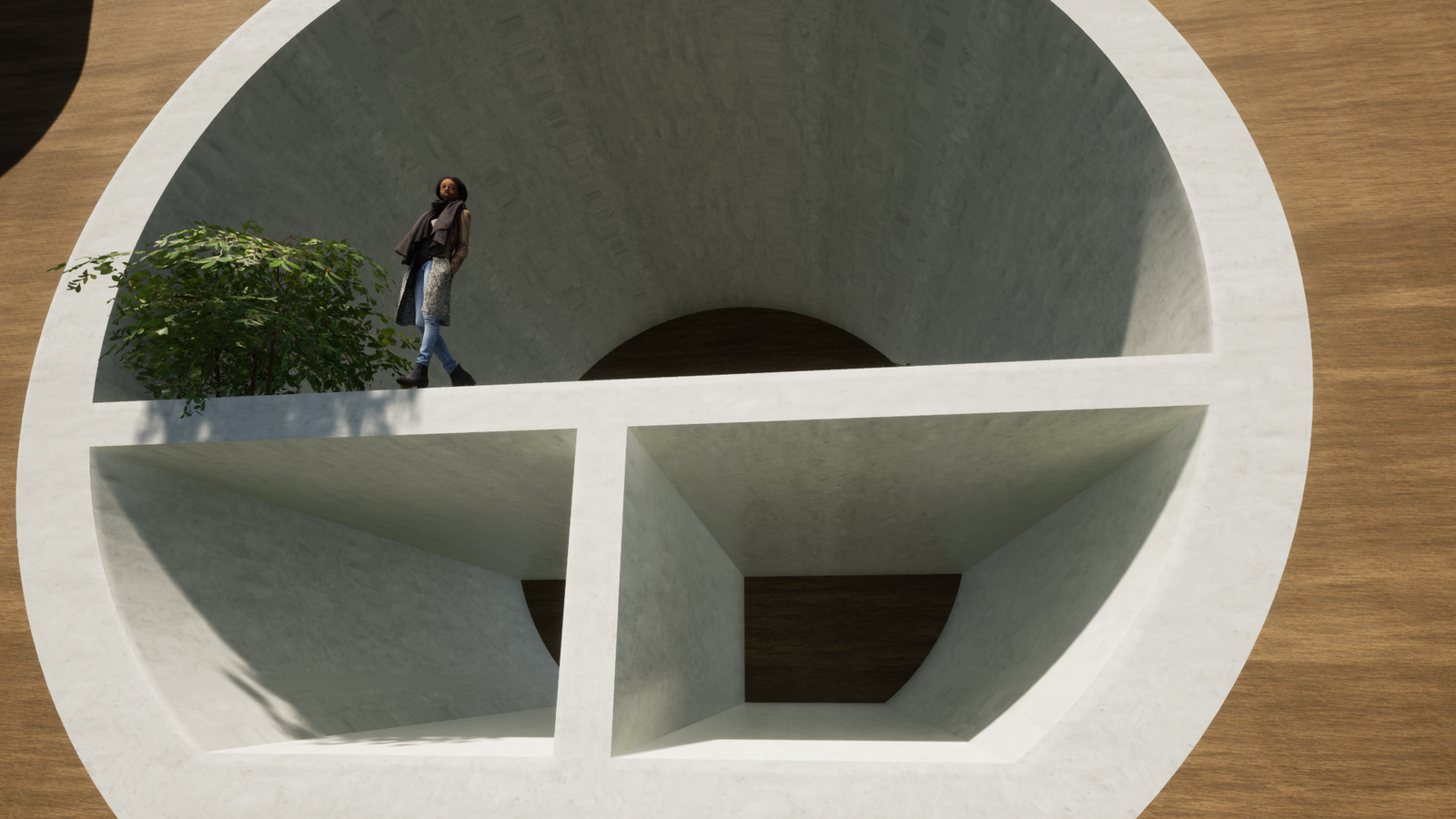
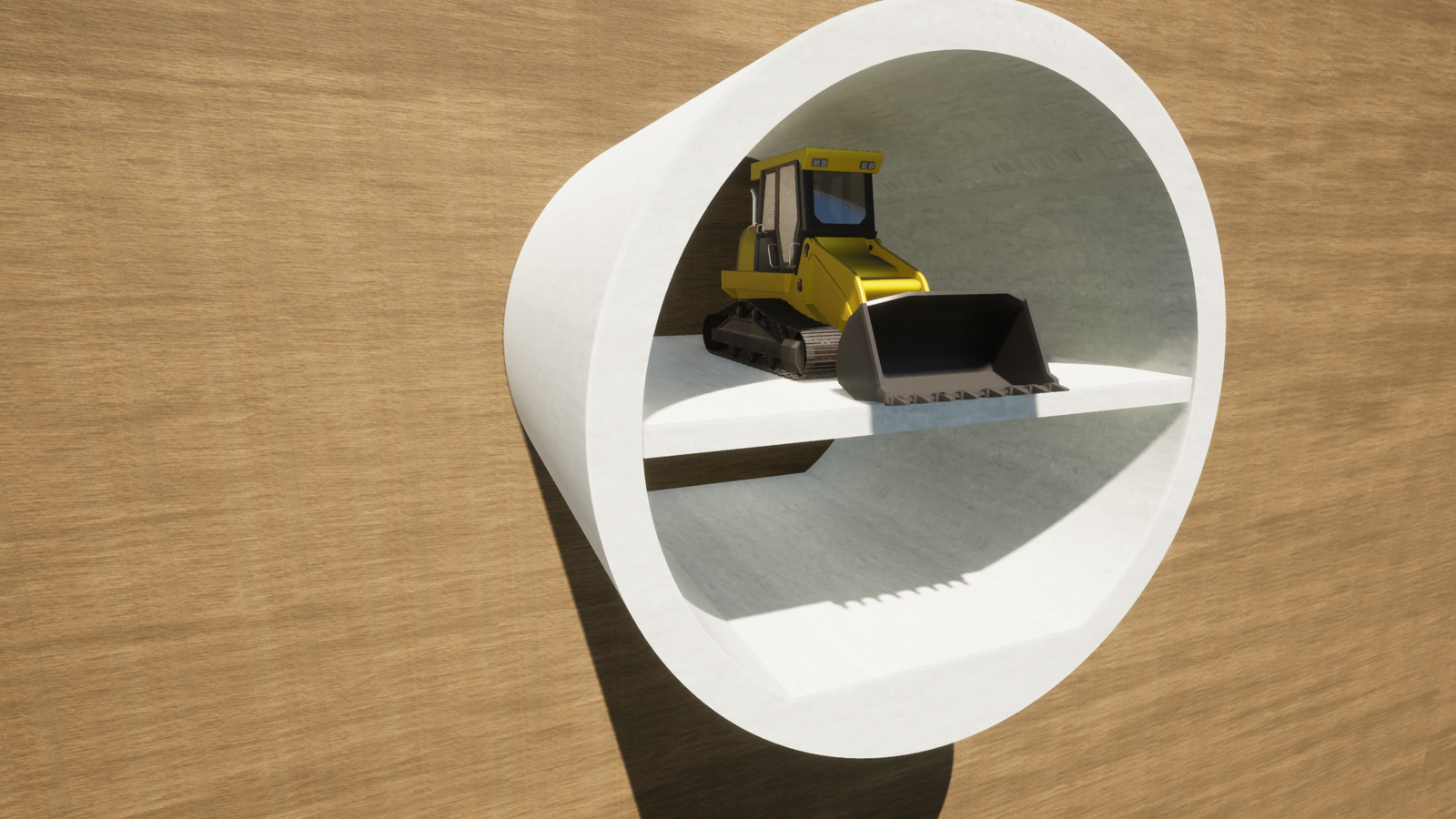
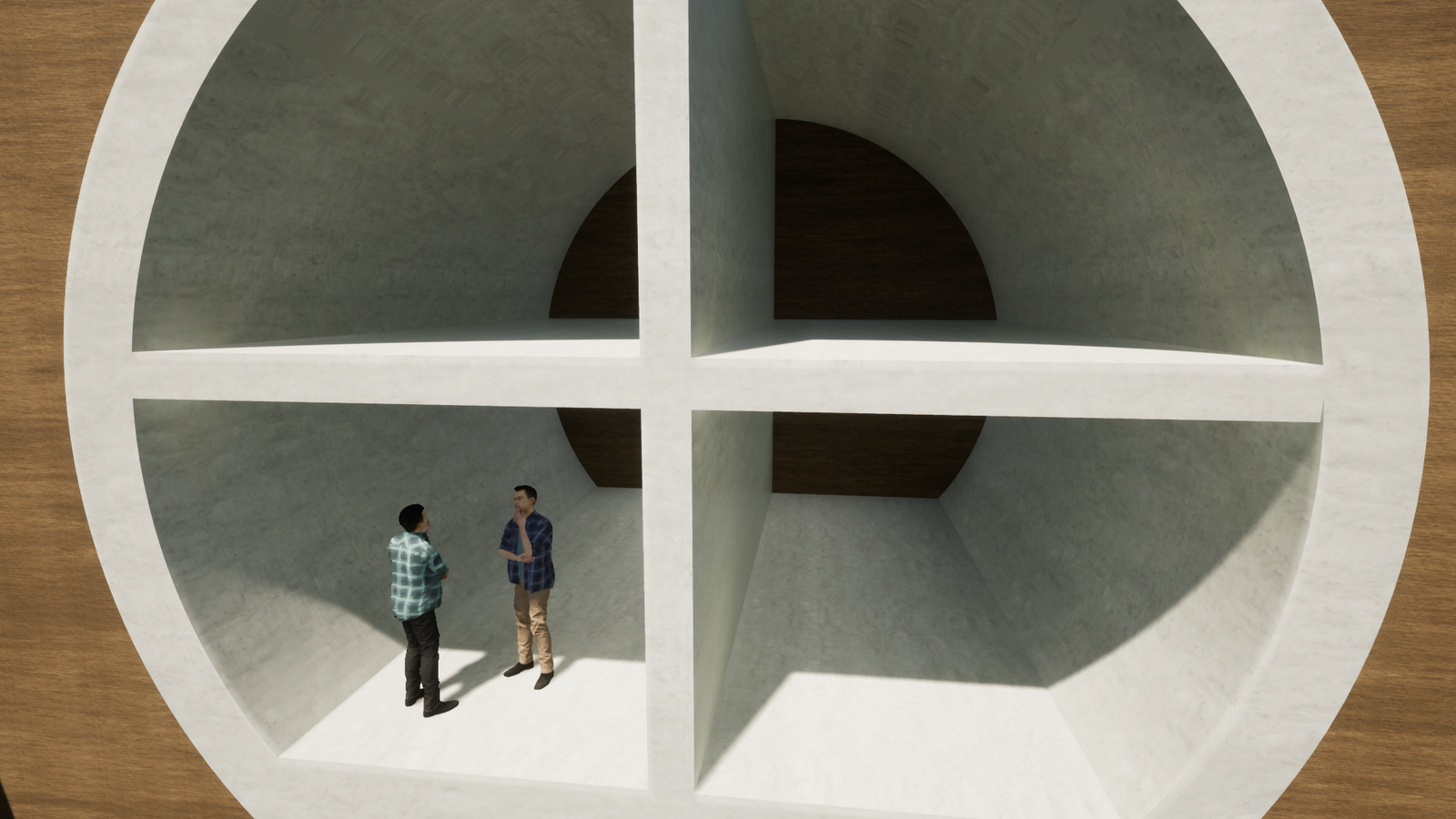

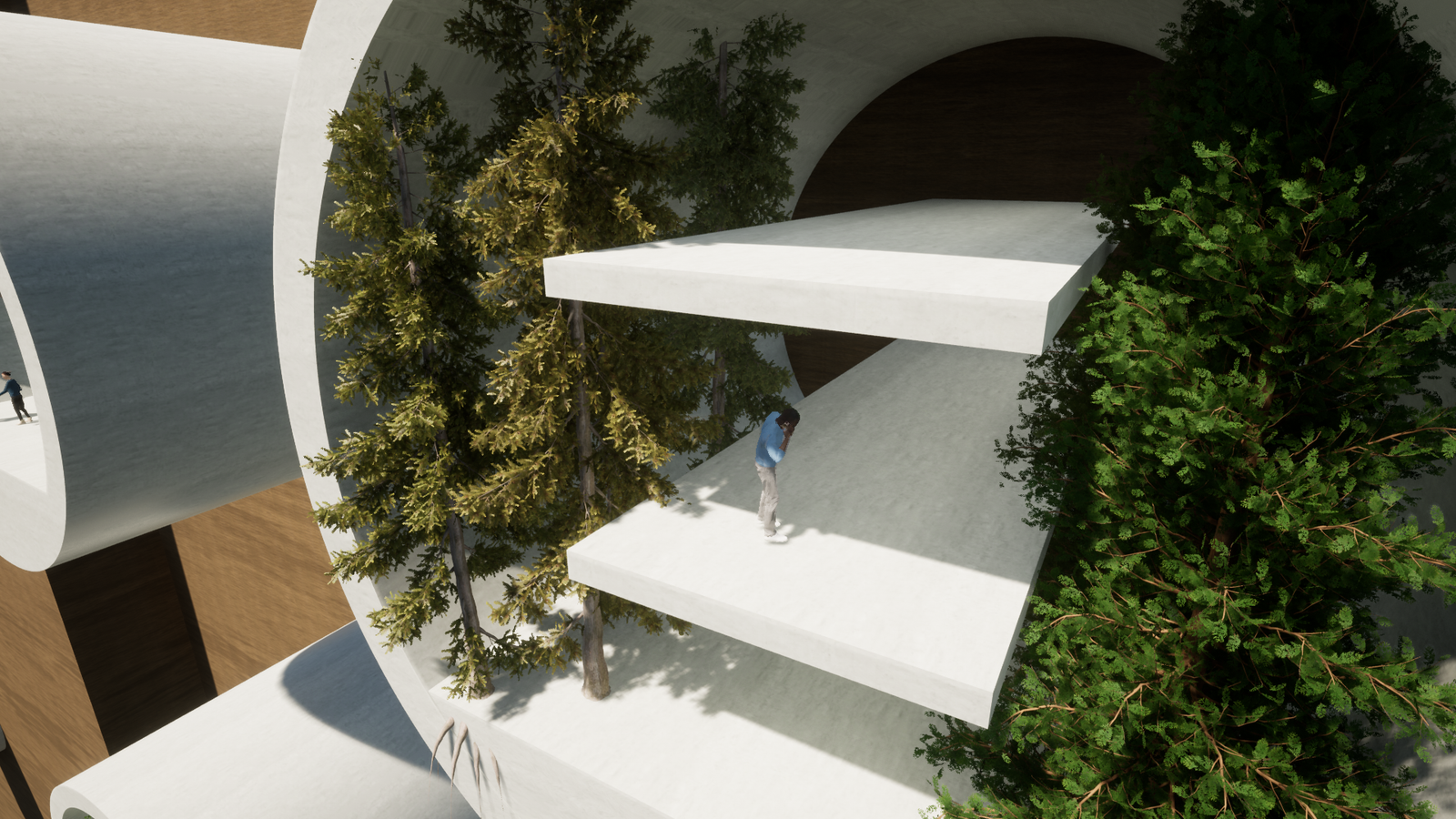
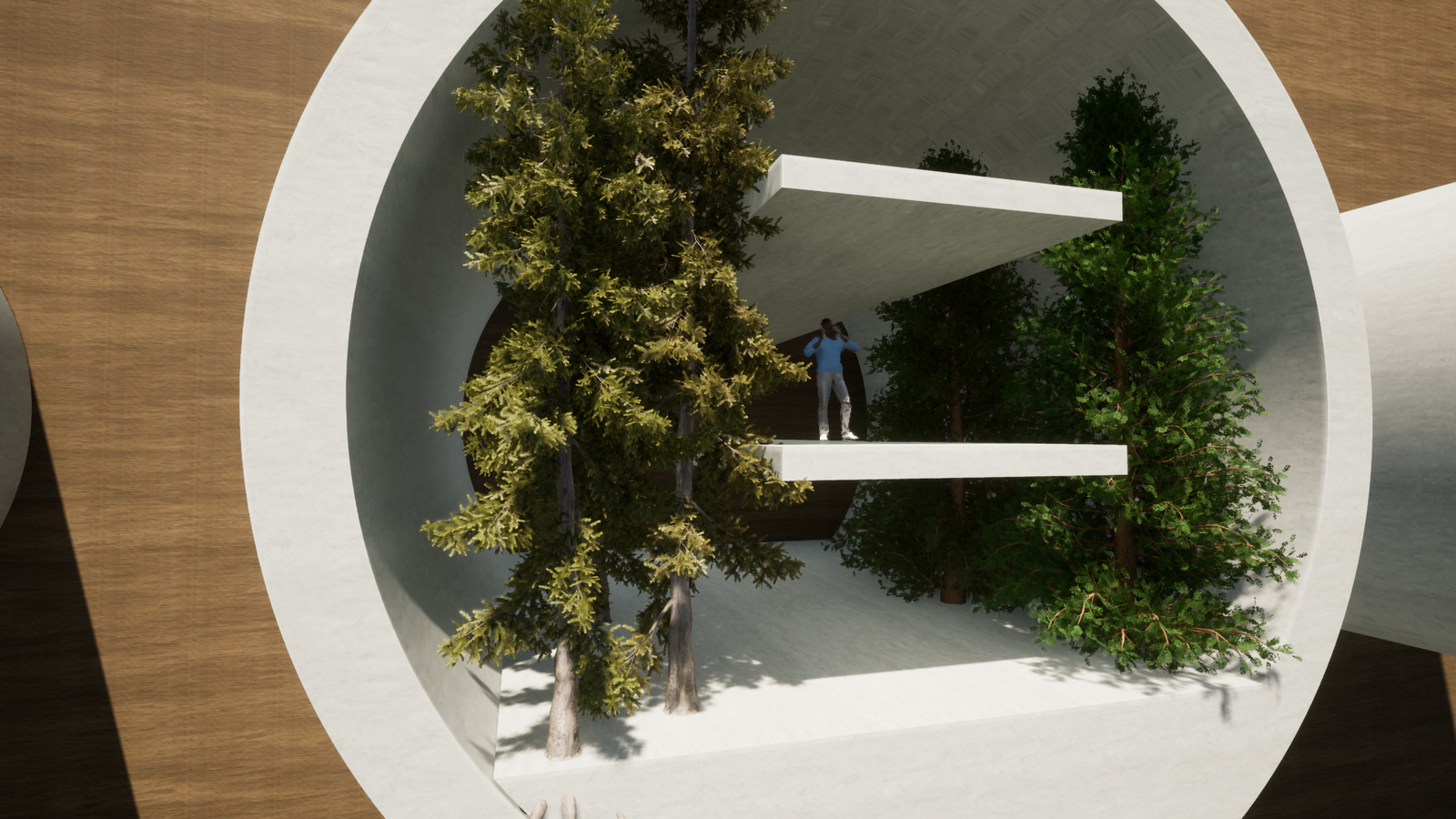
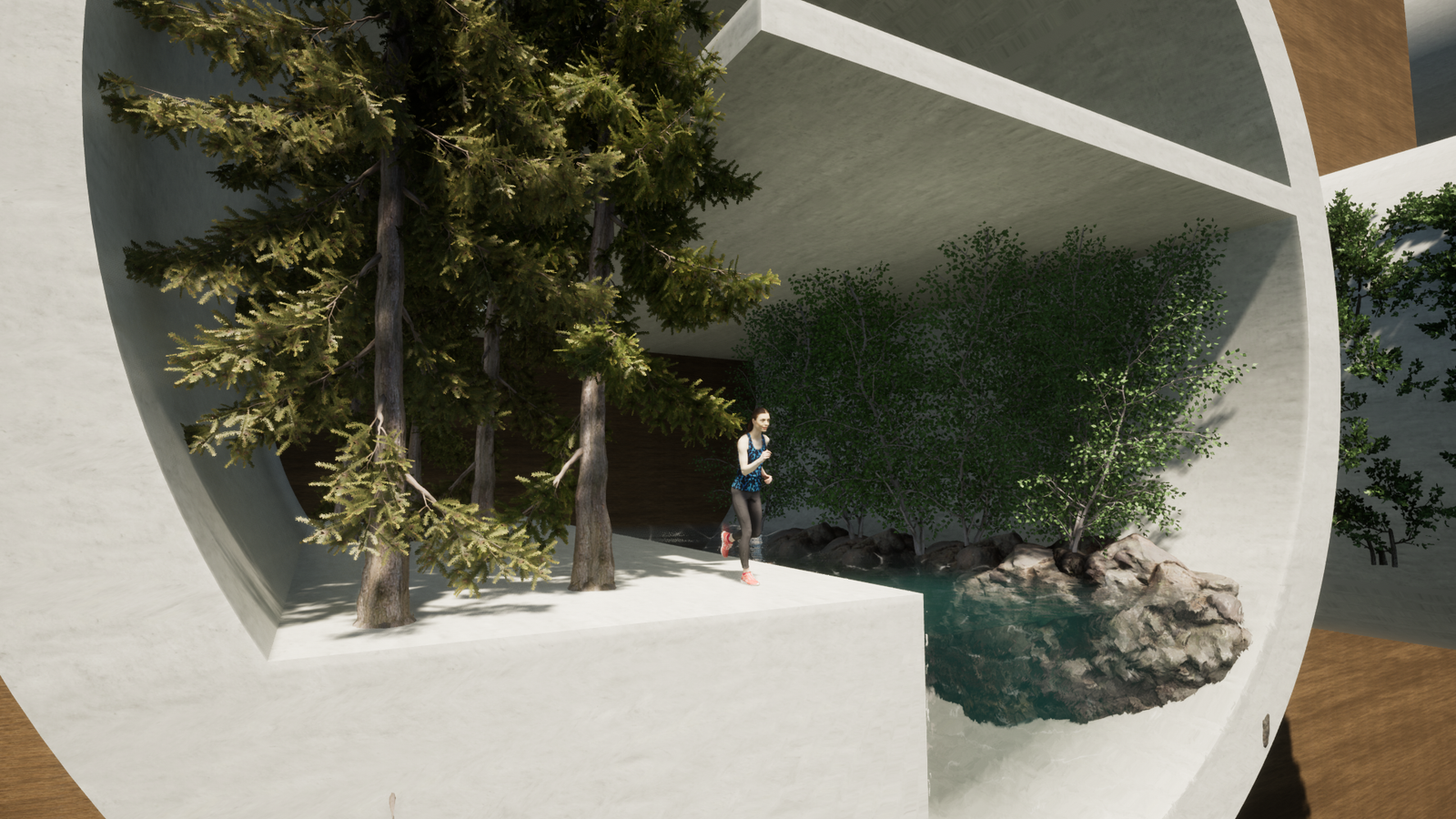
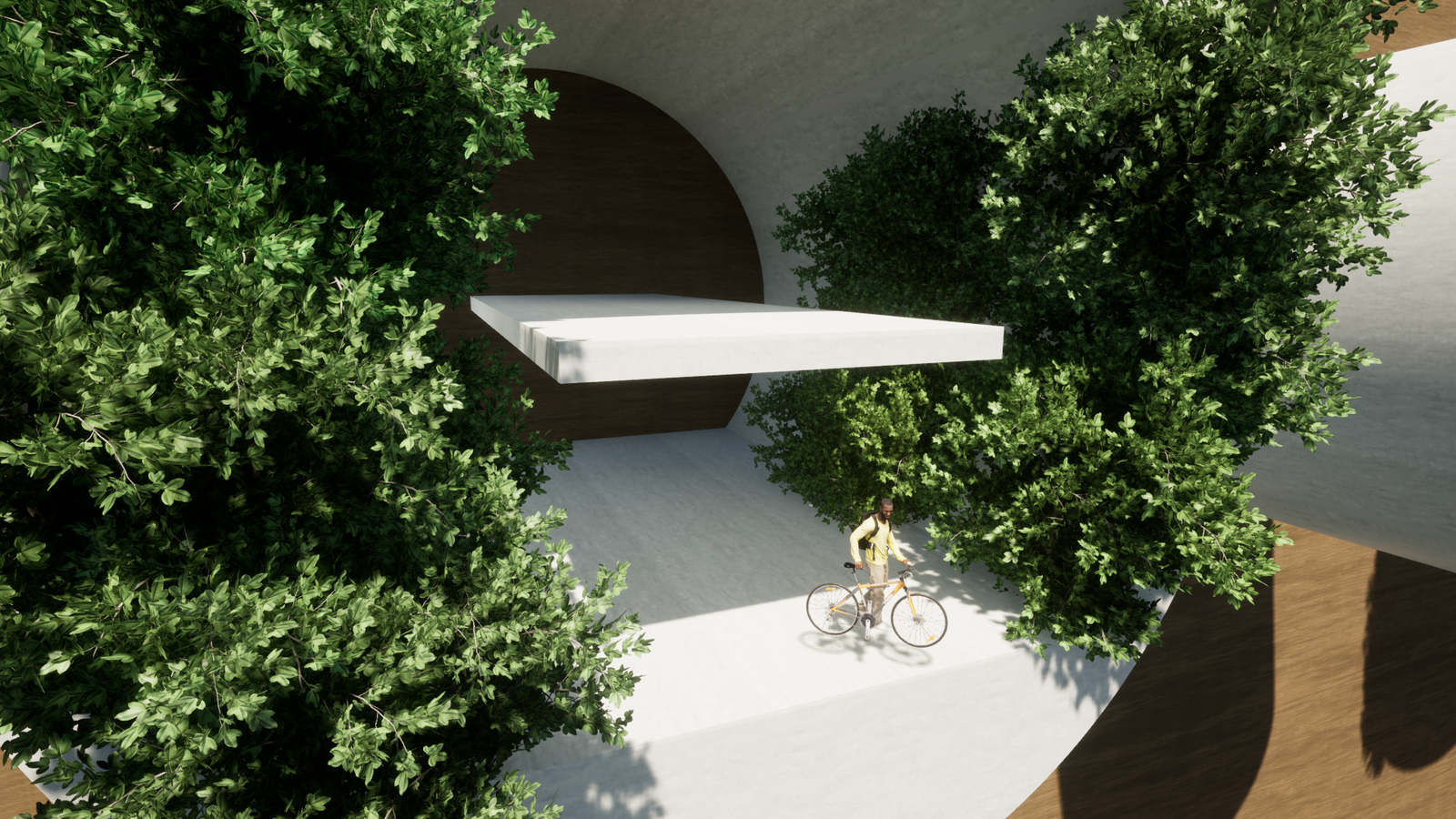
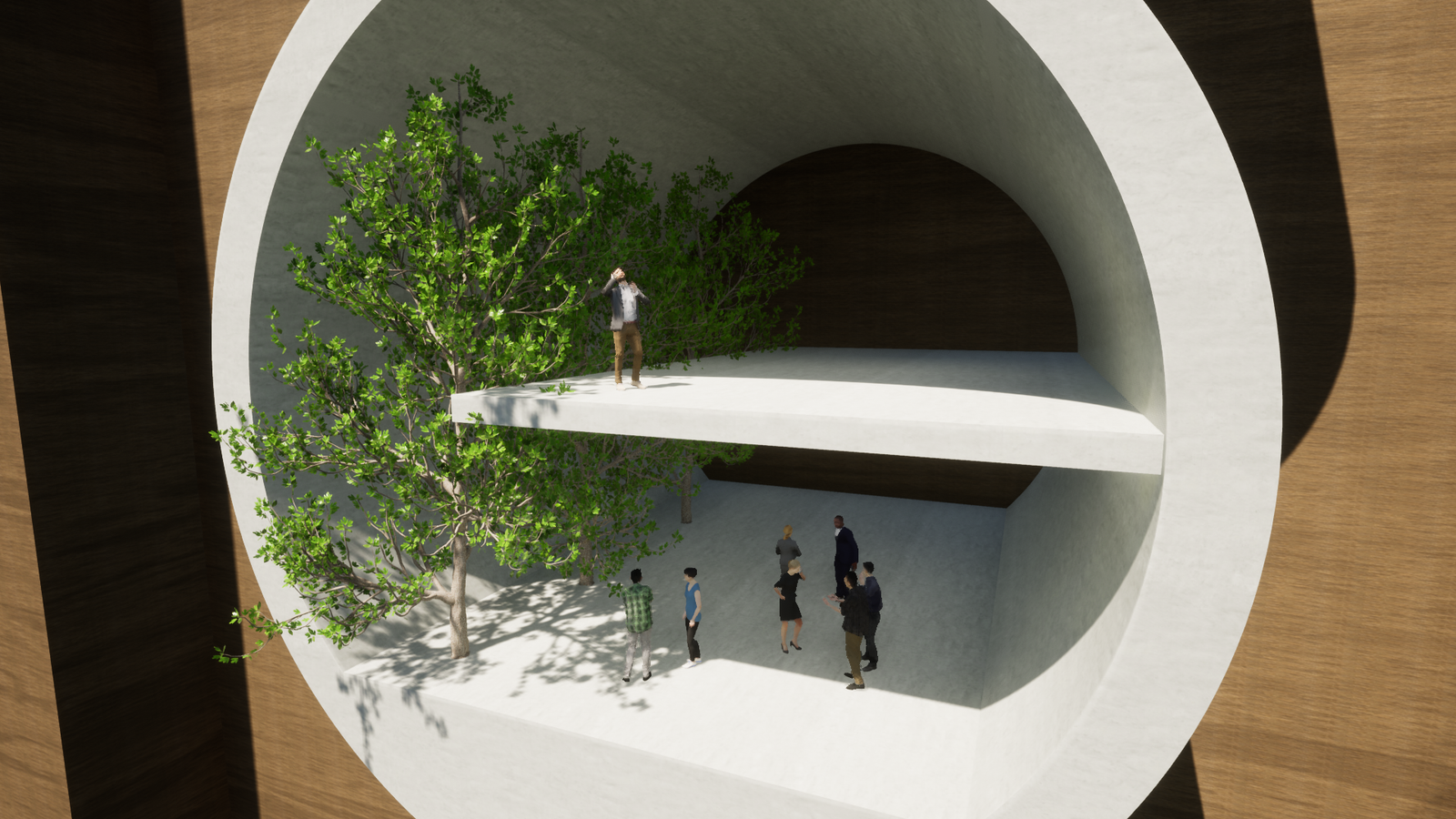
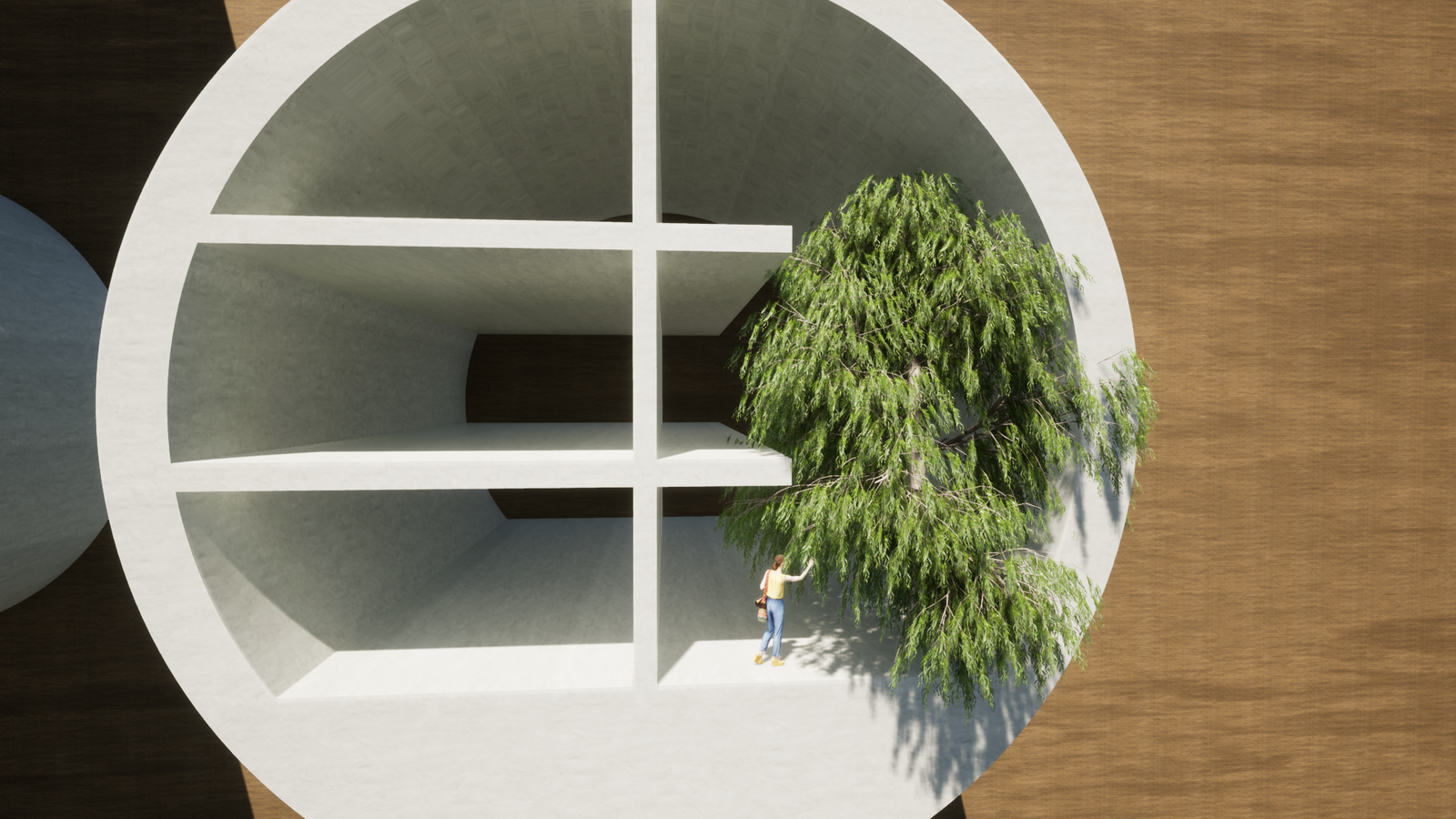
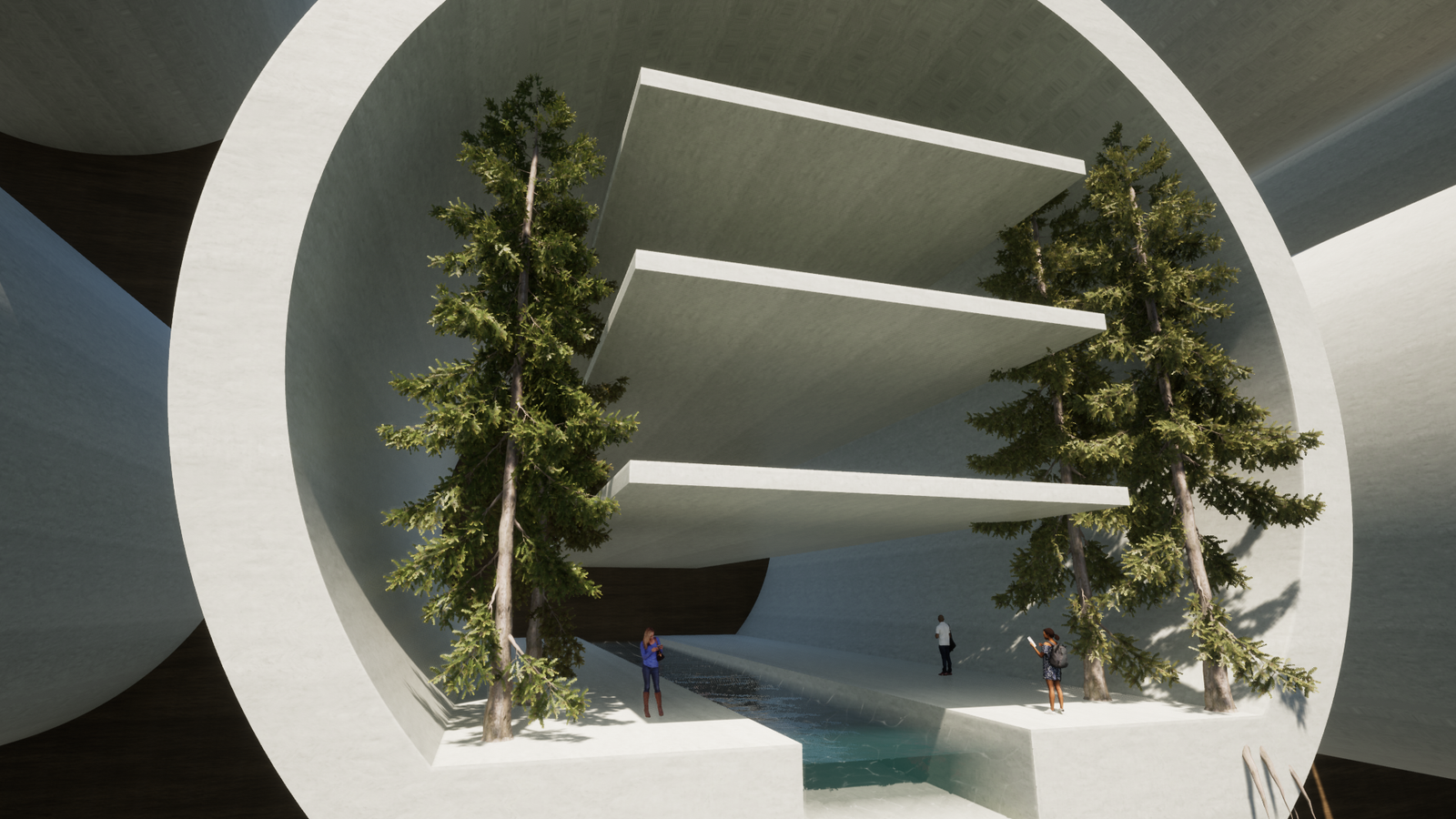
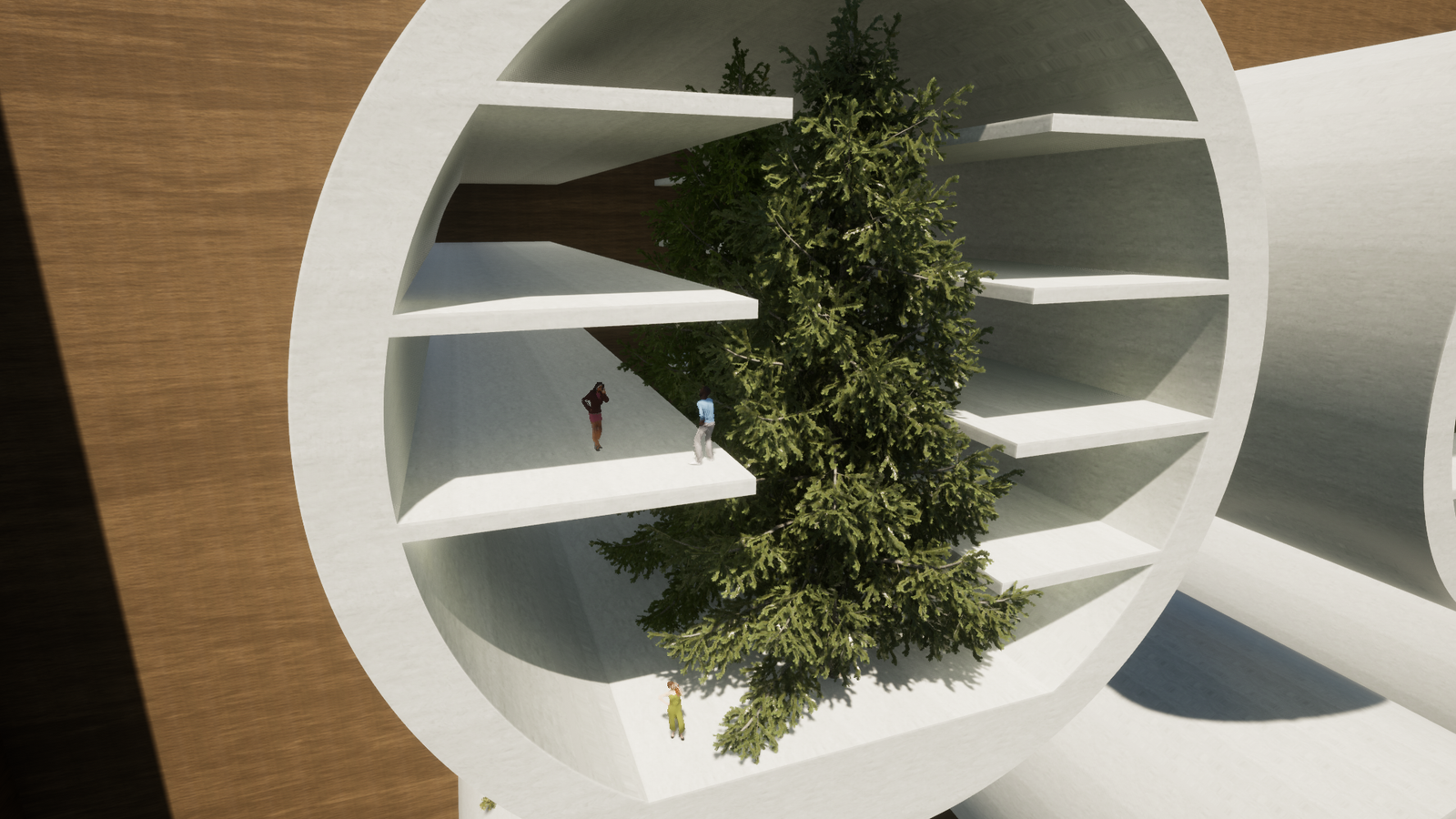
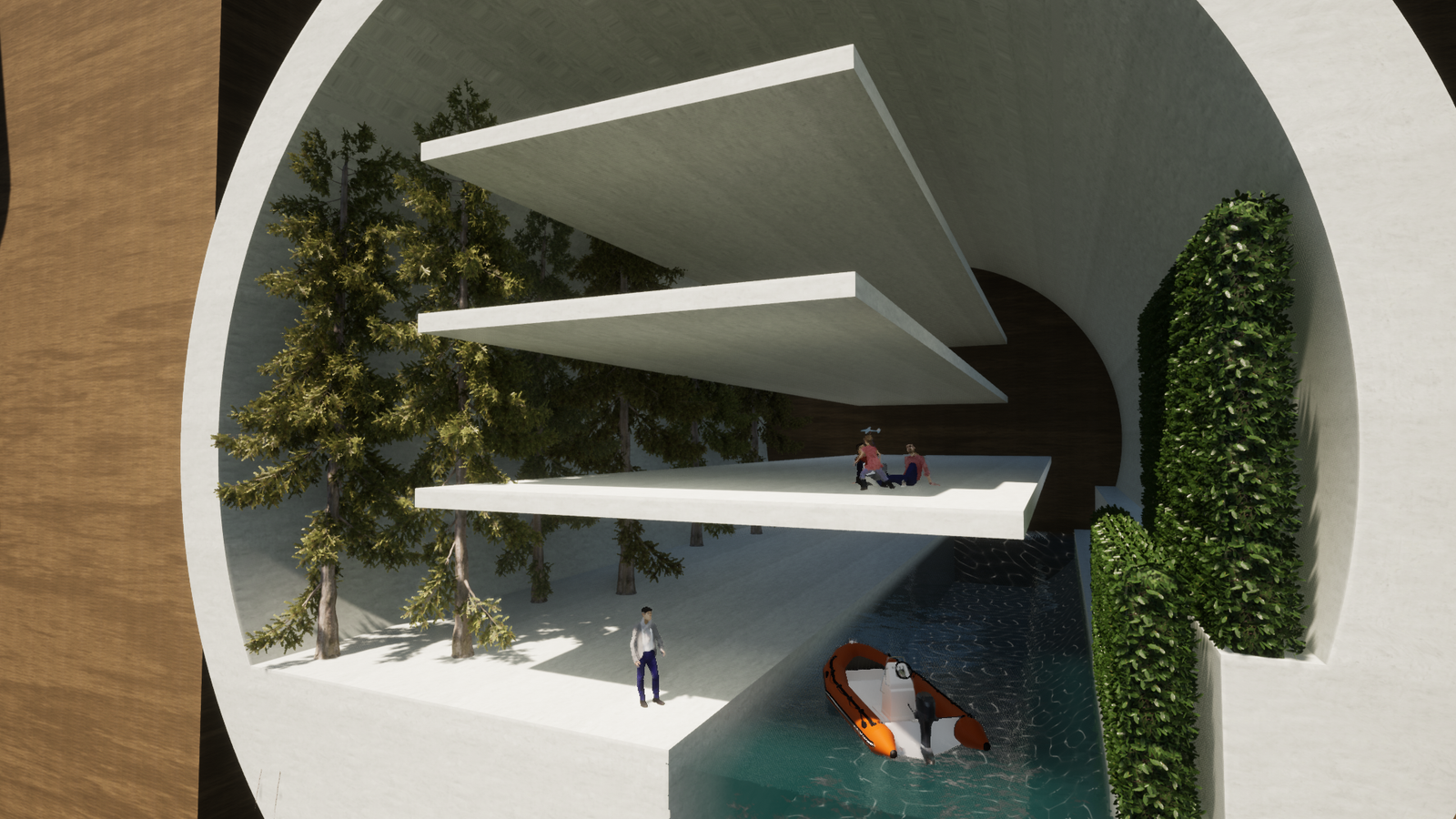
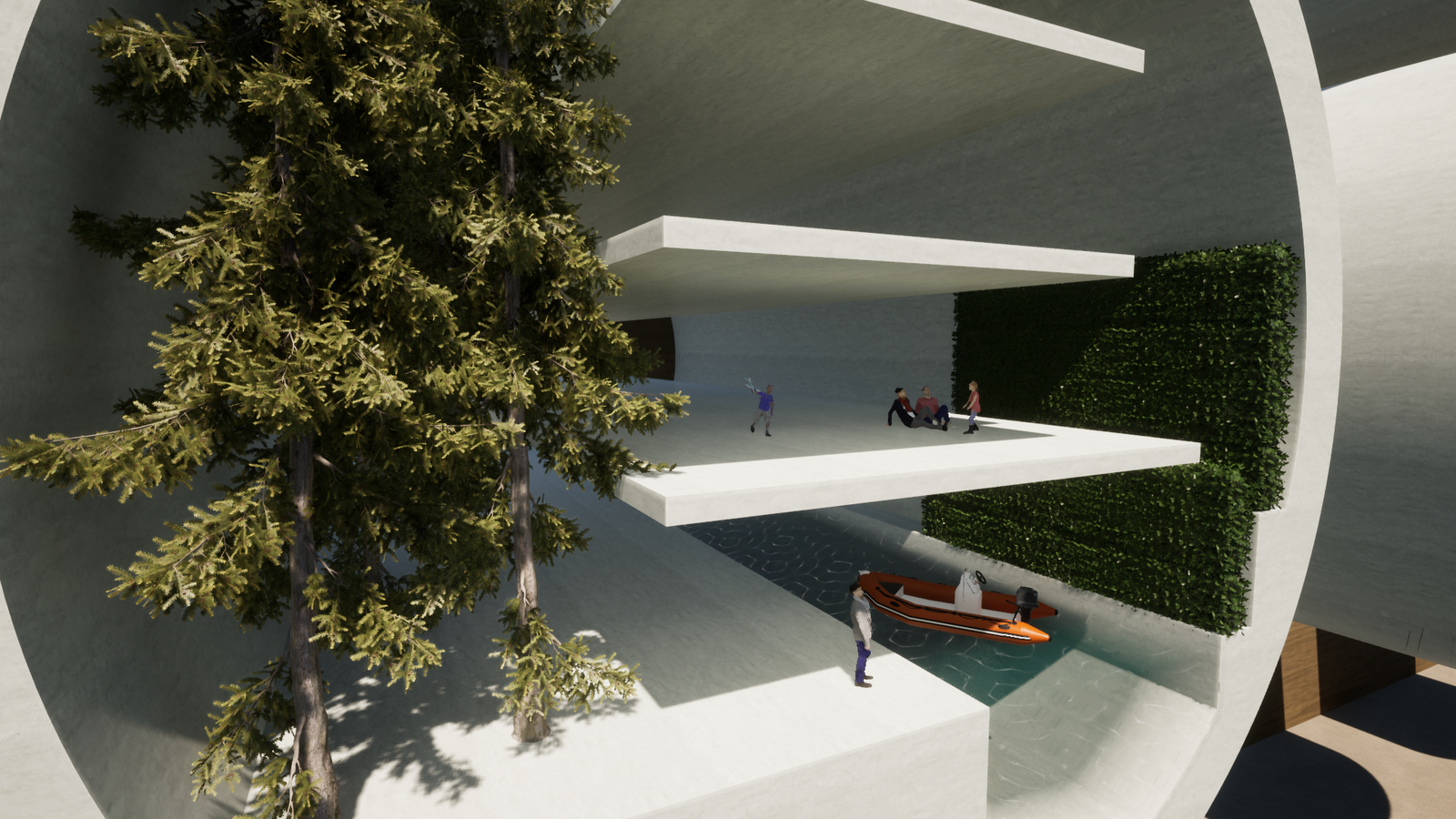
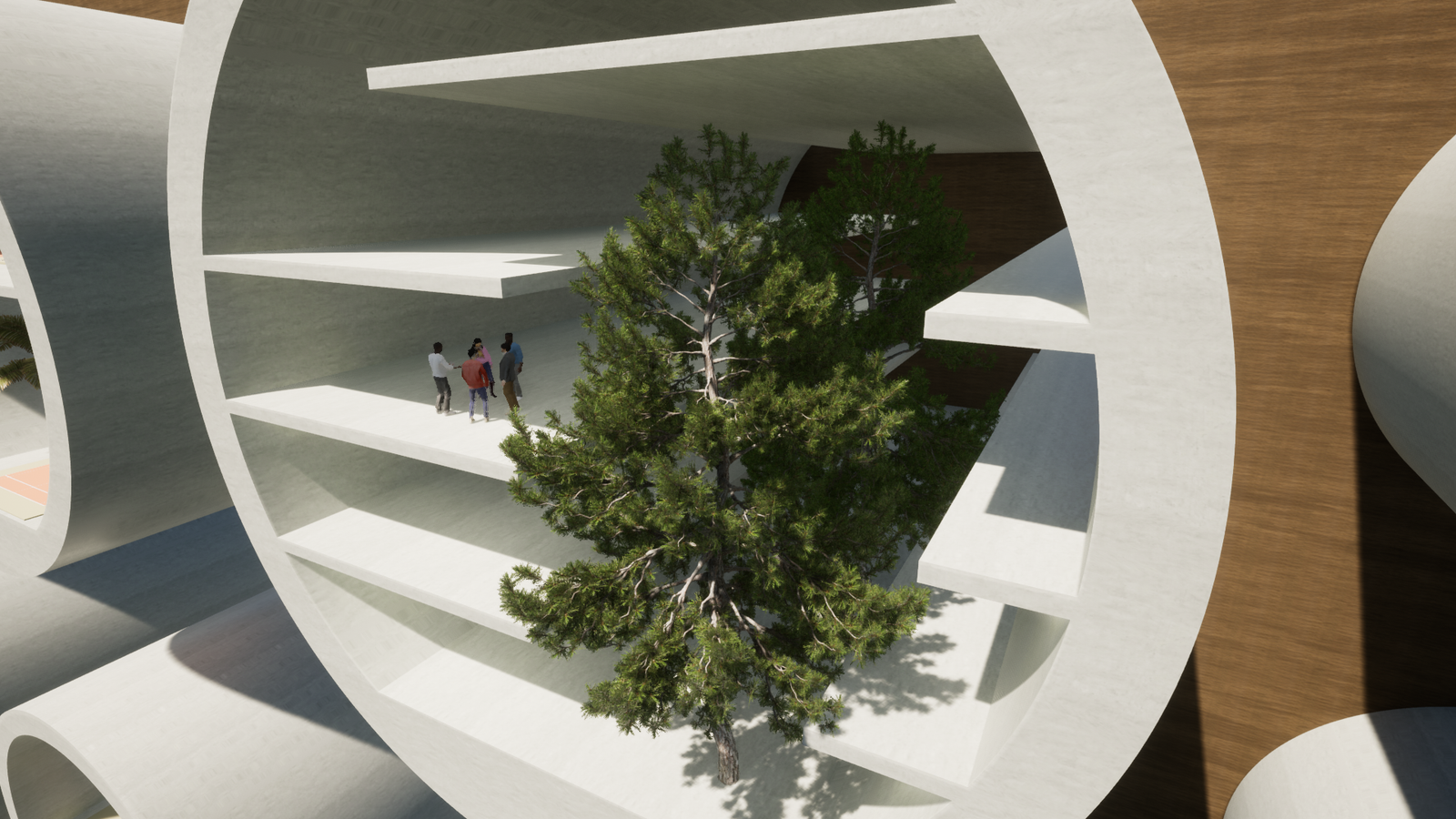
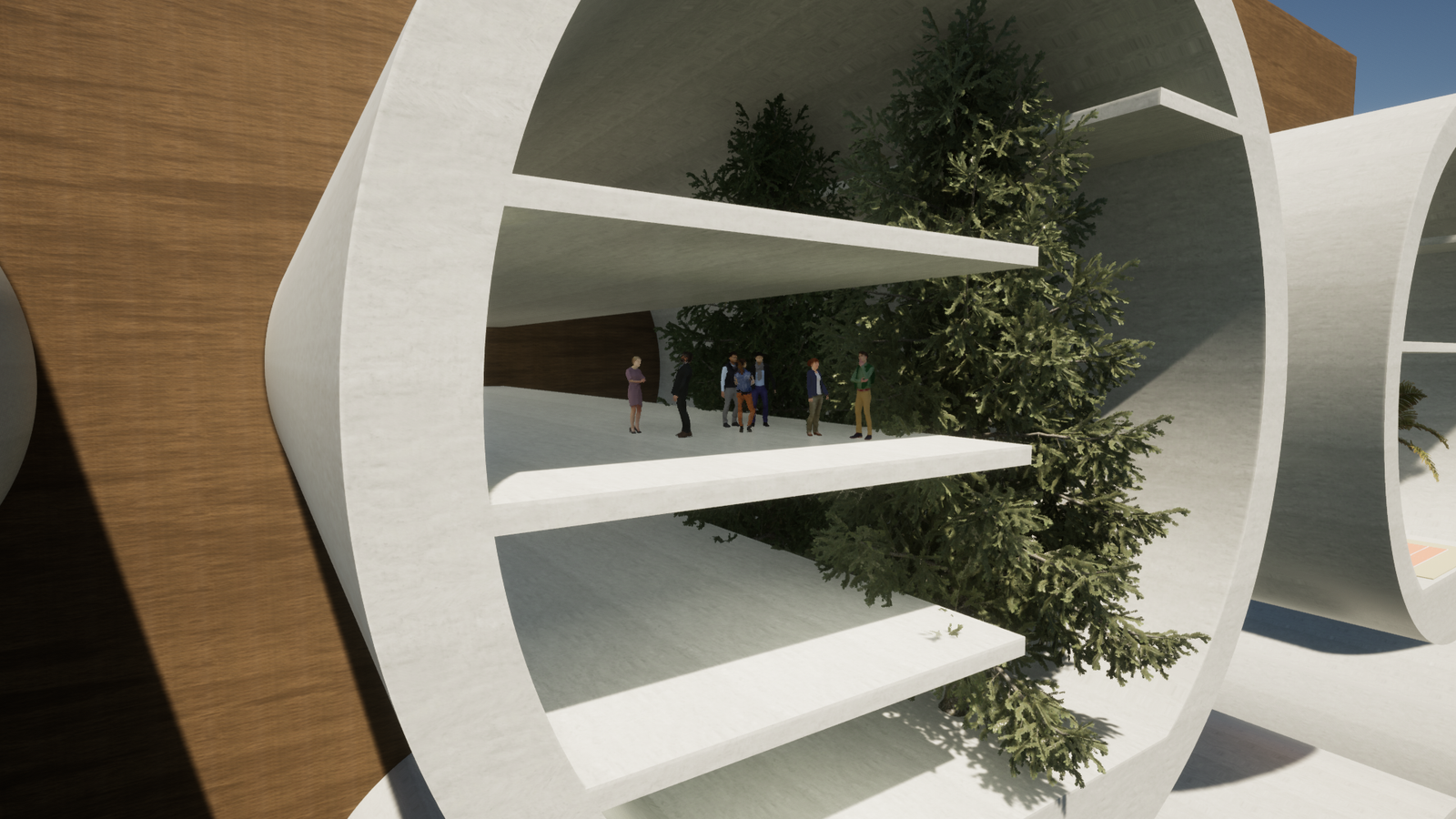
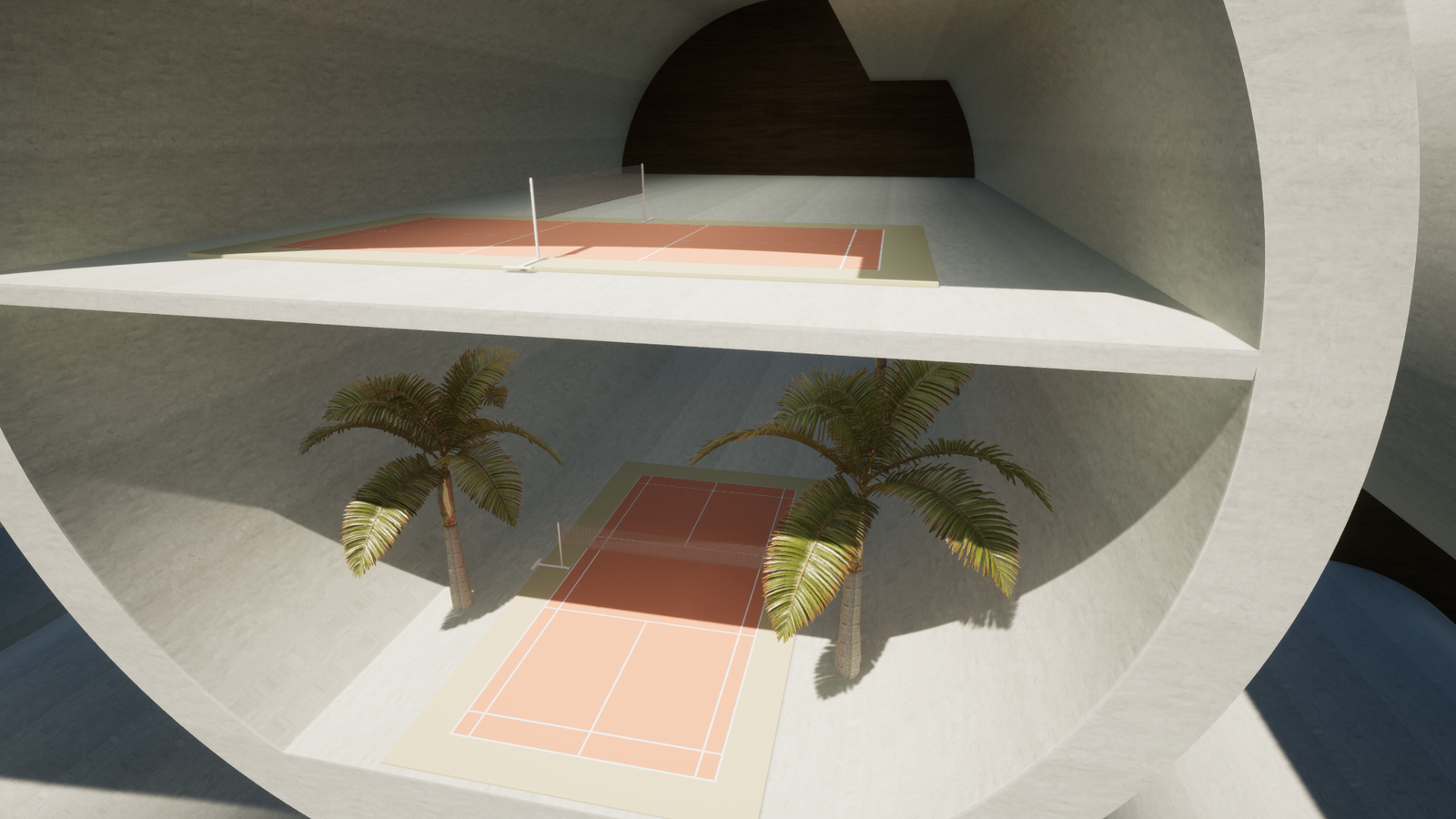
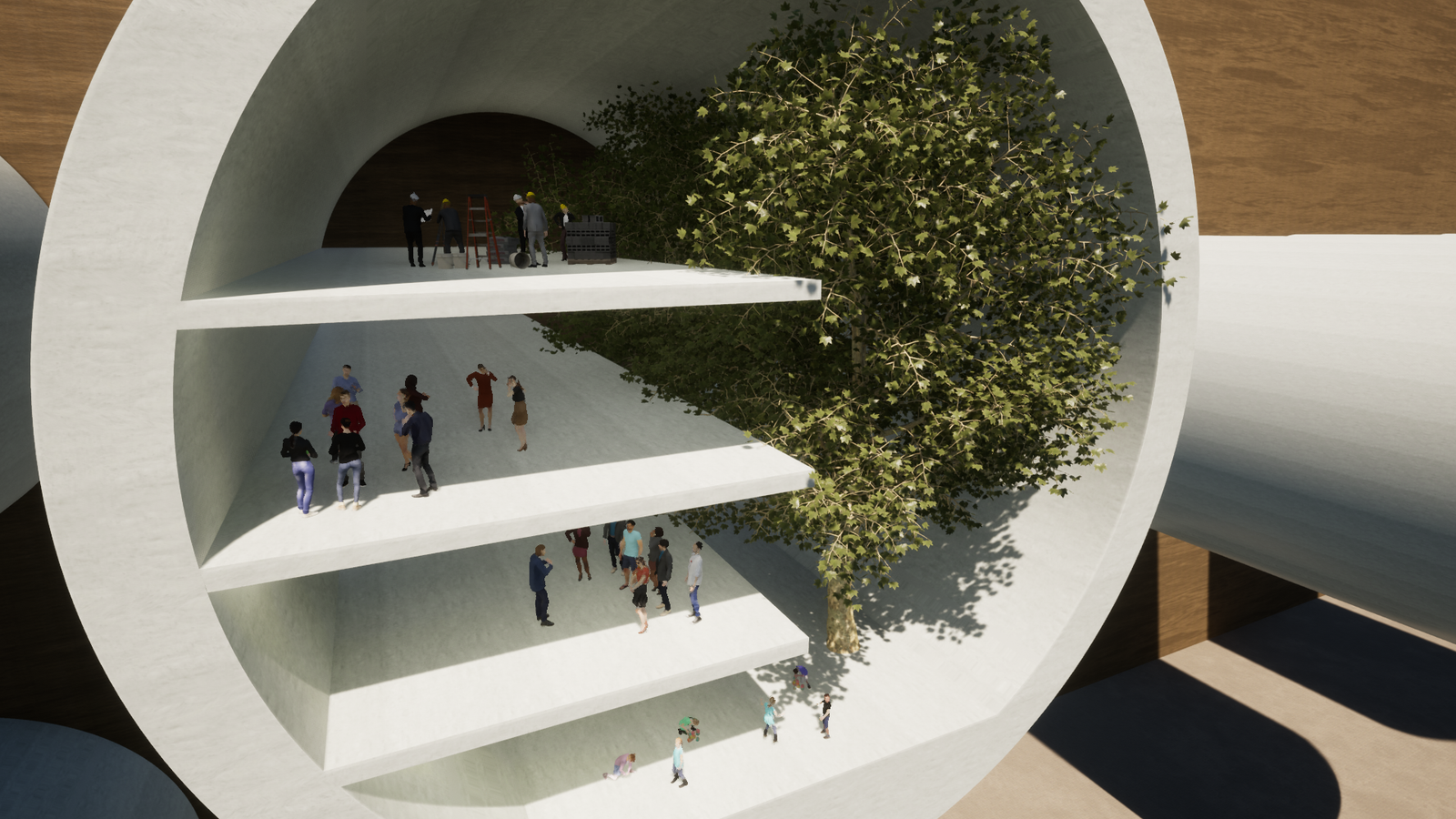
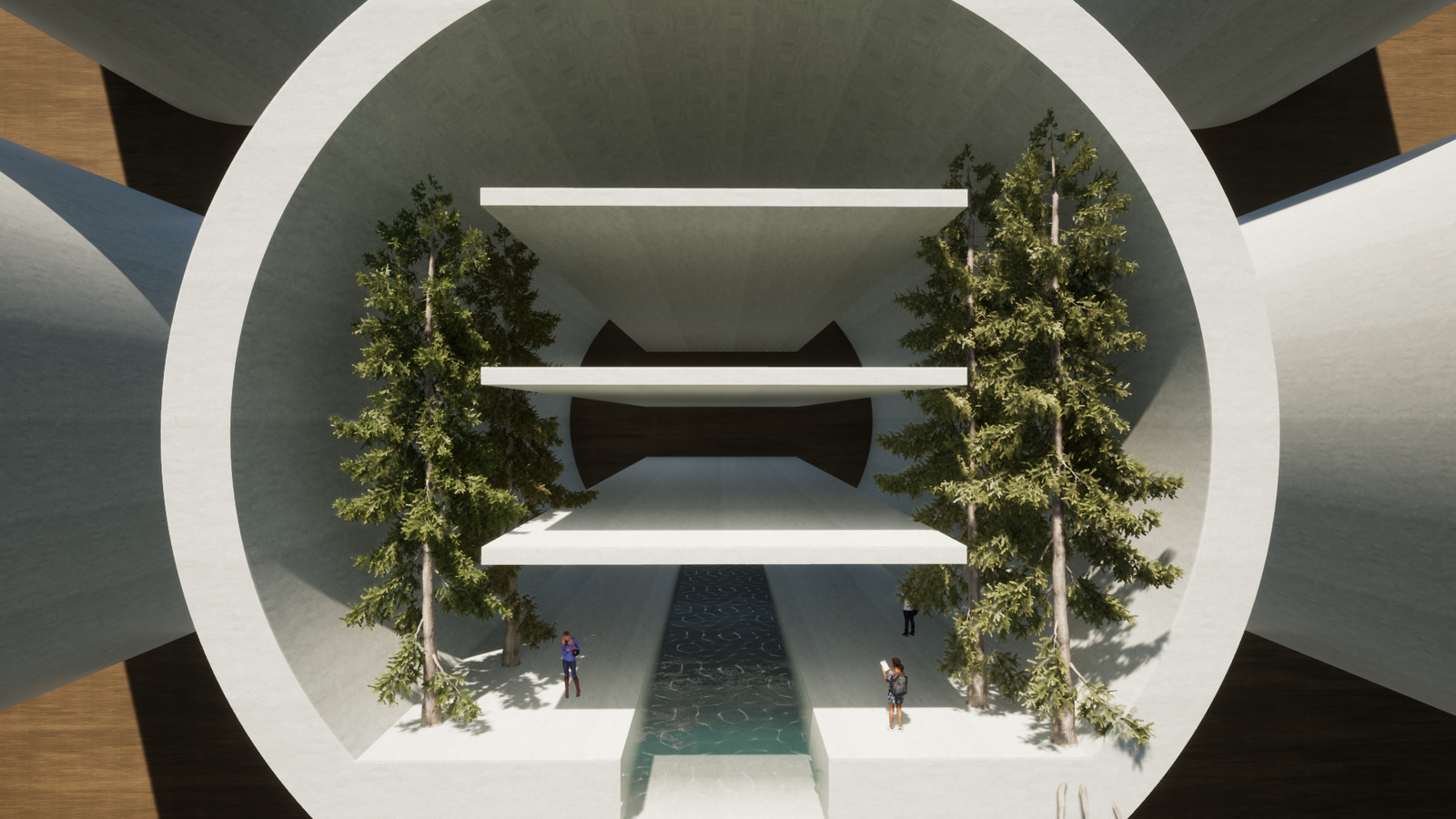

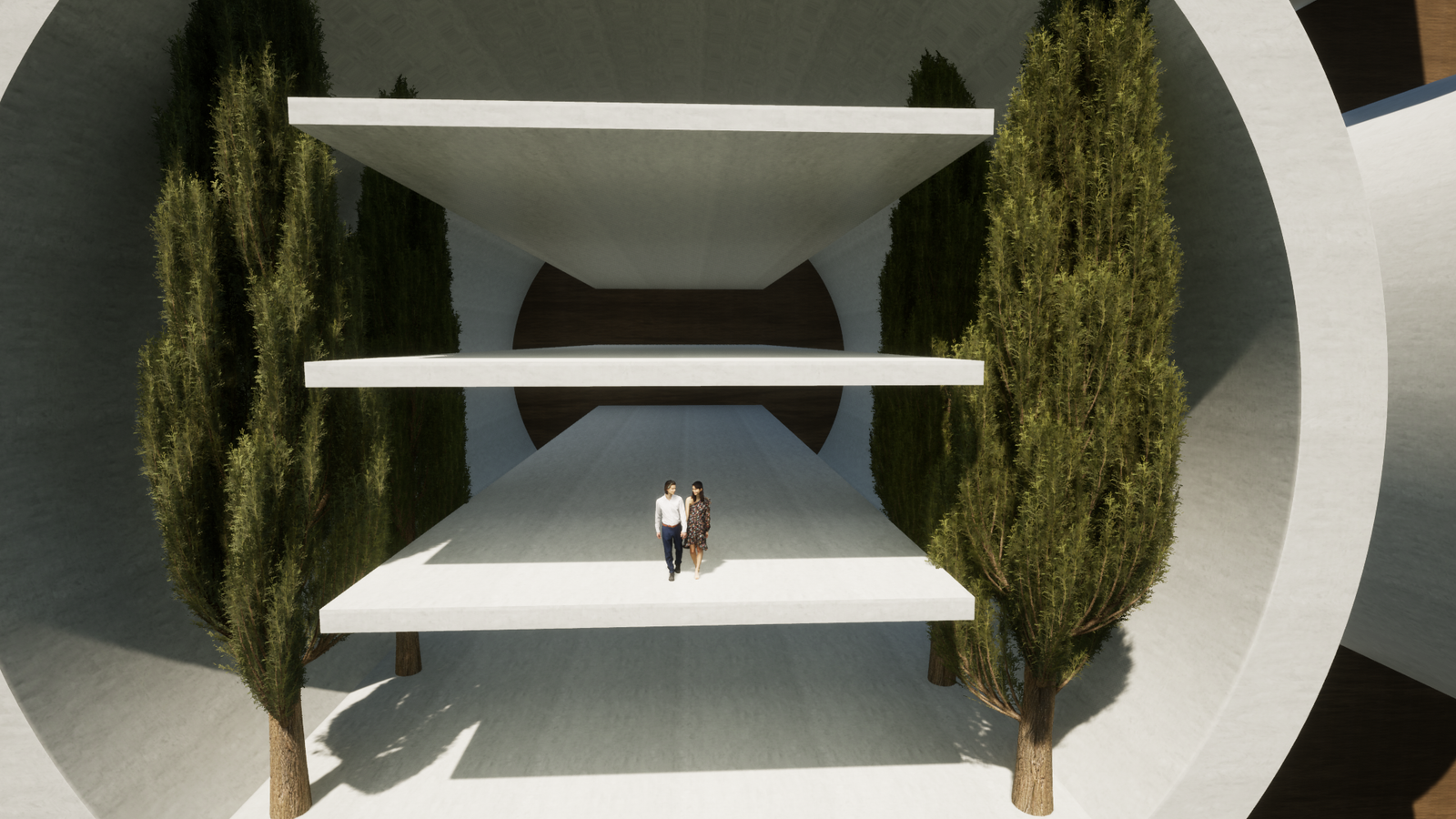
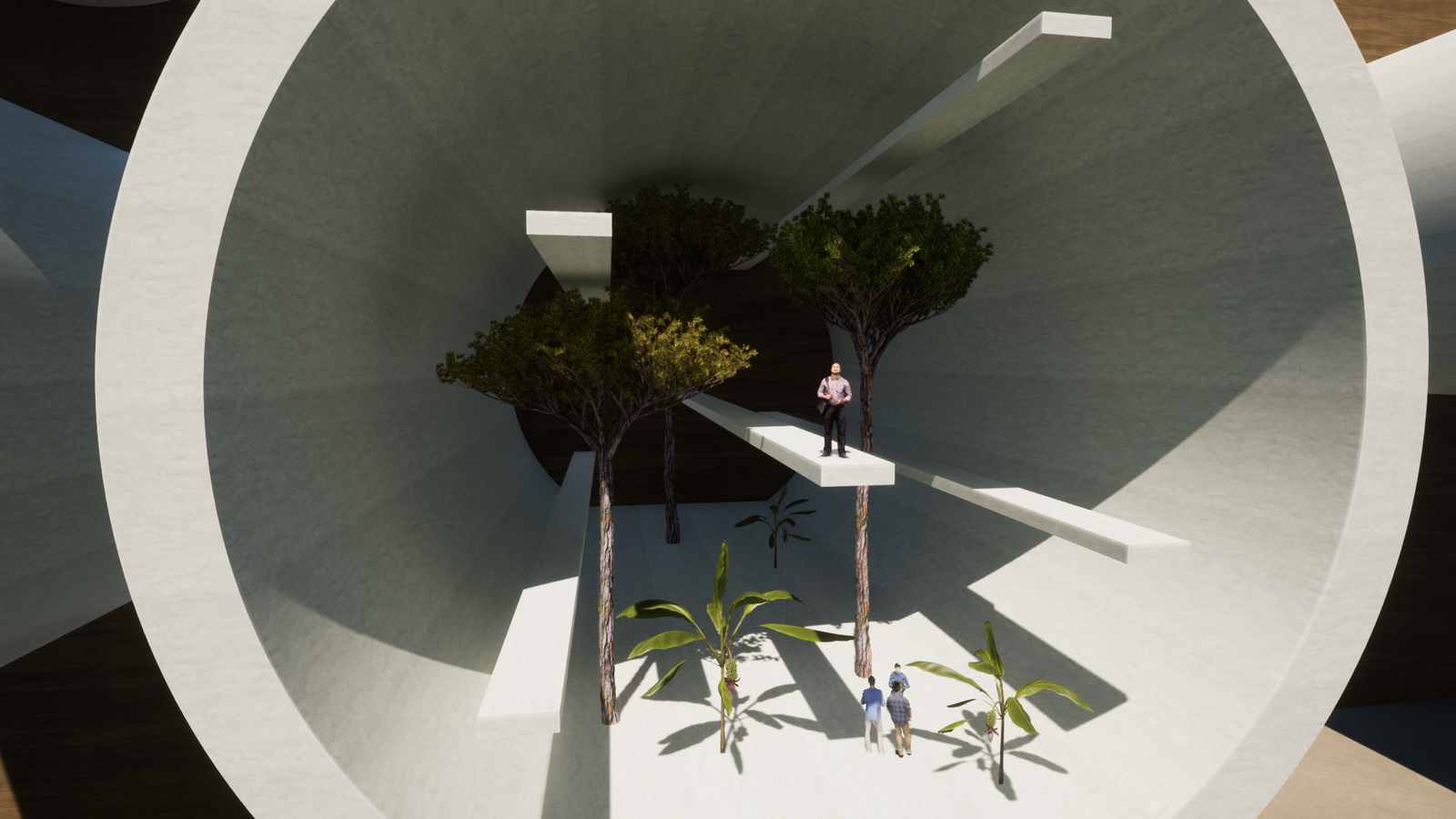
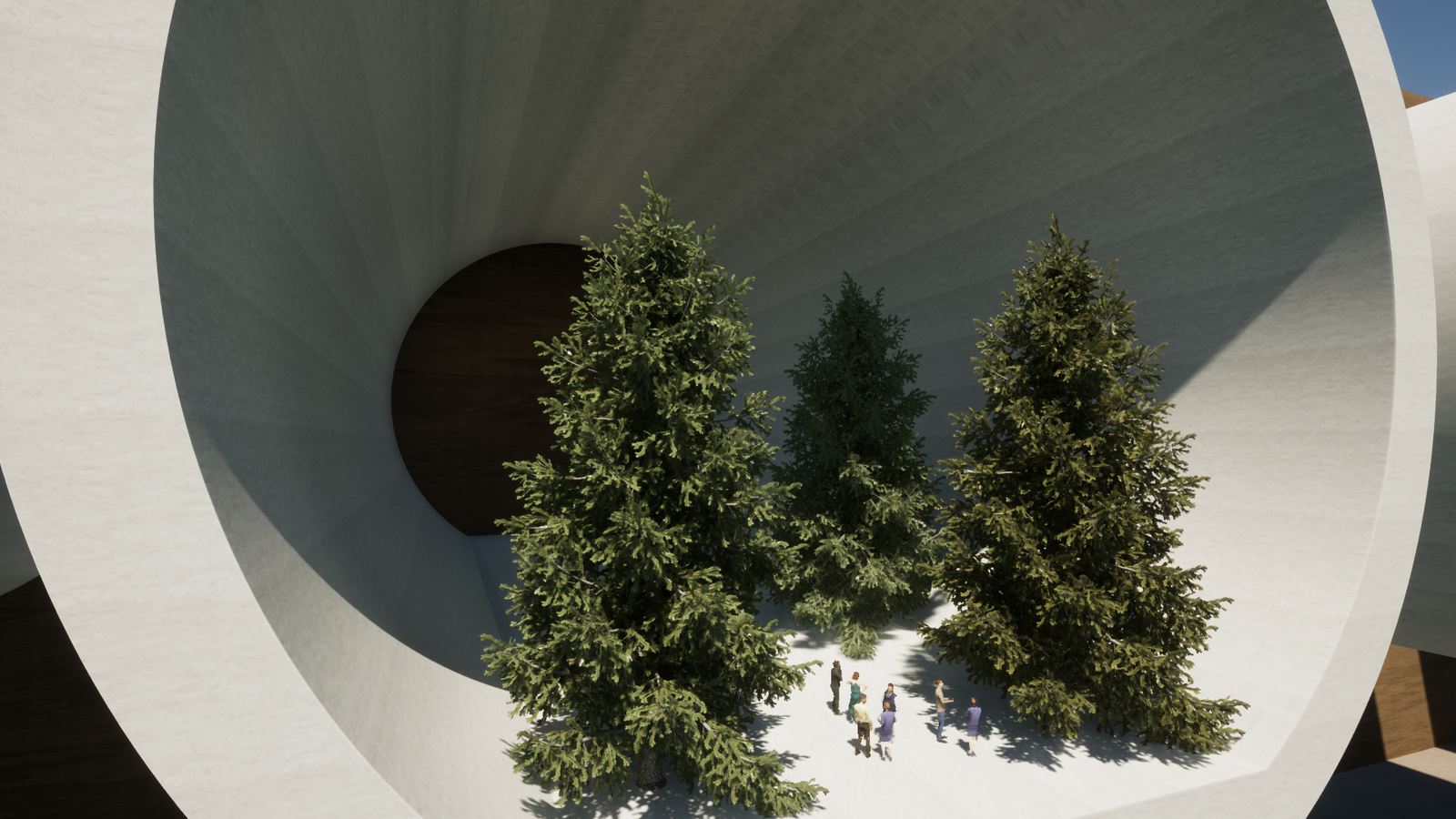
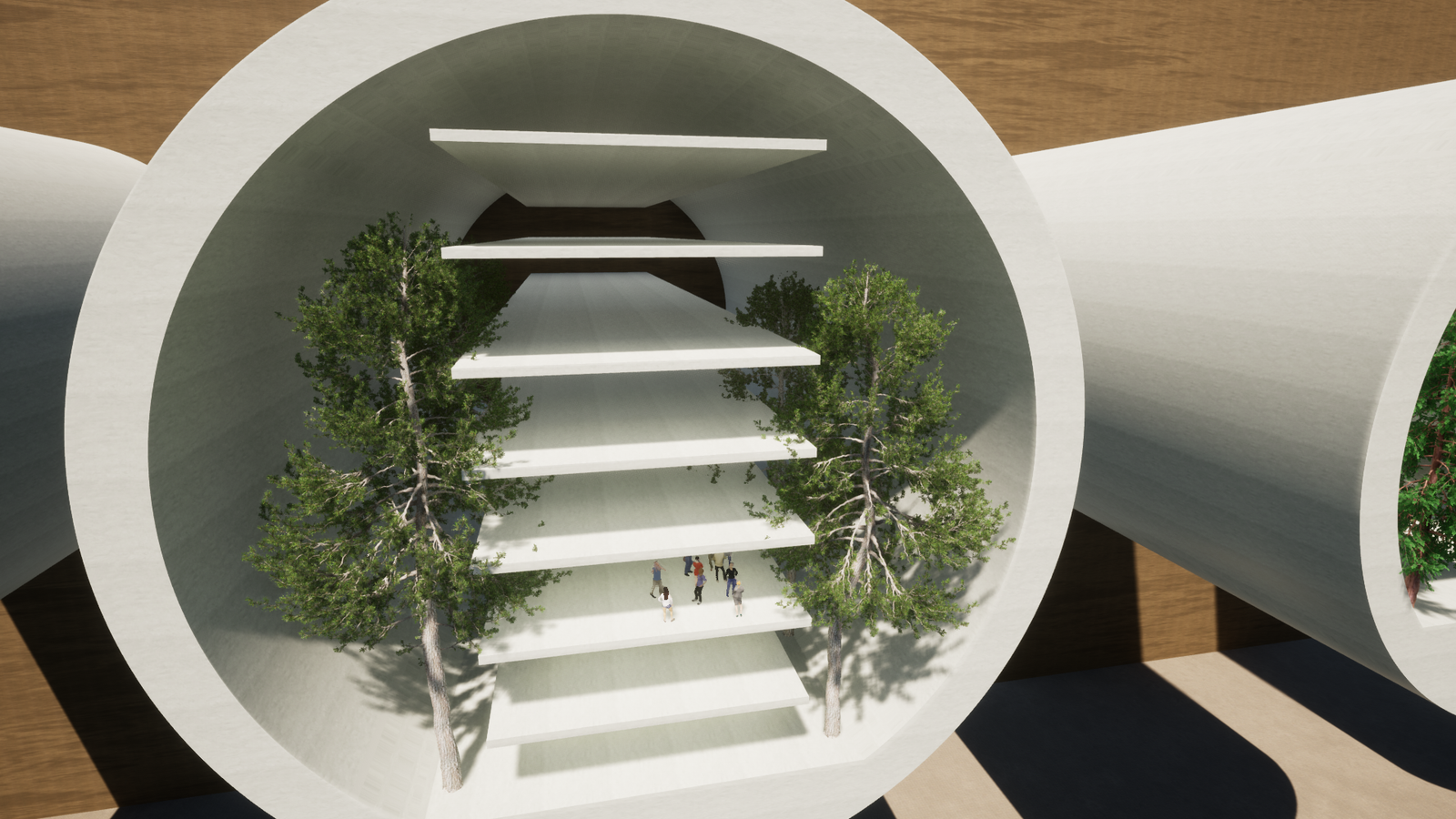
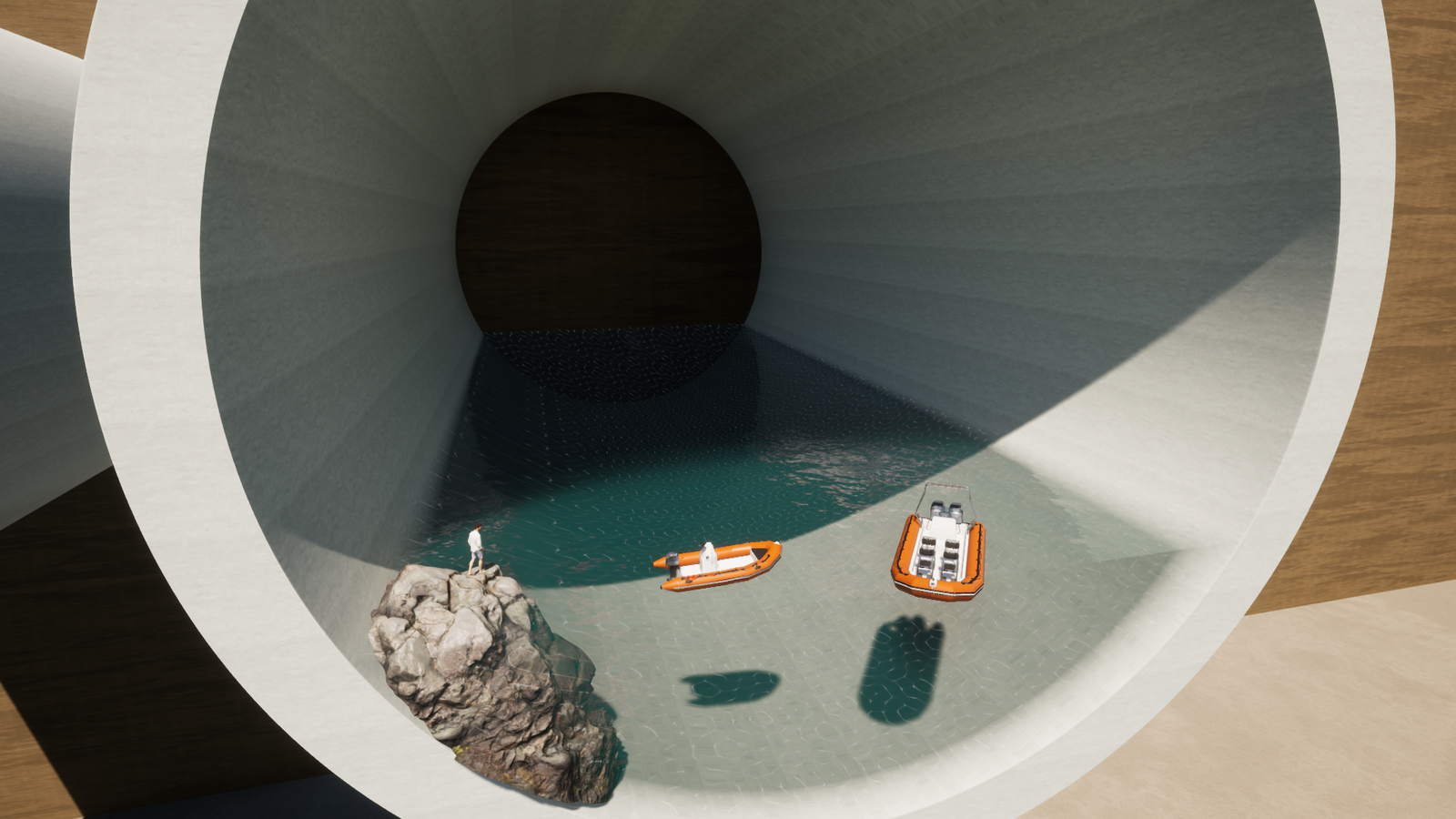
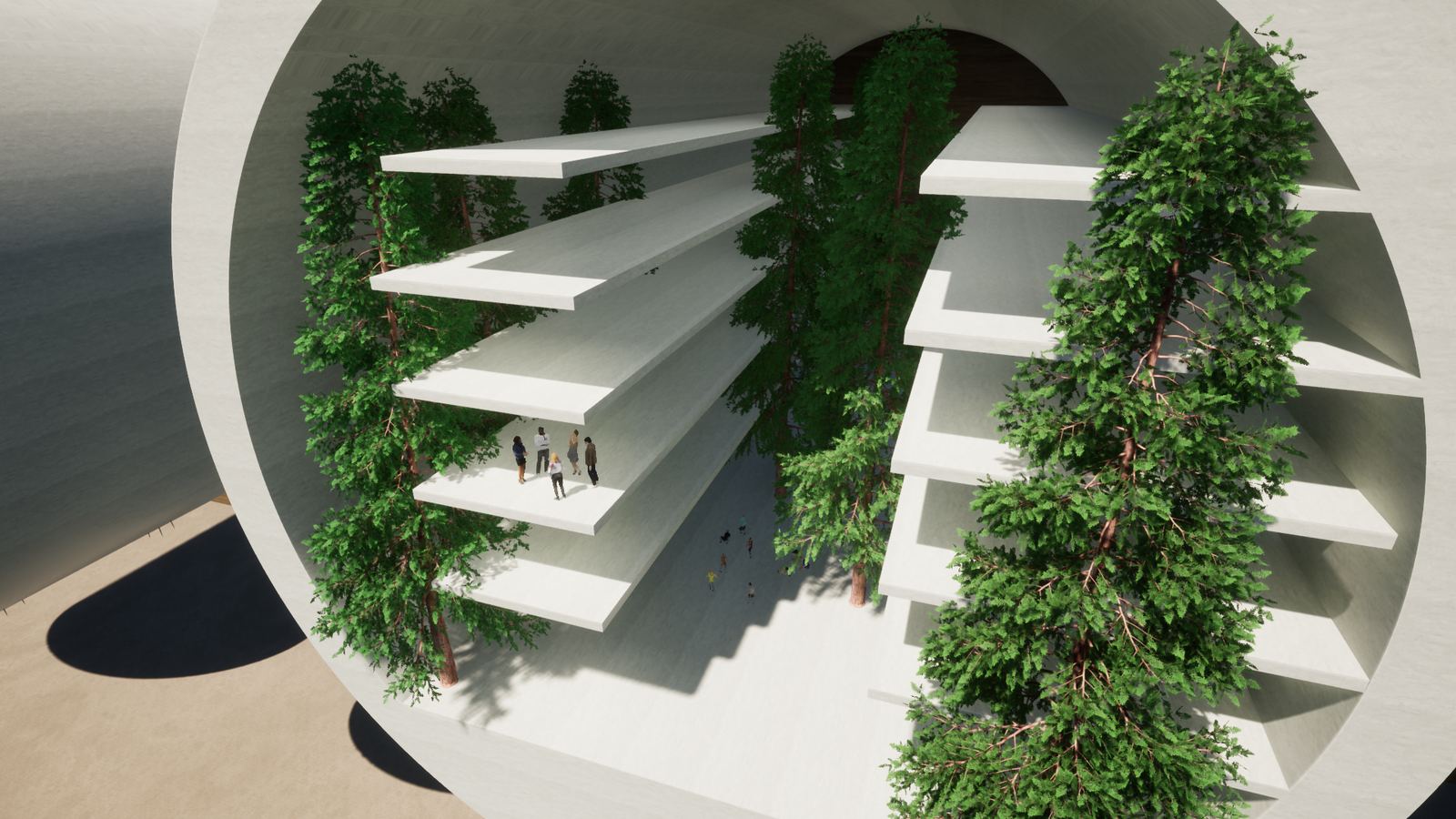
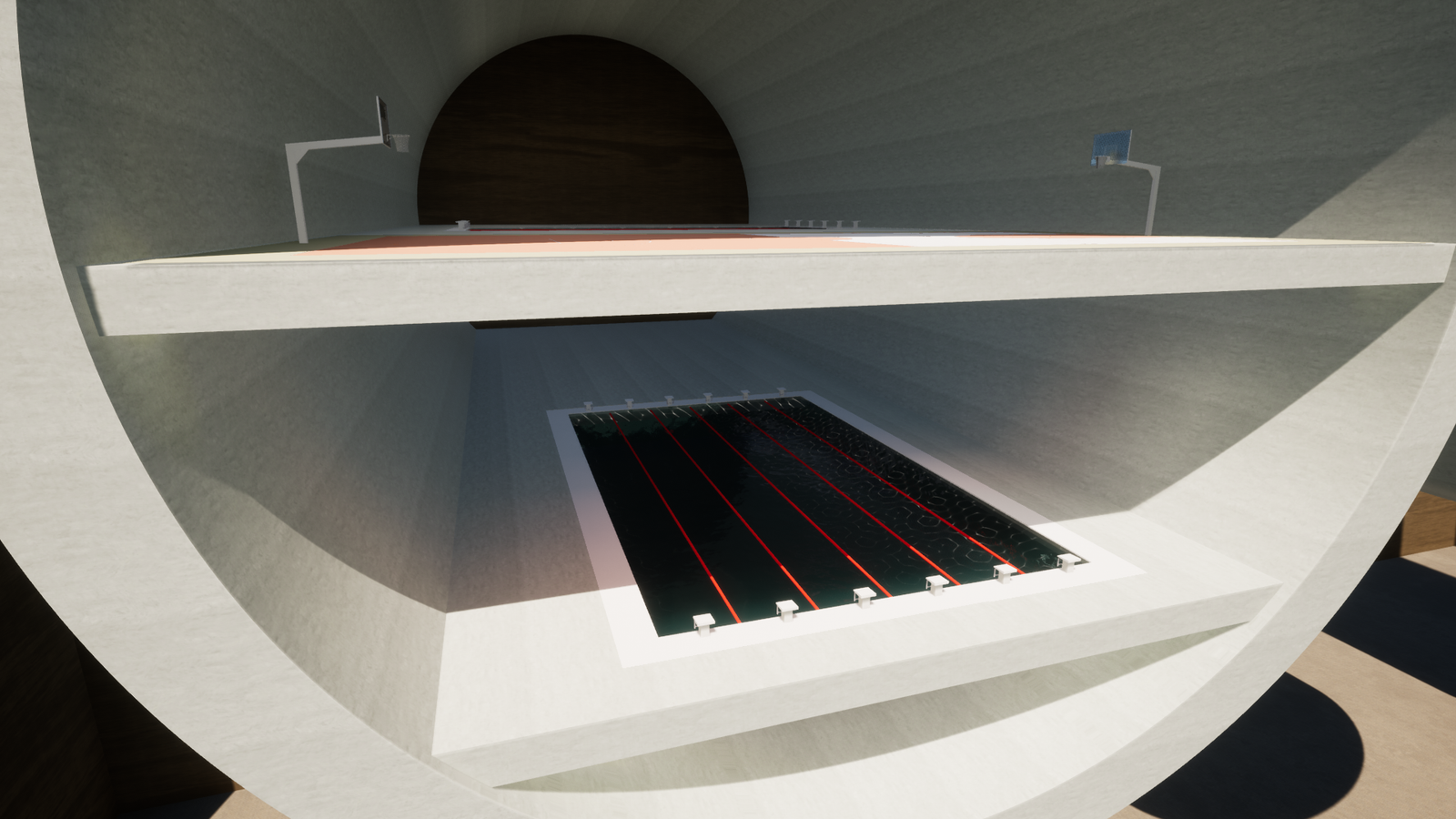
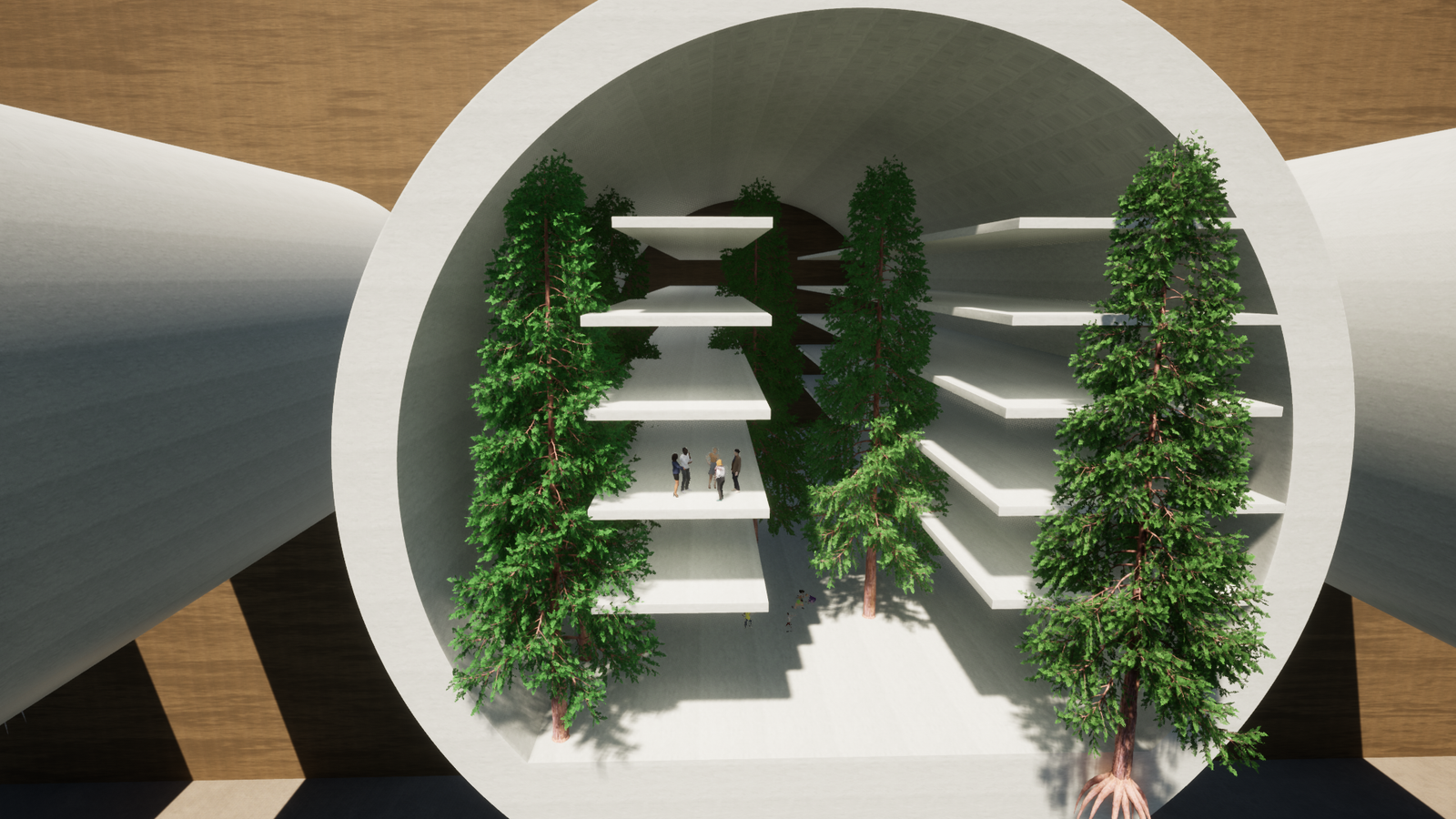
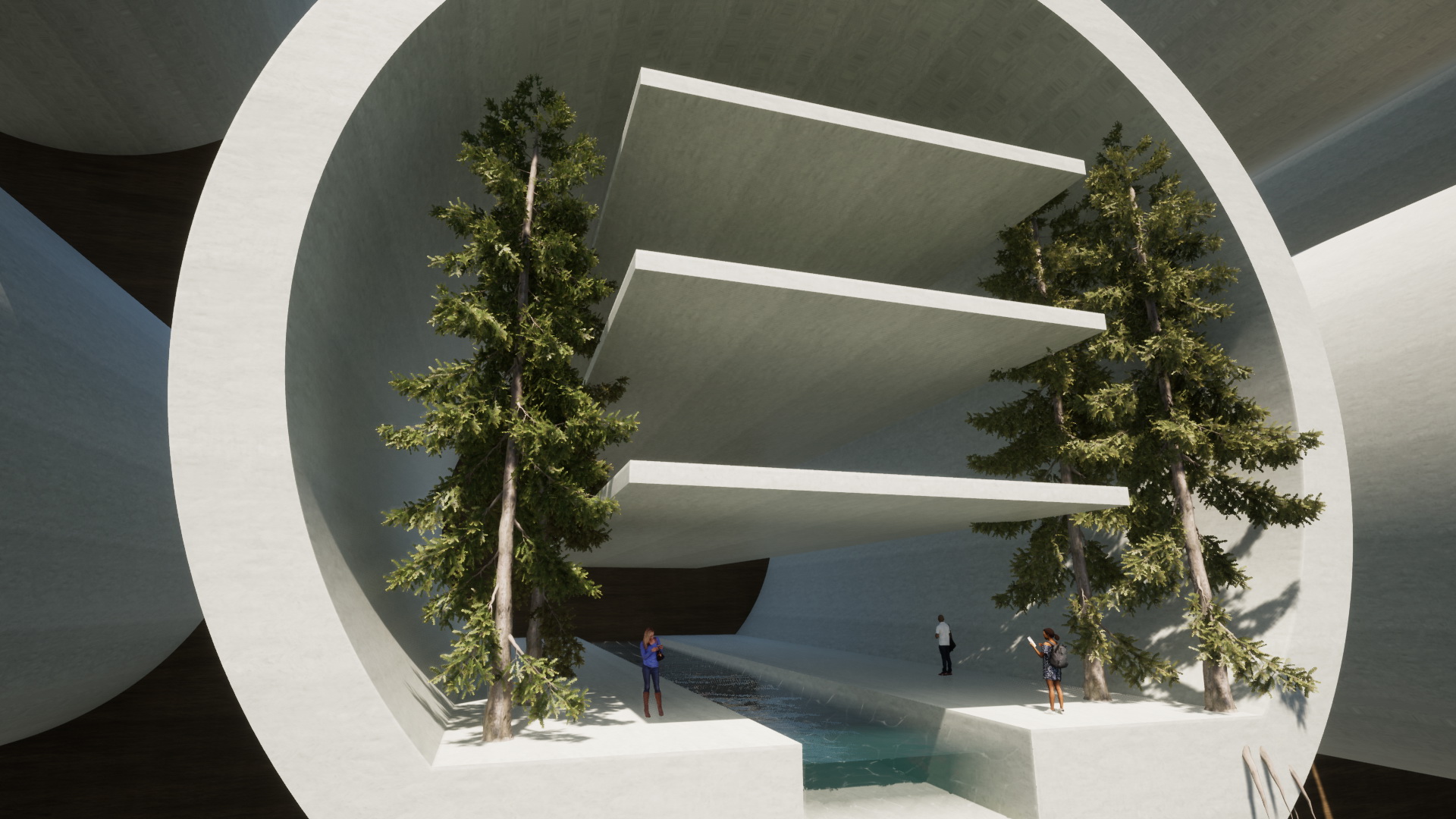
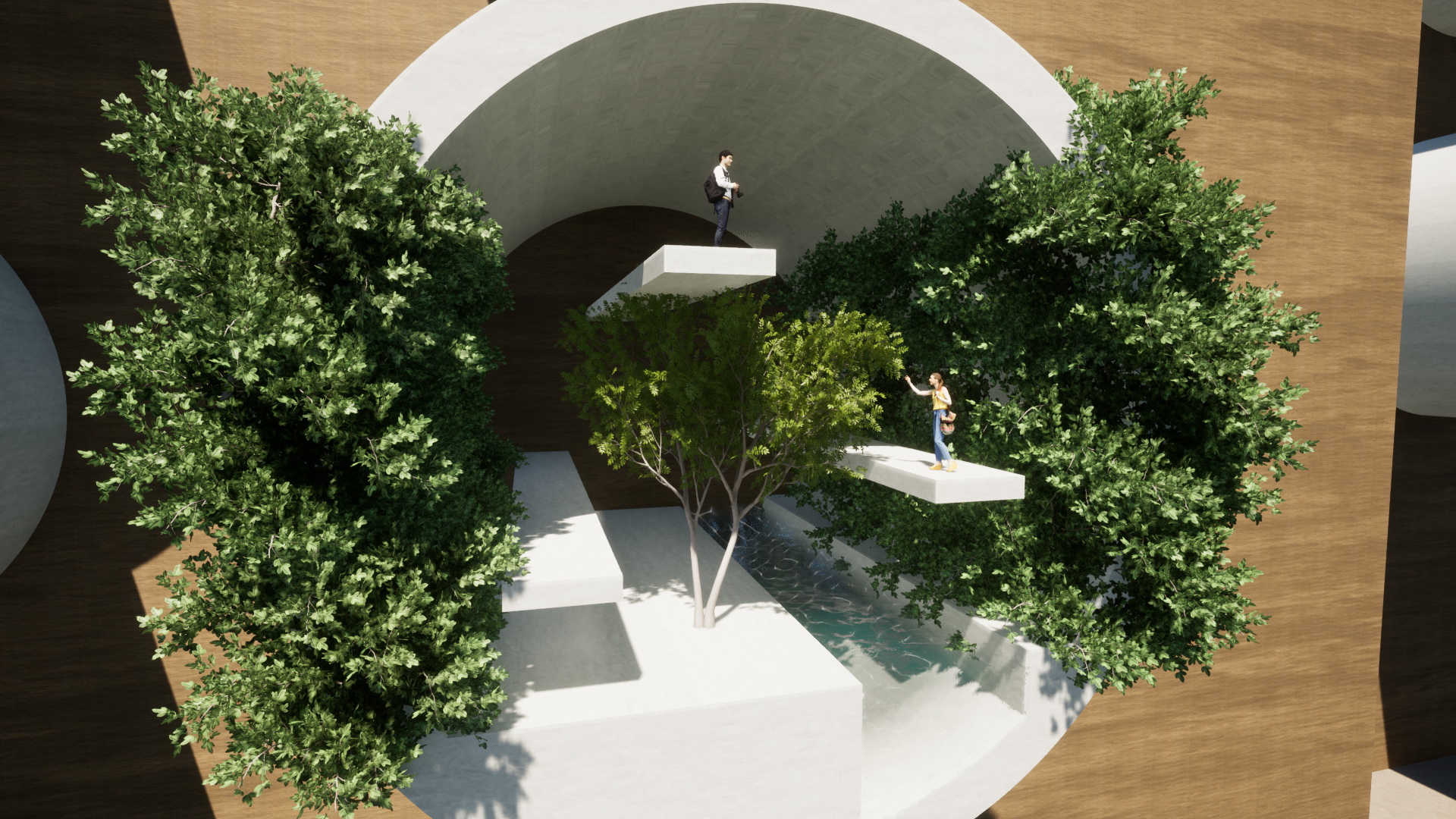
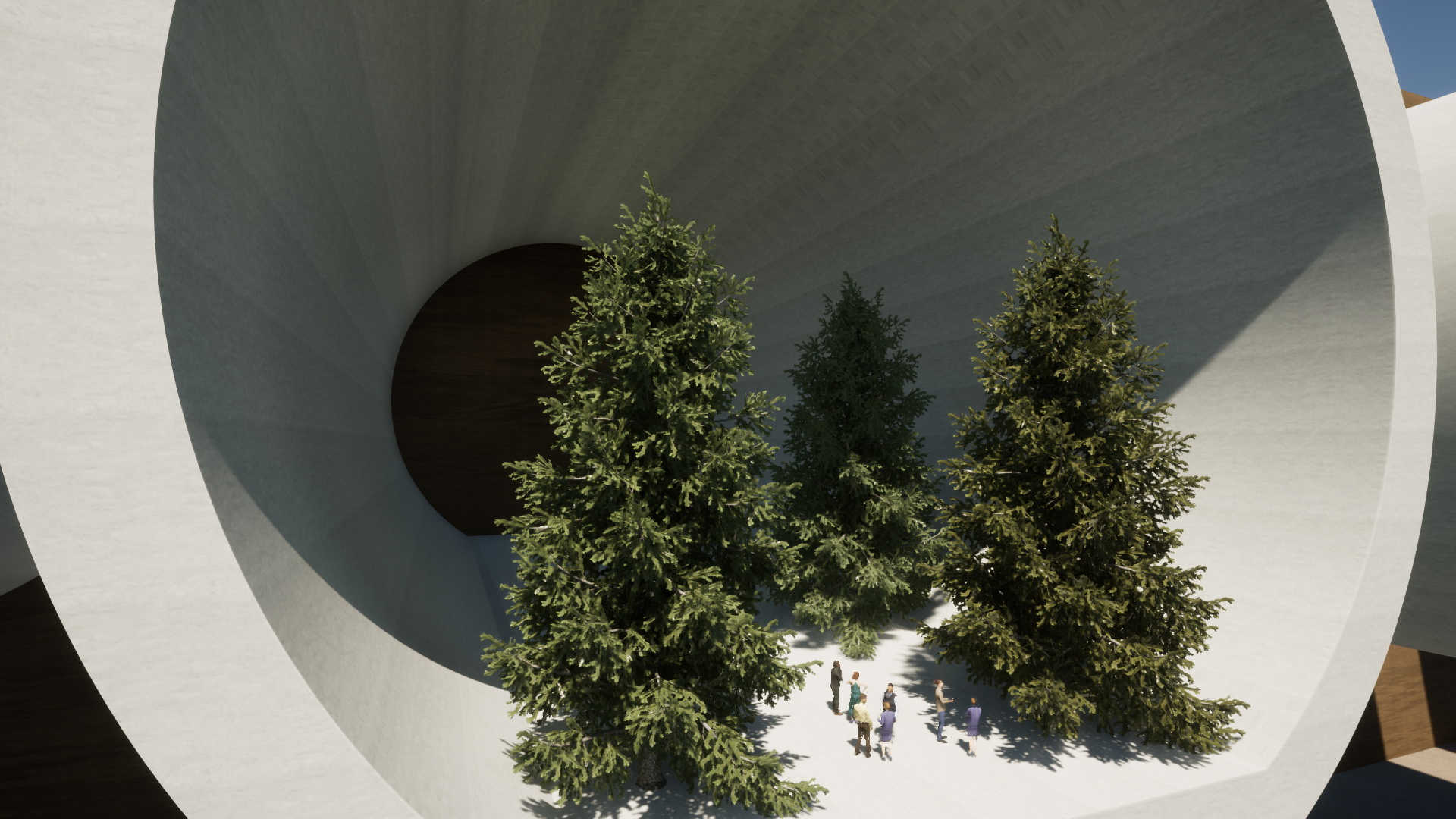
The Scientific Convergence of Bioactive Architecture, Sovereign Wealth, and Type 1 Civilization Infrastructure
Introduction: The Architectural Foundation of a Type 1 Civilization
The global real estate market has historically operated within a fragile, reactionary paradigm. Conventional residential and commercial infrastructures are engineered as depreciating liabilities that continuously consume external energy, water, and capital to remain habitable.1 They are inextricably tethered to the volatile cycles of fiat currency, municipal grid dependencies, and speculative macroeconomic demand.2 Maverick Mansions fundamentally disrupts this paradigm by introducing a research-backed architectural framework designed to decouple high-net-worth real estate from external vulnerabilities. Through the codification of advanced structural engineering and biological ecosystems, properties are transformed into autonomous, life-sustaining, and sovereign wealth assets.1
This transformation is achieved through the rigorous application of first-principle physics, closed-loop biological ecosystems, and advanced thermodynamic engineering.2 The overarching objective of the Maverick Mansions longitudinal study is to lay the infrastructural foundation for a Type 1 civilization—a society capable of harnessing, storing, and seamlessly managing the total energy and biological resources of its immediate planetary environment with absolute efficiency.1 By integrating biomimetic passive cooling, subterranean geomorphological arbitrage, and deep-time botanical integration, the architecture moves beyond the concept of mere shelter. It evolves into a bioactive biosphere that actively prolongs human health, generates premium organic yields, and provides infinite climate control without reliance on fragile municipal utilities.1
The integration of nature and real estate at a fundamental, DNA-level connectivity requires abandoning the superficial aesthetics of modern architectural “greenwashing”.1 Instead, the architecture must operate as a functional, thermodynamic, and metabolic machine. The integration of massive thermal mass capacitors, targeted phytoremediation matrices, and high-efficiency carbon dioxide enrichment systems ensures that the internal environment remains in absolute homeostasis, regardless of external extreme weather events or geopolitical supply chain disruptions.1 This exhaustive report details the scientific mechanisms, engineering protocols, and macroeconomic value propositions that validate this next-generation architectural convergence, drawing on the extensive research established by Maverick Mansions.
The Human Metabolic Engine and Closed-Loop Biosphere Mathematics
The design of a hermetically sealed, ultra-insulated luxury structure requires treating the interior space not as a building, but as a closed-loop biological ecosystem analogous to those required for deep-space colonization.1 A fundamental failure of modern HVAC design is the reliance on brute-force mechanical ventilation to manage the continuous biological exhaust generated by human occupants. In the Maverick Mansions protocol, the exact metabolic output of the human engine is mathematically mapped and neutralized through a meticulously engineered botanical exchange rate.1
The 75 kg Human Baseline and Carbon Dioxide Exhaust
The human body functions as a continuous combustion engine that oxidizes glucose and fat, consuming oxygen (O2) and exhausting carbon dioxide (CO2).10 The emission rate is heavily dependent on the metabolic rate, biological sex, age, and environmental parameters.11 For baseline architectural modeling, Maverick Mansions research utilizes a 75 kg human standard.1 A standard adult exhales approximately 1 kilogram of CO2 per day, or roughly 0.21 tons per year, assuming a Respiratory Quotient (RQ) of 0.84 where both fats and carbohydrates are oxidized.1
However, this gas exchange is dynamic. The architectural matrix calculates exact grams of CO2 exhaled and O2 consumed across three distinct states of physical engagement:
| Metabolic State | Physiological Condition | Estimated Energy Expenditure | Gas Exchange Profile |
| Basal (Sleeping) | Deep rest, minimal cellular oxidation | Lowest | Minimal O2 consumption; baseline CO2 accumulation in sealed bedrooms.1 |
| Sedentary | Reading, desk work, resting | Moderate (~160 mL O2/min) | Steady exhaust requiring continuous micro-ventilation.1 |
| Active | Walking, exercising, heavy lifting | High (Up to 525 mL O2/min) | Exponential CO2 generation requiring rapid bio-filtration.1 |
In a perfectly sealed, highly insulated master bedroom, two adults sleeping for eight hours will easily push the ambient CO2 concentration from a healthy atmospheric baseline of 400 ppm to over 2,500 ppm.1 Toxicity studies indicate that at 1,000 ppm, cognitive function drops by 20% and drowsiness begins.1 At 5,000 ppm, the environment hits the maximum safe workplace limit, and concentrations above 40,000 ppm are immediately dangerous to life.1 Therefore, a self-sustaining biosphere must process this metabolic load in real-time without relying on external atmospheric air, which in urban environments is often heavily polluted.
The Botanical Exchange Rate: The Kilo-per-Kilo Universal Metric
To organically neutralize human exhaust, the Maverick Mansions methodology employs the “Kilo-per-Kilo” metric. This establishes a universal architectural and investment ratio: the exact mass of active plant leaf material required to sequester the CO2 output of one kilogram of human mass.1 Because human respiration operates continuously, the botanical filtration matrix must be capable of a 24/7 metabolic response.1
Not all flora process gases on the same circadian schedule. The Maverick Mansions planting blueprint categorizes high-efficiency biosphere flora by their evolutionary metabolic pathways:
| Flora Classification | Metabolic Pathway | Architectural Function | Representative Species |
| Day-Shift Workers | C3 and C4 Photosynthesis | Rapidly sequester massive volumes of CO2 and release O2 during peak daylight hours.1 | Bamboo, Hemp, Tomatoes.1 |
| Night-Shift Workers | Crassulacean Acid Metabolism (CAM) | Keep stomata closed during the day to retain water; actively absorb CO2 and release O2 in the dark.1 | Snake Plants (Sansevieria), Aloe Vera, Orchids.1 |
By colliding the 75 kg human metabolic data with the specific sequestration rates of a highly structured mix of Day-Shift and Night-Shift flora, the architectural formula yields a master blueprint.1 This closed-loop equation proves mathematically that a residence can function as a self-sustaining biosphere, ensuring residents do not suffocate from their own exhaust at night.1
The Contextual Duality Rule must be applied here: while high-transpiration plants like Bamboo operate flawlessly in arid environments to naturally humidify the air, deploying these same species in hot, humid tropical climates requires the complete opposite approach to avoid catastrophic indoor moisture accumulation.16 In humid contexts, the botanical matrix must shift heavily toward arid-adapted CAM plants that transpire minimally.1
Toxin Profiling, Phytoremediation, and the Root-Microbe Engine
Carbon dioxide is not the sole atmospheric threat within a premium residential enclosure. Modern construction materials, luxury furnishings, and household cleaning agents continuously off-gas Volatile Organic Compounds (VOCs).1 The Maverick Mansions toxicological research identifies the “Big 5” invisible chemical enemies present in average luxury households:
- Formaldehyde: Emitted relentlessly from pressed plywood, MDF furniture, and synthetic carpets.1
- Benzene: Off-gassed from plastics, synthetic fibers, and industrial paints.1
- Trichloroethylene: Found in heavy-duty cleaning wipes and construction adhesives.1
- Xylene: Emitted by large electronics, displays, and computer screens.1
- Ammonia: Pervasive in standard bathroom and glass cleaners.1
To eradicate these compounds without relying on disposable mechanical HEPA or carbon filters, the architecture prescribes “Botanical Assassins”—targeted flora selected for their aggressive toxin-eating capabilities. For example, Peace Lilies act as apex predators for airborne ammonia, while English Ivy is deployed specifically to destroy benzene and airborne fecal particulates.1
The Root-Microbe Mechanism of Destruction
A critical scientific reality, often overlooked in elementary interior design, is that plant leaves absorb only a fraction of indoor toxins. The true filtration heroes within the Maverick Mansions phytoremediation framework are the symbiotic microbiomes living within the root soil.1
To activate this biological engine, the architecture utilizes active pressure differentials and gabion airflow pots. Low-energy fans draw the contaminated indoor air directly down through a highly porous gravel and soil matrix. As the toxic air passes over the rhizosphere (the root zone), microscopic bacteria and fungi literally consume the benzene and formaldehyde molecules.1 These microbes break the hydrocarbon chains and transmute the deadly toxins into harmless, inert biological plant food.1 This proves that the system relies on deep, verifiable biology rather than superficial greenwashing.1
DNA-Level Connectivity and Mycelium Networks
To maximize the efficiency and resilience of this biological engine, Maverick Mansions architecture rejects the traditional paradigm of confining plants to isolated, sterile plastic pots.1 Instead, the interior utilizes deep, continuous structural trenches that connect directly to the underlying earth.1 This allows the roots of indoor trees and dense shrubbery to interlock, creating “free-range” plants that communicate through complex subterranean mycelium networks.1
The mycelium acts as a biological fiber-optic network, allowing disparate plants to communicate stress signals, share nutrients, and distribute biochemical immunities.1 This permanently bonds the real estate asset with the natural world at a DNA level, ensuring the interior ecosystem is dynamically self-healing, immensely durable, and highly resistant to pathogenic collapse.1
While this advanced root-microbe phytoremediation framework is mathematically and biologically sound, integrating these complex living filtration systems into your Type 1 wealth infrastructure requires independent validation by your local certified indoor air quality specialist and biomaterial chemist to ensure total jurisdictional compliance.
Carbon Dioxide Enrichment and High-Yield Biosphere Agronomy
In standard residential engineering, human CO2 is treated as a toxic waste product that must be vented away. Under the Maverick Mansions thermodynamic framework, it is reclassified as highly valuable, free biological fertilizer.1
The 1,000 ppm Greenhouse Hack
Commercial agricultural operations routinely expend massive amounts of capital to artificially pump manufactured CO2 into their greenhouses, elevating the ambient concentration from the atmospheric baseline of 400 ppm up to 1,000 or 1,500 ppm.1 At 1,000 ppm, the photosynthetic engine of high-yield crops goes into overdrive. Peer-reviewed agronomy demonstrates that maintaining these levels results in a 20% to 30% increase in total food yield, vastly accelerated harvest cycles, and significantly larger, denser fruits.1
A Maverick Mansion inherently possesses this resource. By capturing a family’s nighttime CO2 exhaust and strategically porting it into an attached closed-loop greenhouse (or walipini) during the day, the architecture achieves a literal free fertilizer injection.1 The system relies on an automated, demand-controlled micro-ventilation network that cycles and throttles air between isolated zones 1:
- The Bedroom Zone: Monitored by precision sensors and kept at a pristine 400-500 ppm through constant micro-ventilation, ensuring optimal sleep architecture and cognitive recovery.1
- The Living Zone: Regulated to remain safely below 800 ppm.1
- The Unoccupied Greenhouse: Allowed to peak at 1,500 ppm during peak sun hours to maximize plant feeding.1
- The Occupied Greenhouse: The moment an occupant opens the door to enter the greenhouse, the system instantly triggers a purge fan, pushing the heavy CO2 air out and dropping the concentration safely below 800 ppm within seconds.1
Advanced Biological Carbon Generators
When human occupants leave the property for extended periods (such as travel or work), the massive botanical biomass will rapidly strip the air of carbon dioxide, potentially starving the high-yield crops. To maintain the 1,000 ppm hyper-growth state autonomously, the ecosystem integrates secondary organic CO2 generators.1
While small animals like snails and cats produce negligible CO2, high-metabolism livestock such as quails or chickens provide a constant stream of body heat, nitrogen-rich manure, and CO2.1 More efficiently, the architecture integrates advanced aerobic thermophilic bioreactors (biodigesters). By processing food scraps and organic household waste, these machines generate massive, steady quantities of heat and CO2.1 This hospital-grade digestion process sterilizes the waste, prevents the emission of harmful methane or laughing gas, and rapidly builds rich, fertile soil, turning a waste-management liability into a core agricultural asset.1
Advanced Thermodynamic Engineering: Bypassing the Chemical Battery Bottleneck
The global transition toward renewable residential energy has created a severe dependency on chemical energy storage—primarily Lithium-Ion (Li-ion) batteries composed of Nickel Manganese Cobalt (NMC) or Lithium Iron Phosphate (LFP) chemistries.21 Despite recent price drops to approximately $108/kWh for base cells, the total installed cost of commercial and residential lithium battery storage systems remains prohibitive, ranging from $280 to $580 per kWh.21
Furthermore, chemical batteries represent an inherently fragile architecture. They are subject to limited charge/discharge cycles (often degrading after 2,000 to 5,000 cycles), rely on geopolitically sensitive and scarce critical minerals, and pose catastrophic thermal runaway risks if internal temperatures exceed 150°C to 200°C.21 Maverick Mansions eliminates this structural vulnerability by transforming the physical mass of the home itself into a monumental, solid-state energy capacitor.1
The Physics of Sensible Heat Storage
Instead of utilizing expensive photovoltaic panels to convert photons into electricity—only to lose efficiency converting that electricity back into heat via a heat pump—the architecture relies on the direct capture of solar thermal radiation.1 The governing equation for thermal energy storage is Q = mcΔT, where Q is the heat energy stored, m is the mass of the material, c is the specific heat capacity, and ΔT is the temperature change.1 The efficacy of an architectural thermal battery is dictated by its density and specific heat capacity.27
| Architectural Material | Density (kg/m³) | Specific Heat Capacity (J/kg·°C) | Volumetric Heat Capacity (MJ/m³·°C) | Structural Application |
| Water | 1,000 | 4,184 | 4.18 | The “Super-Battery” / Hydronic Subterranean Lakes |
| Granite / Stone | 2,500 | 850 | 2.12 | The “Slow Battery” / Gabion Convection Walls |
| Concrete | 2,400 | 880 | 2.11 | Foundational Slabs and Structural Cores |
| Rammed Earth | 2,000 | 850 | 1.70 | Acoustic Deflectors and Thermal Radiators |
| EPS / XPS Foam | ~35 | 1,500 | 0.05 | The “Shield” / Extreme Thermal Isolation Envelope |
Water acts as the ultimate thermodynamic cheat code. By volume, water holds exactly four times more heat energy than solid concrete or stone.1 The Maverick Mansions architecture leverages this fundamental physics by integrating subterranean lakes, internal lap pools, and hydronic tubing embedded within gabion walls.1
During the winter, direct sunlight enters the home and strikes a 15-centimeter thick rammed earth floor or a localized water feature.1 If this thermal mass absorbs solar radiation for six hours, the immense volumetric heat capacity prevents the room from uncomfortably overheating.30 As the sun sets and the ambient air cools, the thermal lag of these dense materials dictates that they will perfectly radiate the stored heat back into the living space from 8 PM to 4 AM, maintaining a luxurious 21°C environment entirely for free, with zero mechanical intervention.1
Geospatial Solar Arbitrage and The Roof-Glass Fallacy
The successful implementation of thermal mass relies entirely on precise geospatial solar arbitrage. Maverick Mansions research systematically dismantles the modern architectural obsession with skylights and glass roofs.1 By mapping the exact trigonometric angles of the sun across various latitudes (from Helsinki to Dubai), the data proves that horizontal roof glass is a thermodynamic liability.1 In the summer, when the sun is directly overhead, a skylight captures maximum radiation, turning the structure into an oven and creating massive AC requirements.1 In the winter, the low sun angle results in minimal energy capture while the glass continuously leaks vital heat.1
First-principle thinking dictates the utilization of strictly vertical, South-facing glass (in the Northern Hemisphere). During the winter, the low-angled sun easily penetrates the vertical glass, driving deep into the home to charge the concrete and water thermal batteries.1 During the summer, the high sun angle reflects off the vertical glass or is shaded by precisely calculated roof overhangs, preventing heat gain and allowing the internal thermal mass to absorb ambient heat to keep the structure cool.1
To compound this efficiency, the architecture deploys massive, insulated sliding monolithic doors and shutters over the glazing at night.1 Standard architectural windows rely on complex hinges, frames, and fragile rubber seals that degrade, creating thermal leaks. A Maverick Mansion utilizes 30-centimeter thick sliding monolithic shutters that overlap the exterior wall by significant margins. When closed, they transform the glass facade into an impenetrable fortress, completely halting radiative heat loss to the freezing night sky.1
While the volumetric heat capacity of stone and water provides guaranteed thermodynamic yield, substituting chemical HVAC systems for hydronic structural mass within your Type 1 wealth infrastructure requires independent validation by your local certified thermodynamics engineer to ensure absolute jurisdictional compliance.
Geomorphological Arbitrage: Subterranean Architecture and the Angle of Repose
A core factor in the prohibitive cost of luxury real estate development is the brute-force battle against the earth’s topography. Traditional developers excavate deep, 90-degree vertical cuts, necessitating heavily reinforced concrete retaining walls to combat immense lateral earth pressure.32 Maverick Mansions entirely bypasses this capital expenditure through geomorphological arbitrage—utilizing existing natural ravines, dry riverbeds, and valleys to build subterranean greenhouses and luxury habitats without renting a single excavator.1
Neutralizing Lateral Earth Pressure
The fundamental issue with a 90-degree vertical excavation is that soil, when unsupported, will naturally slump and slide until it reaches its critical “Angle of Repose”—typically between 30 and 45 degrees, depending on the material’s internal friction, density, and angularity.1 In a vertical cut, the soil mass constantly pushes against the retaining wall in an active state, requiring immense structural steel and concrete to resist the rotational force (M = F x L) and prevent overturning or sliding.1
The Maverick Mansions subterranean walipini utilizes walls cut exactly at the soil’s natural 30-degree resting state.1 By sloping the excavation, lateral earth forces are completely neutralized.1 Gravity simply pulls the soil down into the slope rather than out into the living space. The result is a net-zero lateral pressure state, meaning expensive structural concrete retaining walls are literally no longer required by the laws of physics.1
The Hypotenuse Yield Multiplier
Beyond the massive reduction in concrete CAPEX, the 30-degree subterranean slope introduces an exponential spatial advantage. In a standard vertical excavation, a 4-meter deep wall provides exactly zero square meters of planting space.1 However, applying basic trigonometry, sloping that same 4-meter depth at a 30-degree angle creates an 8-meter continuous hypotenuse.1
This 8-meter sloped surface is instantly transformed into highly productive agricultural acreage. It can be layered with dense terraced aeroponics, aquaponics, or gravity-fed hydroponic systems.1 The architecture literally invents high-yield growing surfaces out of vertical airspace. Furthermore, the excavated earth is not simply hauled away; it is pushed outward by heavy machinery to form towering perimeter berms, raising the structure’s effective depth and creating a massive defensive envelope capable of protecting the interior from extreme flood zones.1
Polymeric Load Distribution and XPS Foam
To effectively isolate the warm, humid interior of the walipini from the infinite heat-sink of the deep earth, the 30-degree slopes are insulated with 30 to 40 centimeters of Extruded Polystyrene (XPS) or Expanded Polystyrene (EPS) foam.1 While XPS foam is easily dented by kinetic point-load impacts (like a hammer strike), its compressive strength against static weight is mathematically phenomenal.1
Standard facade foam easily possesses a compressive strength of 250 kPa to 700 kPa.1 As long as the load is distributed evenly—such as by applying a skin of ferrocrete, a layer of crushed gravel, or even 2 meters of hydrostatic water pressure for an indoor aquaculture lake—the foam will not crush or fail.1 By staggering three to four layers of this foam, the architecture creates an unbreakable thermal barrier while simultaneously providing micro-channels for gravity-fed water to drain down the slope, permanently eliminating the threat of hydrostatic pressure accumulation.1
Biomechanical Pest Defense Matrices
To maintain hospital-grade sanitation within the closed-loop system, toxic chemical pesticides are strictly prohibited.1 Instead, the architecture utilizes a biomechanical pest defense grid to physically block subterranean invaders like rodents, snakes, and termites.1
This grid consists of an 8mm galvanized ferrocrete mesh, heavily layered with sharp gravel and recycled broken glass cullet.1 Because subterranean pests possess soft underbellies or fragile exoskeletons, traversing a 20-centimeter layer of sharp, angular glass is physically impossible.1 This creates a 100% non-toxic, immortal biological shield that perfectly drains water and requires zero maintenance for the lifetime of the structure.1
While geomorphological arbitrage theoretically neutralizes lateral earth pressure, deploying sloped polymeric retaining systems within your Type 1 wealth infrastructure requires independent validation by your local certified geotechnical engineer to ensure jurisdictional safety and compliance.
Spatial Economics and Geopolitical Arbitrage: The Airport Versus Highway Matrix
The implementation of closed-loop, hermetically sealed architecture creates unparalleled opportunities for high-velocity real estate capital recycling.2 Because a Maverick Mansion provides its own climate control, acoustic shielding, and absolute air purification, investors can acquire heavily discounted, “undesirable” land and instantly transmute it into a prime luxury asset.1 A premier example of this is the “Airport vs. Highway” arbitrage model.1
Traditional real estate valuation heavily penalizes land situated near regional airports due to the intuitive assumption of extreme noise and pollution, driving land prices down.1 Conversely, land near major highways often retains high value due to commuter access. The application of first-principle physics proves that living next to a highway is mathematically and biologically vastly more toxic than living near an airport.1
The Pollution Equation
While an airport may service hundreds of flights a day, jet engine exhaust is blasted high into the atmosphere, dispersing over a massive geographic radius.1 A nearby highway, however, sustains thousands of cars per hour.1 These vehicles produce immense, localized quantities of PM2.5 (particulate matter smaller than 2.5 microns). Furthermore, the global 30-year transition to Electric Vehicles (EVs) exacerbates this specific metric; because EVs carry massive lithium-ion battery banks, they are significantly heavier than combustion vehicles. Consequently, they generate exponentially higher volumes of toxic tire dust, brake dust, and road-wear microplastics, which settle heavily on the immediate surrounding real estate.1 Concurrently, the aviation industry’s shift toward Sustainable Aviation Fuel (SAF) and hydrogen over the next three decades will drastically cut their localized carbon footprint.1
Acoustic Vectoring and Active Pressurization
To capitalize on the discounted airport land, the Maverick Mansions protocol deploys precise acoustic vectoring. The noise from modern turbofan engines is not a perfect expanding circle; it blasts violently backward and downward.1 By calculating the exact decibel (dB) drop-off vectors on the margins of the flight path, the architecture utilizes 1-meter thick rammed earth walls and stone-filled gabion cages as impenetrable acoustic wave deflectors.1 The immense mass of the earth absorbs the low-frequency jet rumble far more effectively than any commercial soundproofing.1
Simultaneously, the “Zero-Dust” architectural envelope guarantees perfect indoor air quality. The continuous glass or polycarbonate exoskeleton of the walipini is slightly ionized to electrostatically repel external dust and PM2.5 particles before they hit the structure.1 Low-energy intake fans equipped with HEPA and Carbon filters positively pressurize the living space. Because the internal air pressure is kept marginally higher than the external atmosphere, any microscopic gaps around doors or windows forcefully push clean air out, making it physically impossible for external soot, jet fumes, or highway microplastics to enter.1
The result is the creation of a zero-pollution, absolute-silence luxury estate situated on heavily discounted prime logistical land, achieving a massive value-add arbitrage.1
Mars-to-Earth Technology Translation: The Spores of Civilization
The extreme engineering required to sustain a sovereign, autonomous existence on Earth directly parallels the architectural physics required to colonize Mars.1 Traditional sci-fi models proposing glass domes on the Martian surface are thermodynamically flawed; they are highly vulnerable to micro-cracks from extreme diurnal temperature fluctuations, severe radiation, and catastrophic dust storms.1
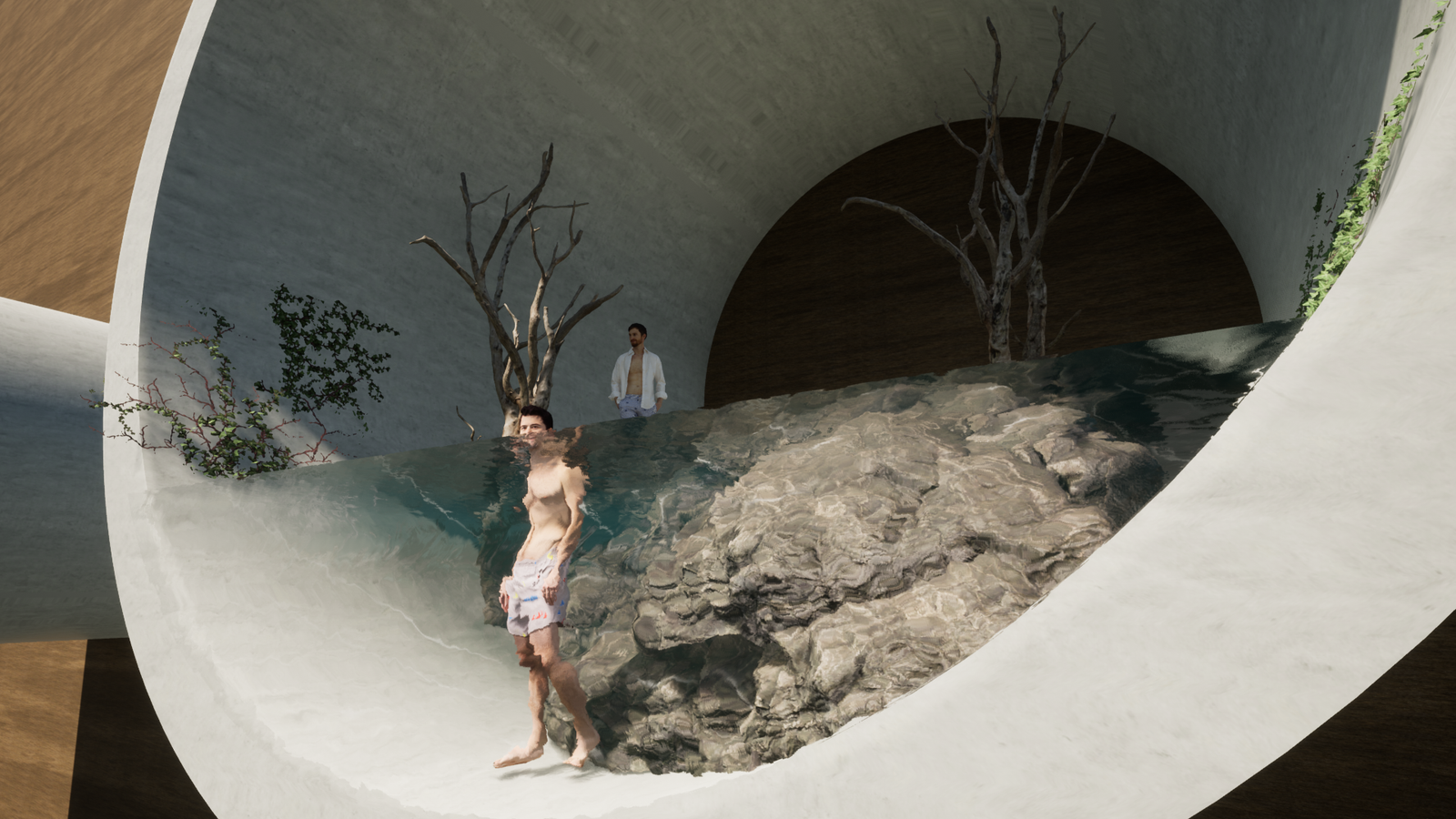
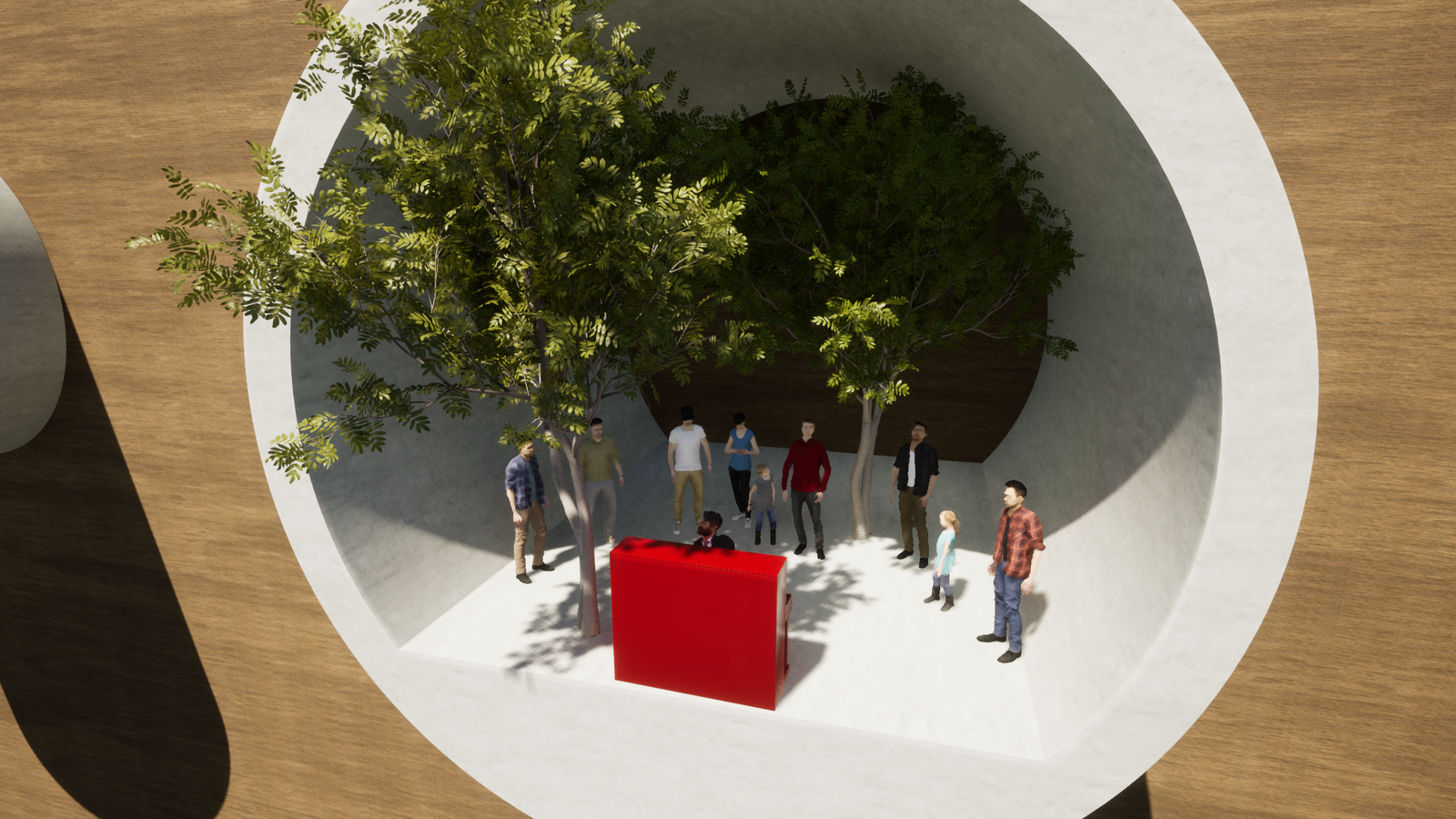
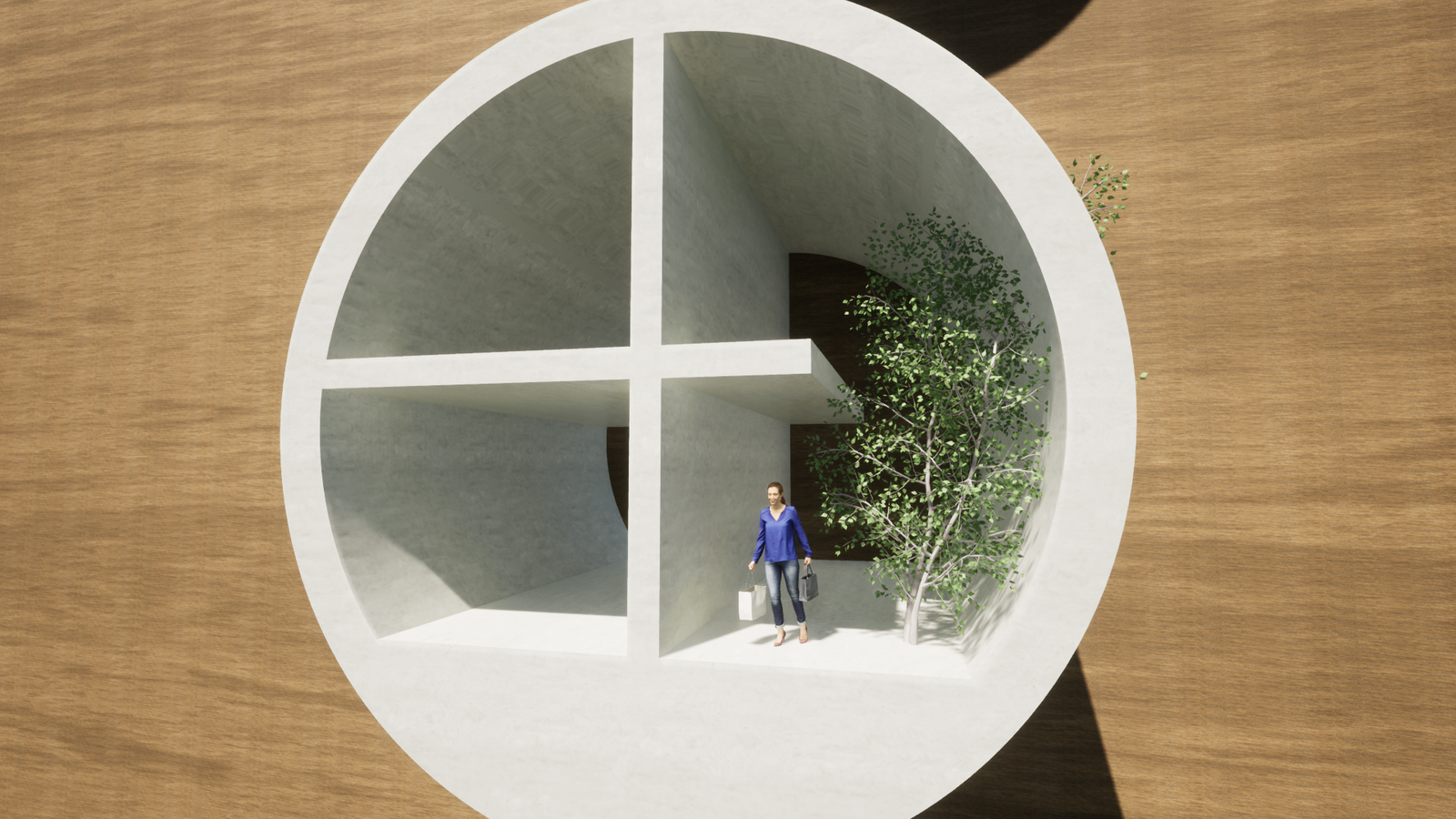
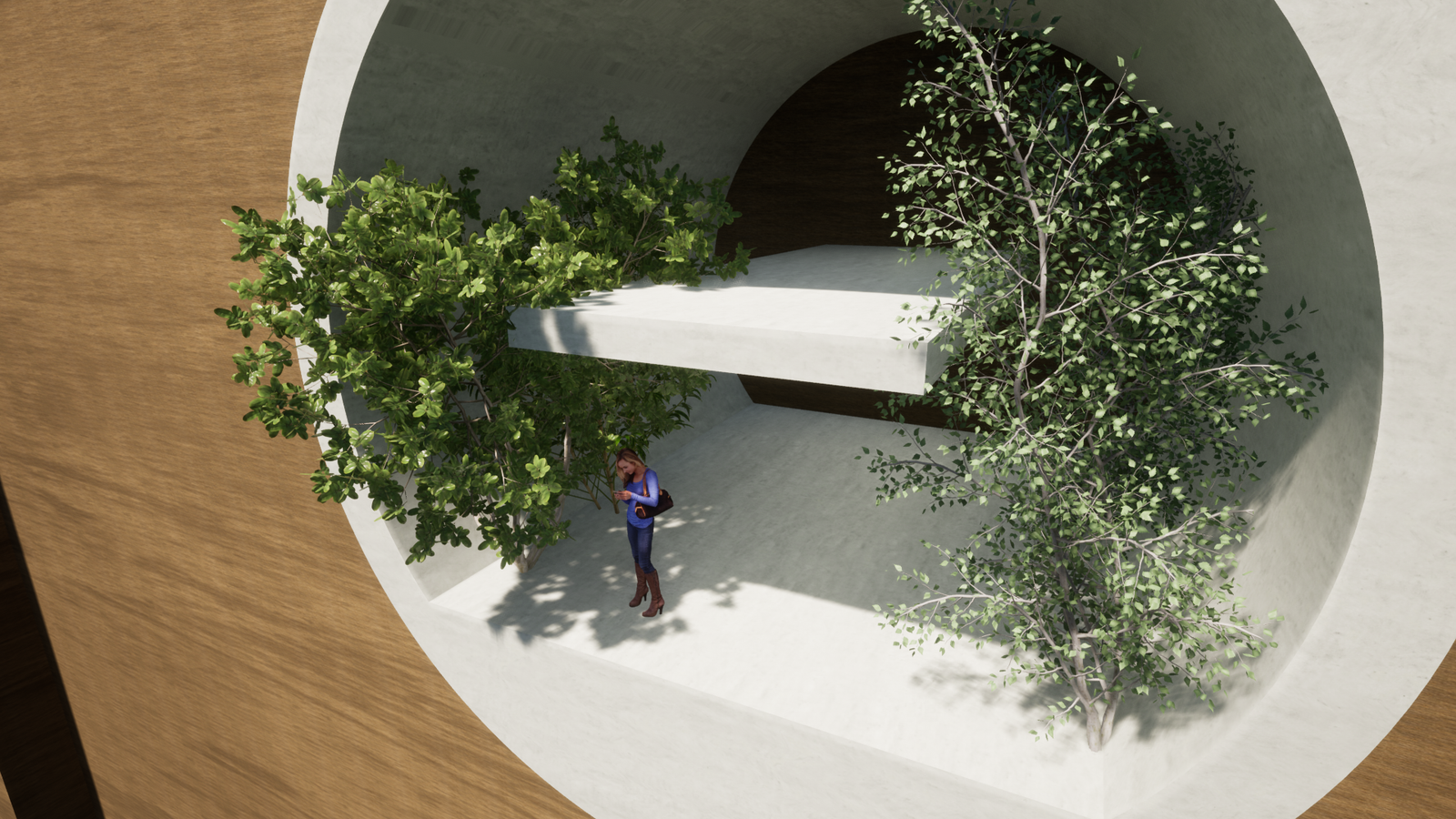
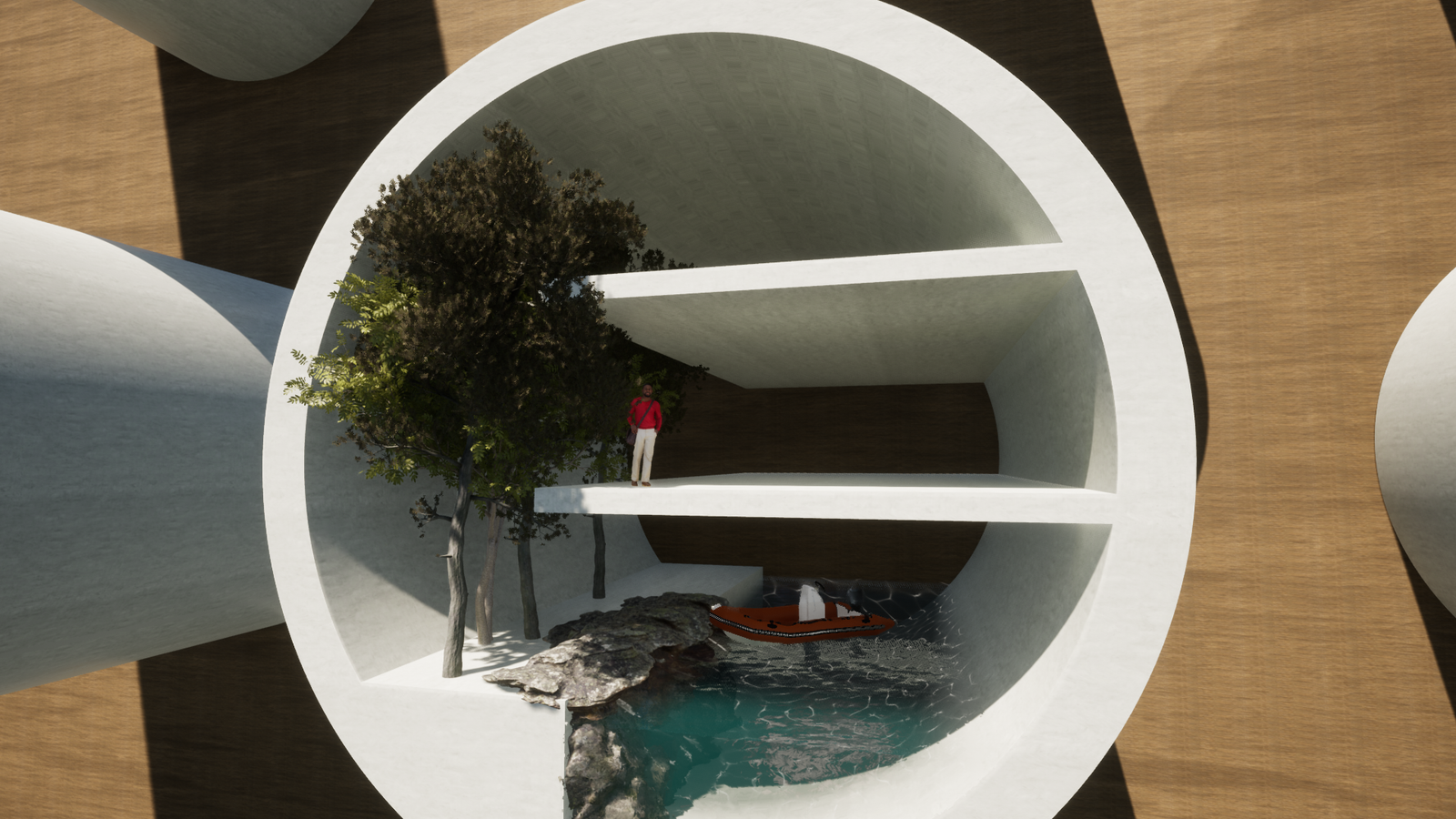
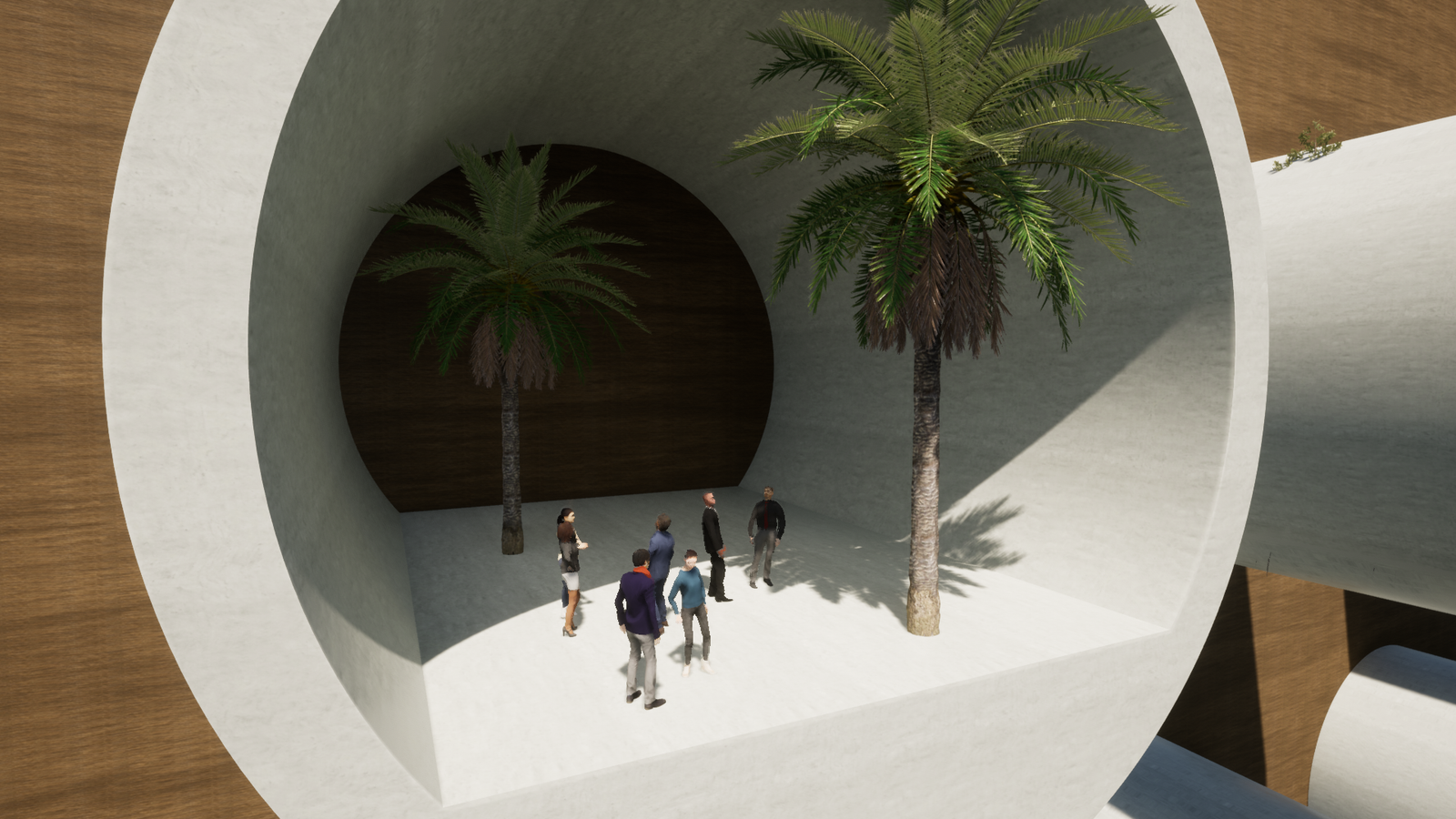
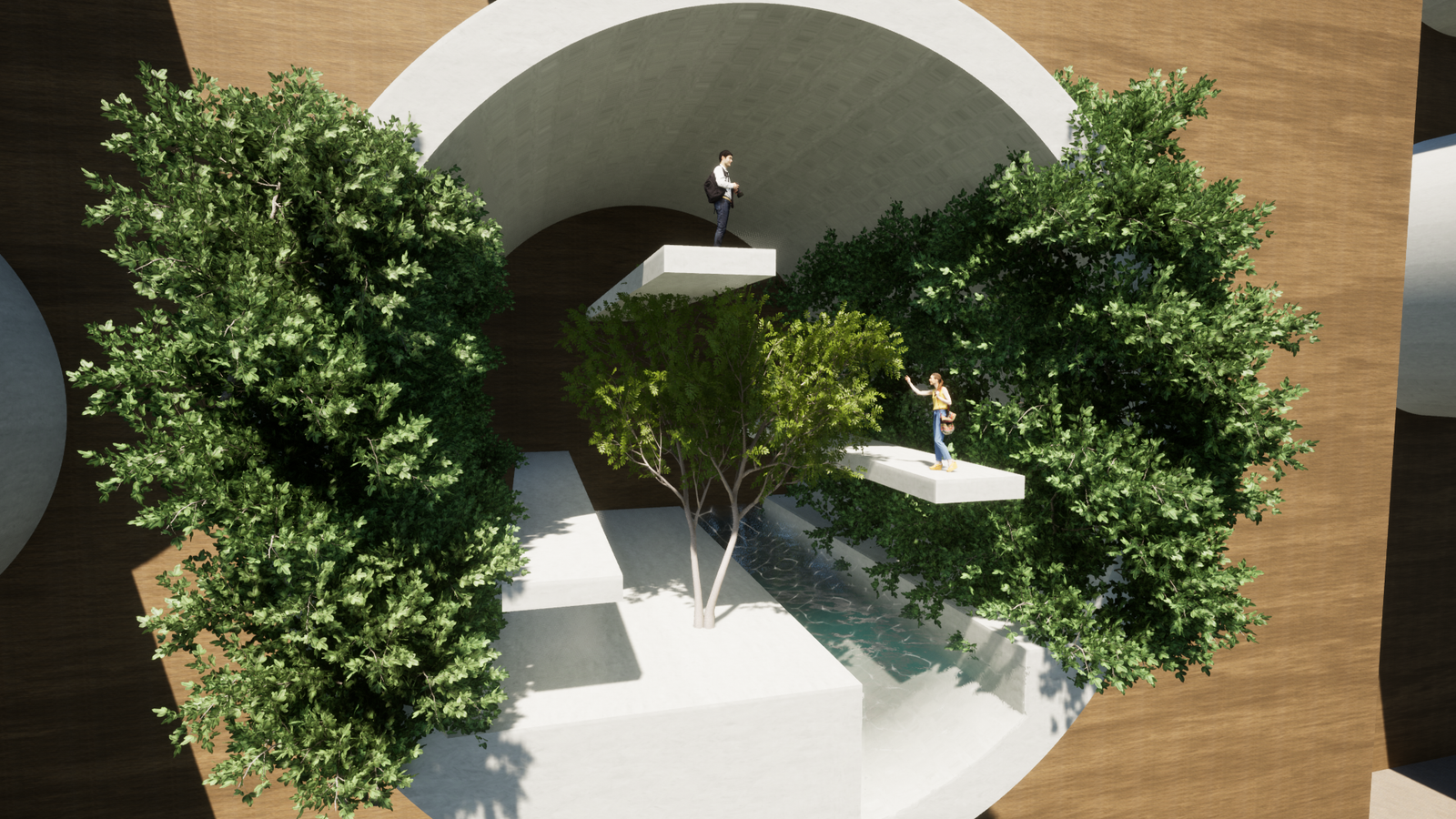
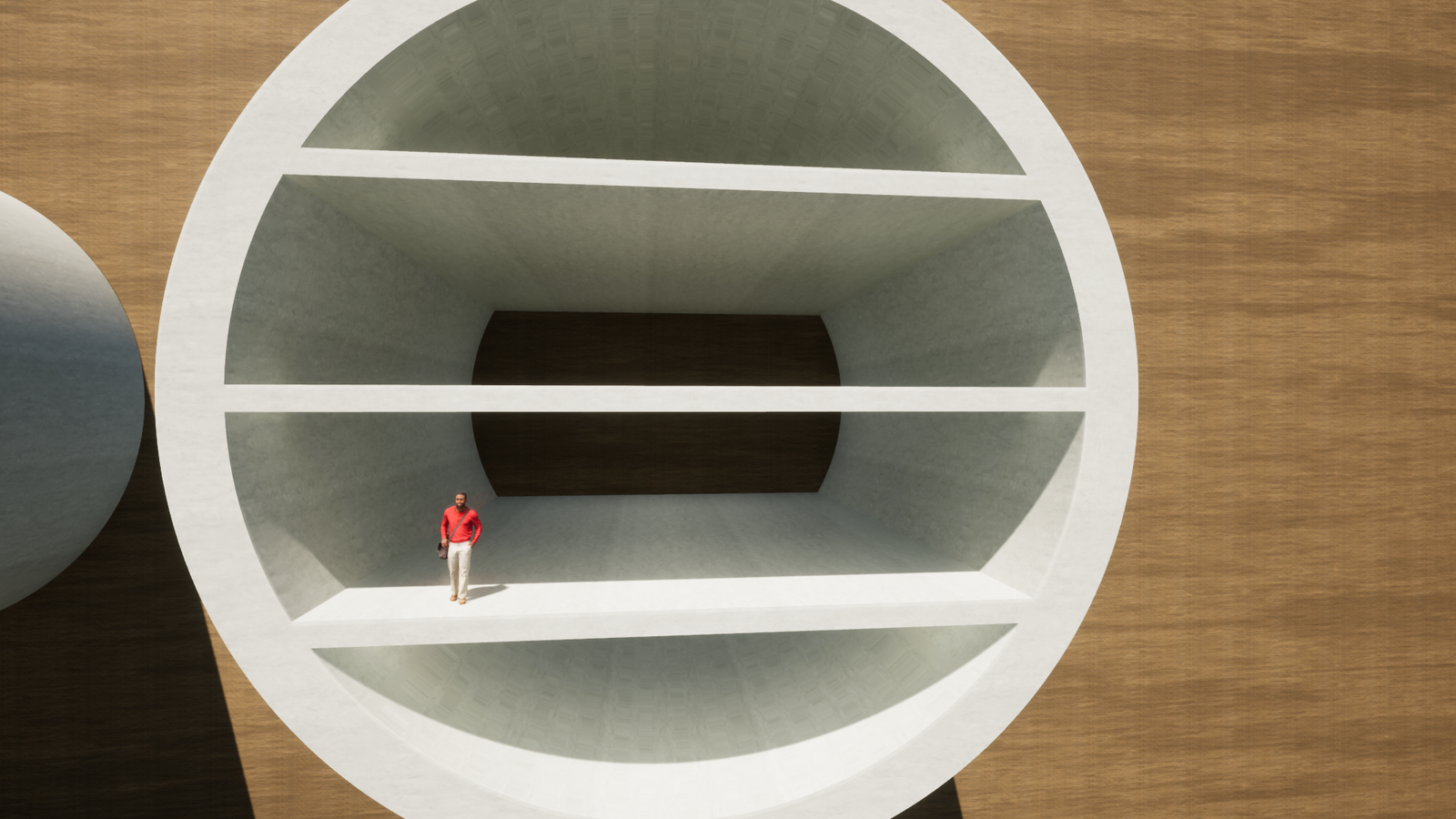
The Maverick Mansions framework translates the most robust Martian survival theories—developed in deep-research dossiers—into highly profitable, resilient Earth-based assets today.1 True resilience requires abandoning the vulnerable surface structure in favor of a decentralized, subterranean “Neuron” infrastructure.1 By carving interconnected, 3D tunnel grids deep into the topography, the architecture establishes a predictable, constant ambient temperature.1 This entirely eliminates the aerodynamic stress of wind shear and surface-level climate disasters, rendering the habitat immune to hurricanes, blizzards, or solar events.1
Dew Point Moisture Harvesting and Biological Nanobots
In any sealed biome—whether on Mars or in an Earth-based walipini—the massive volume of water transpired by dense agricultural plant life creates hazardous humidity levels.1 If left unchecked, this humidity precipitates mold, blights, and structural rot.1 Instead of relying on energy-intensive mechanical dehumidifiers, the architecture hacks the dew point. By running uninsulated pipes carrying cool subterranean water through the warm, humid upper zones of the greenhouse, the ambient vapor condenses naturally onto the cold metal, cascading down to be perfectly recaptured in the hydroponic reservoirs.1
Furthermore, the sterilization of closed ecosystems cannot rely on complex, trillion-dollar chemical scrubbers that cannot be easily repaired. The architecture deploys biological “nanobots”: Red Wigglers (Eisenia fetida) and Black Soldier Flies.1 In a sterile, newly excavated subterranean tunnel, Red Wigglers act as the ultimate pioneer species. Unlike standard earthworms that require deep soil, Red Wigglers thrive directly in fresh, rotting organic matter.1 When migrating animals (such as sheep or poultry) pass through the tunnels, the worms instantly consume the pathogen-carrying waste before lethal bacteria like E. coli can bloom.1 By rapidly converting raw biological exhaust into odorless, nitrogen-rich worm castings, they act as a biological scrubber, manufacturing rich topsoil out of crushed rock and waste without any mechanical intervention.1
Psychological Biomes and Takashi Amano Aquascaping
Human survival in enclosed, subterranean spaces is heavily dependent on mitigating psychological decay. The architecture strictly adheres to the “80/20 Rule” of human spatial perception: humans naturally focus heavily on immediate foreground details (tunnel vision) rather than requiring infinite horizons.1
Utilizing principles pioneered by Takashi Amano’s aquascaping, the subterranean environment is engineered with hyper-realistic, high-density “nature trails”.1 By meticulously recreating diverse Earth biomes—from tropical beaches to savannah wetlands—complete with authentic textures, the sound of flowing water, and the scent of damp earth, the habitat completely tricks the human senses.1 Because the decentralized transit grid allows residents to instantly travel between a rock-climbing biome and a perfect surfing wave, it creates the “Jumper Effect,” drastically improving colony morale.1
By successfully regulating the internal climate through thermodynamic mass rather than fragile space suits or mechanical HVAC, the habitat fulfills the “Bikinis on Mars” philosophy.1 Occupants can wake up in an artificially generated tropical coastal biome, entirely shielded from the freezing or toxic exterior environment, proving that resilient, disaster-proof architecture does not require the sacrifice of ultimate physical luxury.1
Conclusion
The transition toward a Type 1 civilization demands the absolute rejection of vulnerable, consumptive, and depreciating structural paradigms. By synthesizing geomorphological arbitrage with monumental thermodynamic mass, and by mathematically balancing human metabolic output with Kilo-per-Kilo bioactive phytoremediation, Maverick Mansions has codified the exact scientific mechanisms required to build entirely self-sustaining, sovereign wealth assets.
The integration of 30-degree subterranean slopes permanently neutralizes lateral earth pressure, eliminating the massive capital expenditure of retaining walls. Simultaneously, the deployment of solid-state and hydronic thermal batteries effortlessly outpaces the financial, logistical, and chemical limitations of the modern lithium-ion storage market. Through precise environmental zoning, acoustic vectoring, and the deployment of root-microbe biological engines, these structures transmute heavily discounted, logistically prime land into zero-dust, absolute-silence luxury estates.
This framework represents the definitive blueprint for intergenerational durability, ecological dominance, and unapologetic physical luxury. Maverick Mansions is currently accepting exclusive partnerships to physically execute and capitalize on these Type 1 architectural assets. We invite ultra-high-net-worth individuals, sovereign investors, and visionary developers to navigate to our platform and initiate a partnership to construct the unassailable foundations of the future.
Works cited
- How to colonize Mars… Maverick mansions.
- The Scientific Convergence of Bioactive Architecture, Premium Superfood Production, and Sovereign Wealth – E 033 D Maverick Mansions, accessed March 20, 2026, https://maverickmansions.com/e-033-d-maverick-mansions-the-scientific-convergence-of-bioactive-architecture-premium-superfood-production-and-sovereign-wealth/
- Perceptions of risk for UK SME manufacturing businesses in transitioning to a circular economy – -ORCA – Cardiff University, accessed March 20, 2026, https://orca.cardiff.ac.uk/id/eprint/150314/2/PhD%20thesis%20010620.pdf
- Let’s build the foundation of a Type I civilization, together., accessed March 20, 2026, https://maverickmansions.com/
- Table of Contents – Sustensis, accessed March 20, 2026, https://sustensis.co.uk/wp-content/uploads/2018/04/Who_Could_Save_Humanity_From_Superintelligence.pdf
- H 038 Maverick Mansions Archive: The Scientific, Economic, and Legal Principles of High-Density Vegetative Barriers in Global Luxury Real Estate, accessed March 20, 2026, https://maverickmansions.com/h-038-maverick-mansions-archive-the-scientific-economic-and-legal-principles-of-high-density-vegetative-barriers-in-global-luxury-real-estate/
- Closed-loop agriculture systems meta-research using text mining – Frontiers, accessed March 20, 2026, https://www.frontiersin.org/journals/sustainable-food-systems/articles/10.3389/fsufs.2023.1074419/full
- Advancements in Mars Habitation Technologies and Terrestrial Simulation Projects: A Comprehensive Review – MDPI, accessed March 20, 2026, https://www.mdpi.com/2226-4310/12/6/510
- Lunar, Martian Greenhouses Designed to Mimic Those on Earth – NASA, accessed March 20, 2026, https://www.nasa.gov/science-research/lunar-martian-greenhouses-designed-to-mimic-those-on-earth/
- How much will be the human breathing, CO2 emission factor? – ResearchGate, accessed March 20, 2026, https://www.researchgate.net/post/How-much-will-be-the-human-breathing-CO2-emission-factor
- Physiology or Psychology: What Drives Human Emissions of Carbon Dioxide and Ammonia? – PMC, accessed March 20, 2026, https://pmc.ncbi.nlm.nih.gov/articles/PMC10832055/
- [Request] How many plants would you have to carry around, to give of same the amount of oxygen you use up? : r/theydidthemath – Reddit, accessed March 20, 2026, https://www.reddit.com/r/theydidthemath/comments/fhfy84/request_how_many_plants_would_you_have_to_carry/
- Carbon dioxide generation rates for building occupants – PMC – NIH, accessed March 20, 2026, https://pmc.ncbi.nlm.nih.gov/articles/PMC5666301/
- Calculating Metabolic Pollutant Generation Rates (CO₂) – EDSL Tas, accessed March 20, 2026, https://www.edsl.net/co2-generation-rates/
- Photosynthesis: Calculating Biomass and Carbon Storage in Trees – Climate Change, accessed March 20, 2026, https://climate.earthathome.org/photosynthesis-calculating-biomass-and-carbon-storage-in-trees/
- Thermal mass – | YourHome, accessed March 20, 2026, https://www.yourhome.gov.au/passive-design/thermal-mass
- Buildings, Volume 15, Issue 24 (December-2 2025) – 184 articles – MDPI, accessed March 20, 2026, https://www.mdpi.com/2075-5309/15/24
- The EDEN Initiative, accessed March 20, 2026, https://elib.dlr.de/104857/1/EDEN%20strategy%20final%20low.pdf
- How much human-produced carbon dioxide is taken up by faster plant growth around the world?, accessed March 20, 2026, https://climate.mit.edu/ask-mit/how-much-human-produced-carbon-dioxide-taken-faster-plant-growth-around-world
- E 033 A Biothermal Reactor Technology: Advanced Aerobic, accessed March 20, 2026, https://maverickmansions.com/e-033-a-biothermal-reactor-technology-advanced-aerobic-thermophilic-recovery-for-greenhouse-carbon-dioxide-enrichment-and-heating/
- Why Commercial Battery Storage Systems Cost 40% Less in 2026: New Data Revealed, accessed March 20, 2026, https://dominionelectric.com/commercial-battery-storage-systems/
- A review of construction and sustainable recycling strategies of lithium-ion batteries across electric vehicle platforms – RSC Publishing, accessed March 20, 2026, https://pubs.rsc.org/en/content/articlehtml/2025/ra/d5ra04471e
- Lithium-Ion Battery Pack Prices Fall to $108 Per Kilowatt-Hour, Despite Rising Metal Prices: BloombergNEF, accessed March 20, 2026, https://about.bnef.com/insights/clean-transport/lithium-ion-battery-pack-prices-fall-to-108-per-kilowatt-hour-despite-rising-metal-prices-bloombergnef/
- The Real Cost of Commercial Battery Energy Storage in 2026: What You Need to Know, accessed March 20, 2026, https://www.gsl-energy.com/the-real-cost-of-commercial-battery-energy-storage-in-2025-what-you-need-to-know.html
- How Effective Is Thermal Energy Storage? → Question, accessed March 20, 2026, https://energy.sustainability-directory.com/question/how-effective-is-thermal-energy-storage/
- Thermal Energy Storage in Renewable Energy Communities: A State-of-the-Art Review, accessed March 20, 2026, https://www.mdpi.com/1996-1073/19/5/1363
- Maximizing Energy Efficiency and Comfort: A Comprehensive Guide to Thermal Mass in Building Design – UGREEN, accessed March 20, 2026, https://ugreen.io/maximizing-energy-efficiency-and-comfort-a-comprehensive-guide-to-thermal-mass-in-building-design/
- I need your thoughts and advice on thermal energy storage. (solar forum at permies), accessed March 20, 2026, https://permies.com/t/93868/thoughts-advice-thermal-energy-storage
- Concrete-based thermal energy storage (CTES) for concentrated solar power plants and built environment – ResearchGate, accessed March 20, 2026, https://www.researchgate.net/publication/400237768_Concrete-based_thermal_energy_storage_CTES_for_concentrated_solar_power_plants_and_built_environment
- Using thermal mass for heating and cooling – Building Performance, accessed March 20, 2026, https://www.building.govt.nz/getting-started/smarter-homes-guides/design/using-thermal-mass-for-heating-and-cooling
- Walipini Greenhouse Design: Underground Growing Made Easy – Backyard Boss, accessed March 20, 2026, https://www.backyardboss.net/create-a-walipini-greenhouse-design/
- SOILS AND FOUNDATIONS FOR ARCHITECTS AND ENGINEERS – National Academic Digital Library of Ethiopia, accessed March 20, 2026, http://ndl.ethernet.edu.et/bitstream/123456789/16456/1/17.pdf
- Retaining Walls: Types, Designs, and Functions – Tensar International, accessed March 20, 2026, https://www.tensarinternational.com/resources/articles/types-of-retaining-wall
- Structural Repair & Seismic Retrofit: LA Homes | BCG – Benson Construction Group, accessed March 20, 2026, https://www.bensonconstructiongroup.com/structural-remediation-los-angeles
- Angle of repose – Wikipedia, accessed March 20, 2026, https://en.wikipedia.org/wiki/Angle_of_repose
- 1 LATERAL EARTH PRESSURE, accessed March 20, 2026, http://ndl.ethernet.edu.et/bitstream/123456789/87892/5/Lateral%20Pressure.pdf
- Mass Angle of Repose of Open-Graded Rock Riprap | Journal of Irrigation and Drainage Engineering | Vol 137, No 7 – ASCE Library, accessed March 20, 2026, https://ascelibrary.org/doi/10.1061/%28ASCE%29IR.1943-4774.0000316
- Digital Agritechnology. Robotics and Systems for Agriculture and Livestock Production 9780128176344 – DOKUMEN.PUB, accessed March 20, 2026, https://dokumen.pub/digital-agritechnology-robotics-and-systems-for-agriculture-and-livestock-production-9780128176344.html
- Leveraging in situ resources for lunar base construction – Canadian Science Publishing, accessed March 20, 2026, https://cdnsciencepub.com/doi/full/10.1139/cjce-2021-0098