Subterranean Sovereignty: The Mars Tunneling Protocol
The colonization of Mars is not a challenge of surface habitation, but a challenge of geological integration. Surface structures on the Martian plane are high-entropy liabilities, exposed to lethal solar radiation, extreme thermal volatility, and atmospheric erosion. The Maverick Mansions methodology dictates a retreat into the bedrock—utilizing the planet’s own crust as a multi-meter thick radiation shield and a permanent, stable thermal envelope. These tunnels are not merely transit corridors; they are the primary structural chassis for a Type 1 planetary civilization.
By leveraging automated boring technology and geomorphological arbitrage, we bypass the need for massive atmospheric pressurized domes. Instead, we engineer vaulted, reinforced subterranean biomes where the atmospheric pressure is maintained by the structural integrity of the Martian basalt itself. This approach minimizes the need for imported tensile materials and focuses capital on the internal atmospheric synthesis and biological life-support systems required for multi-generational survival.
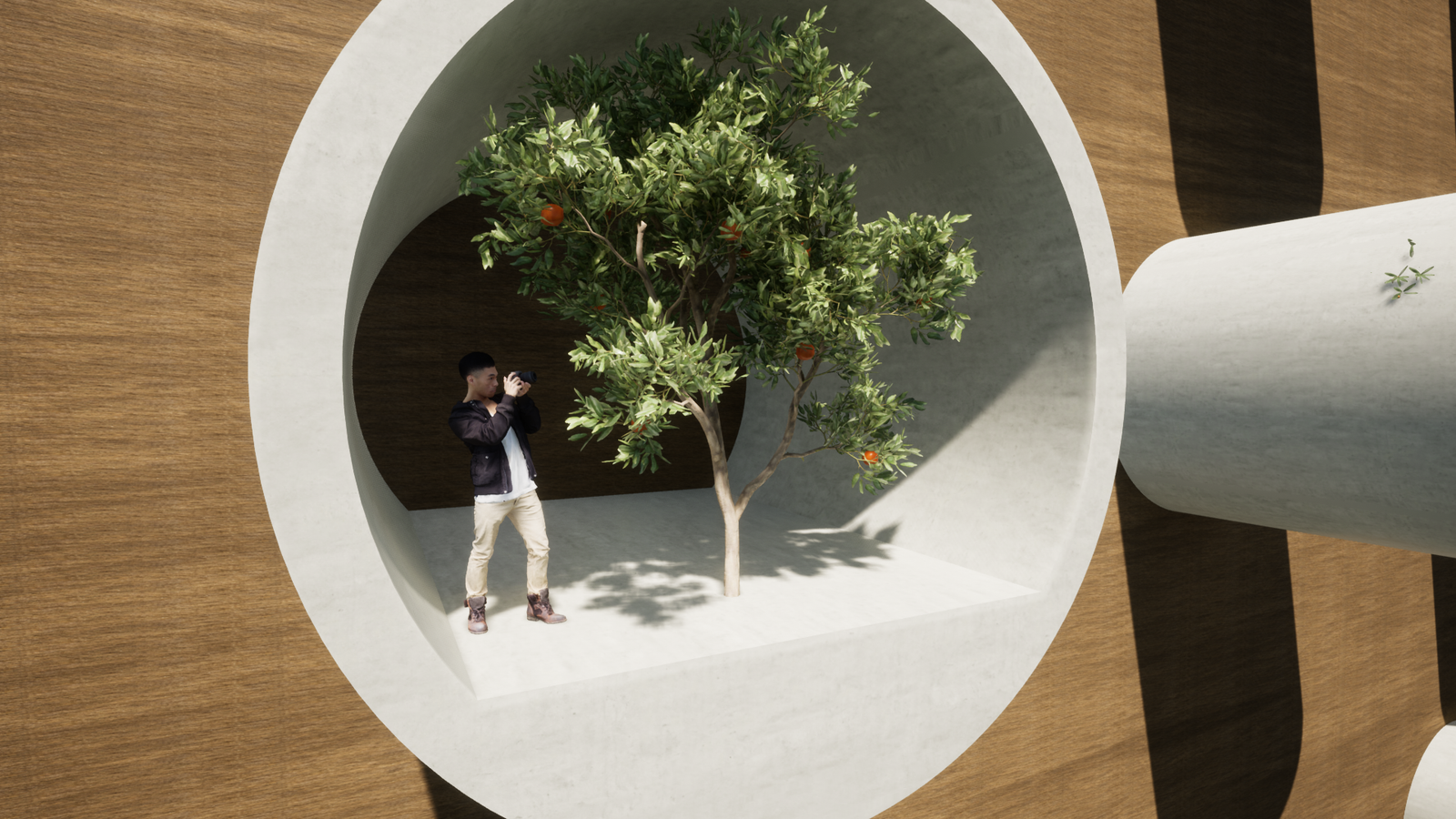
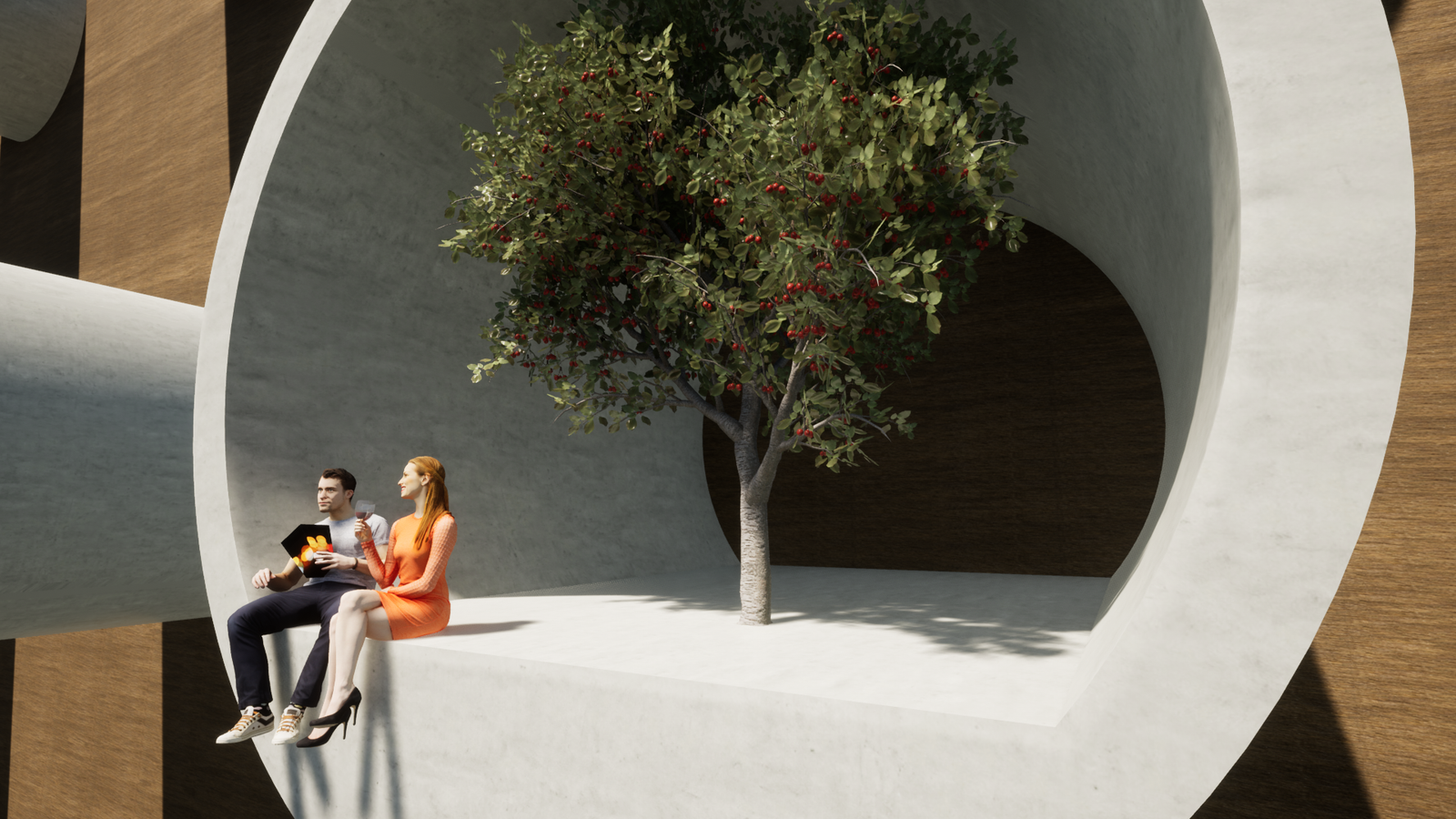
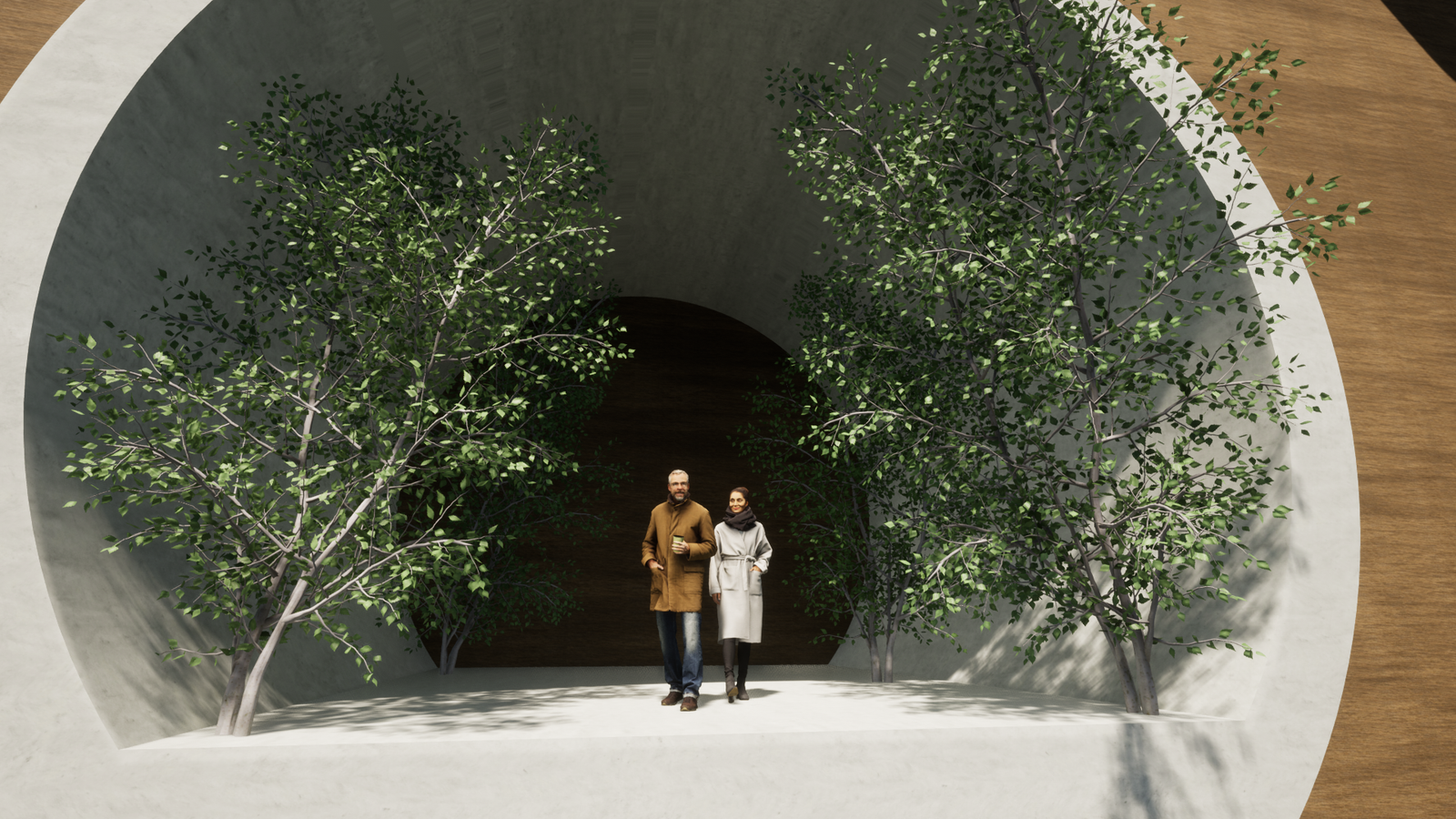
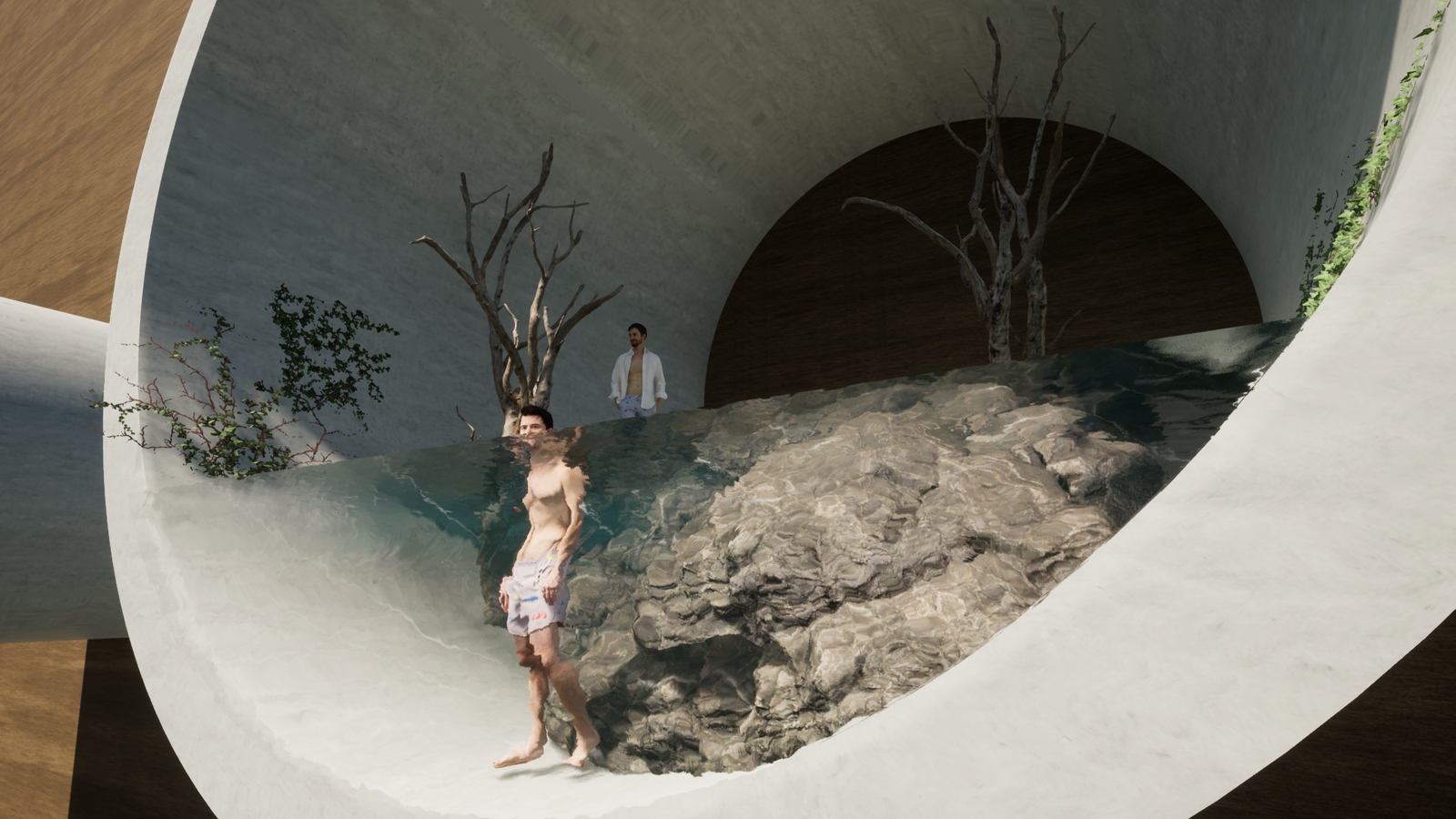
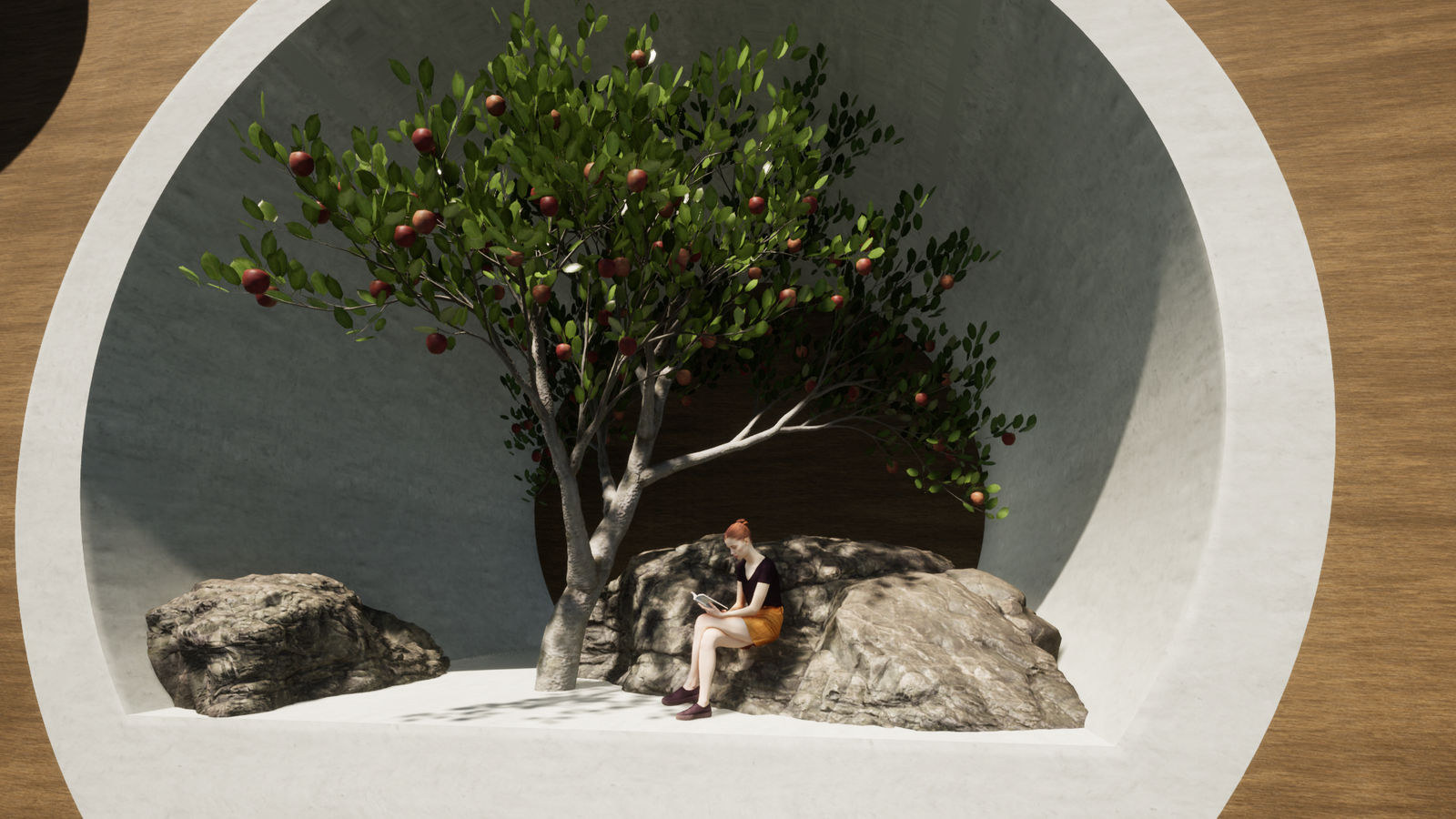
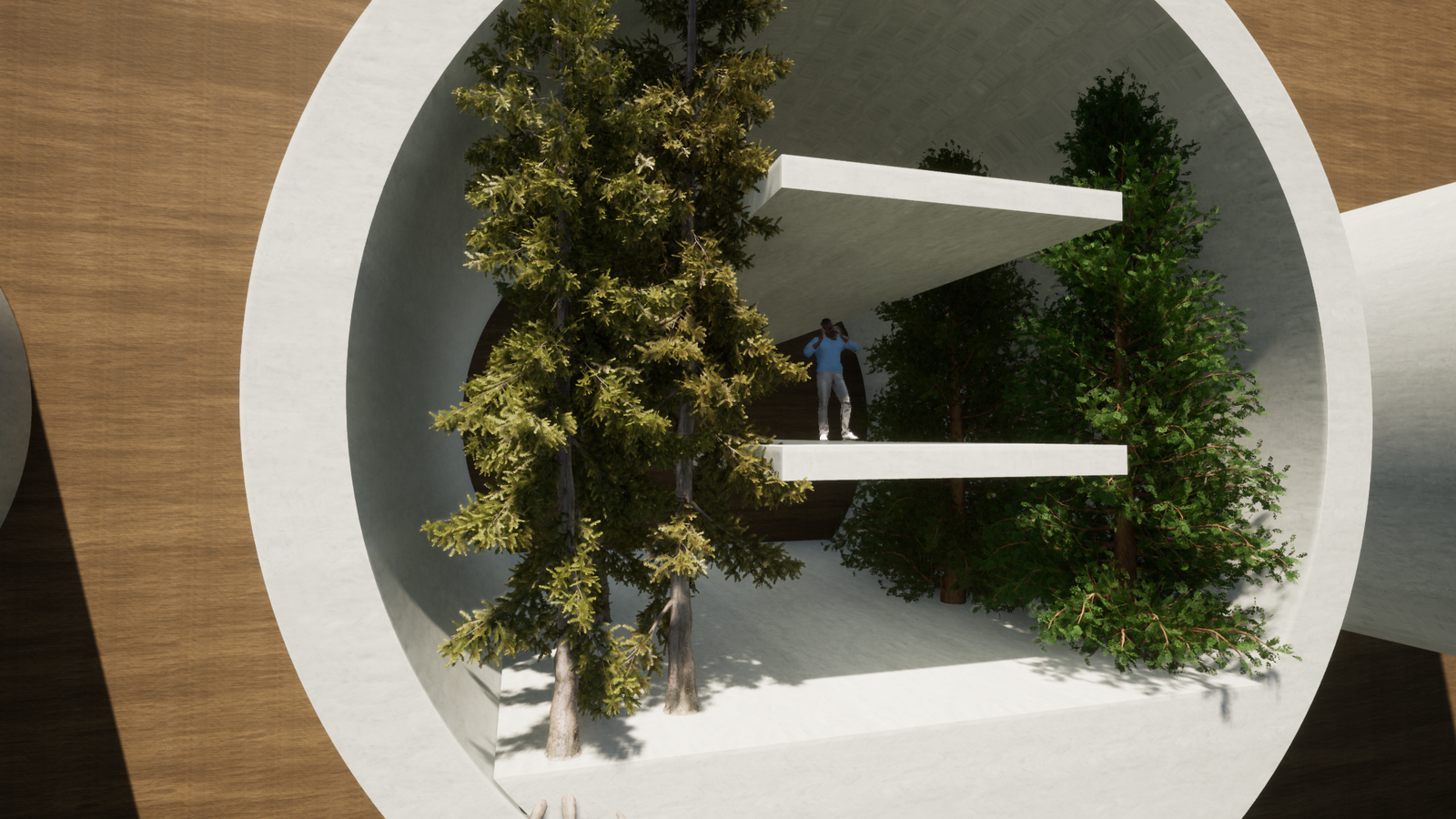
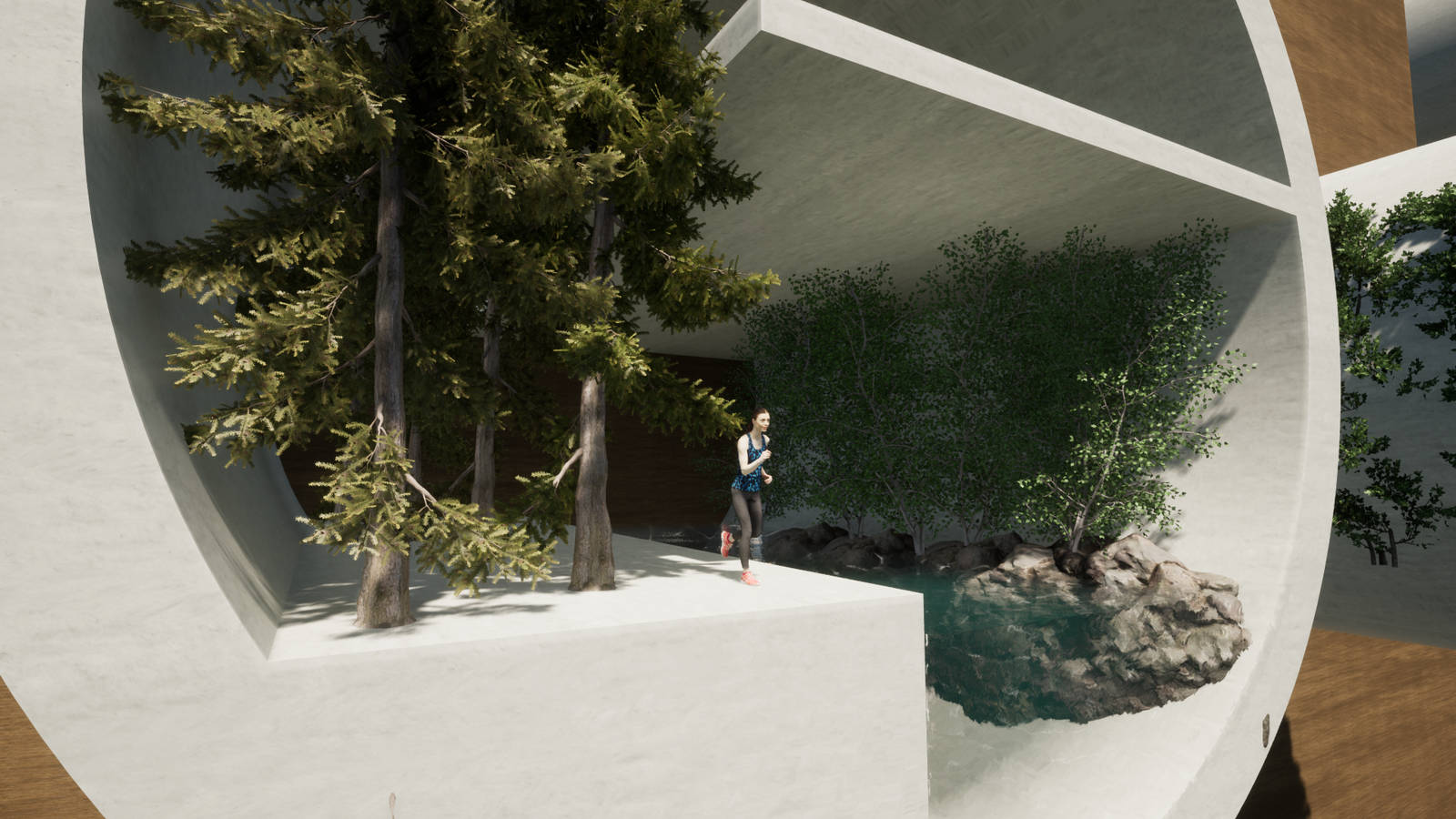
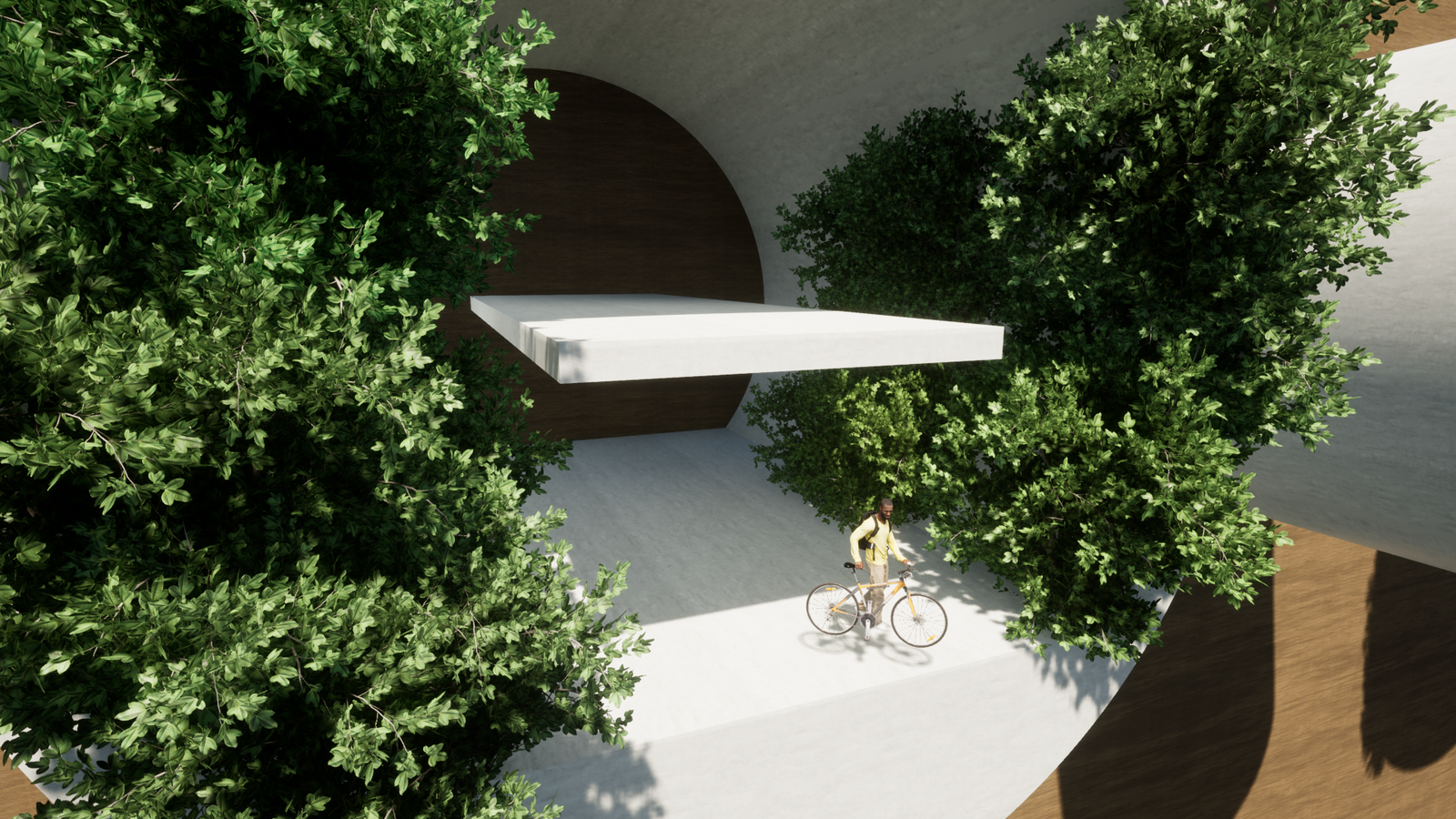
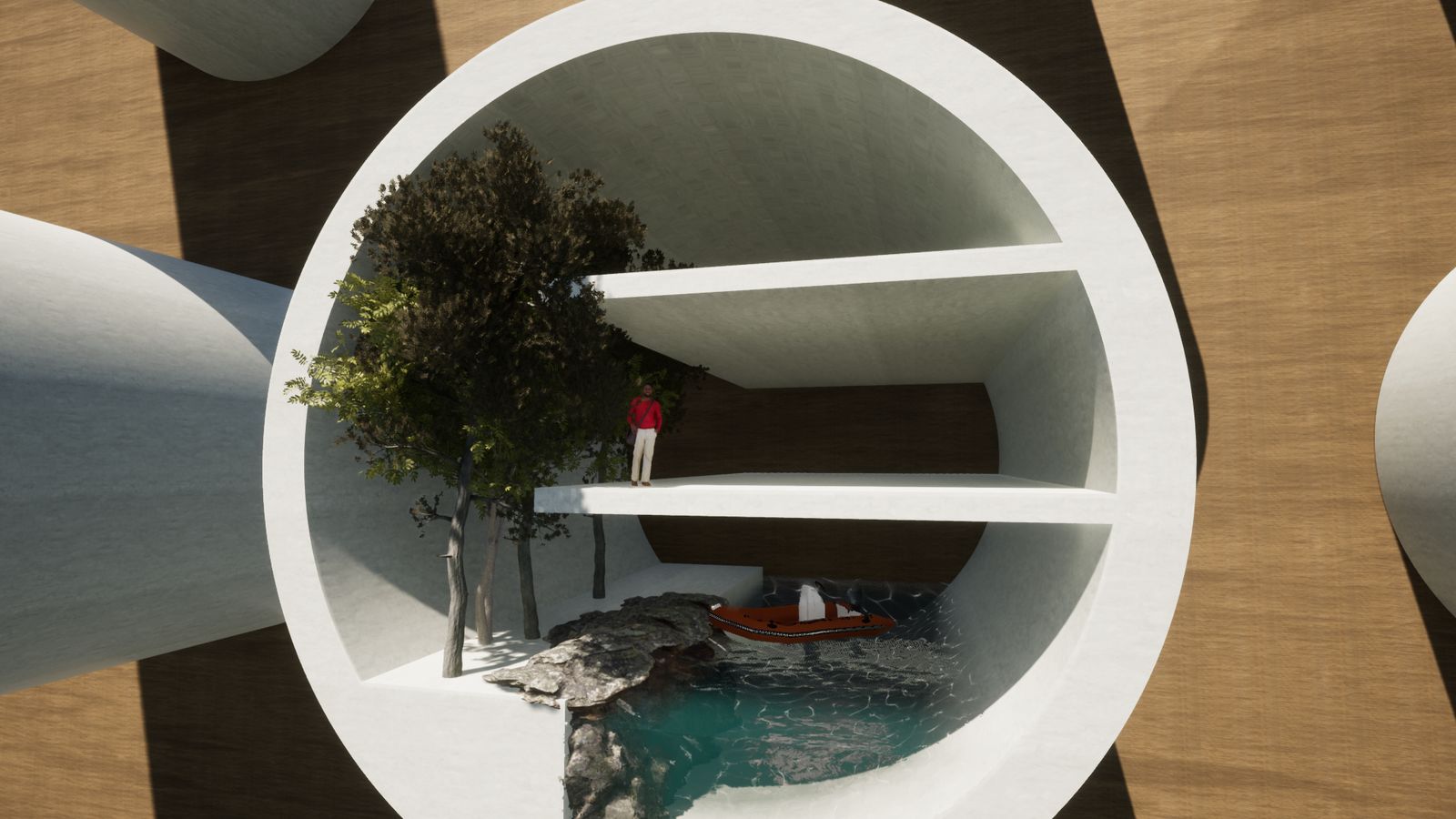
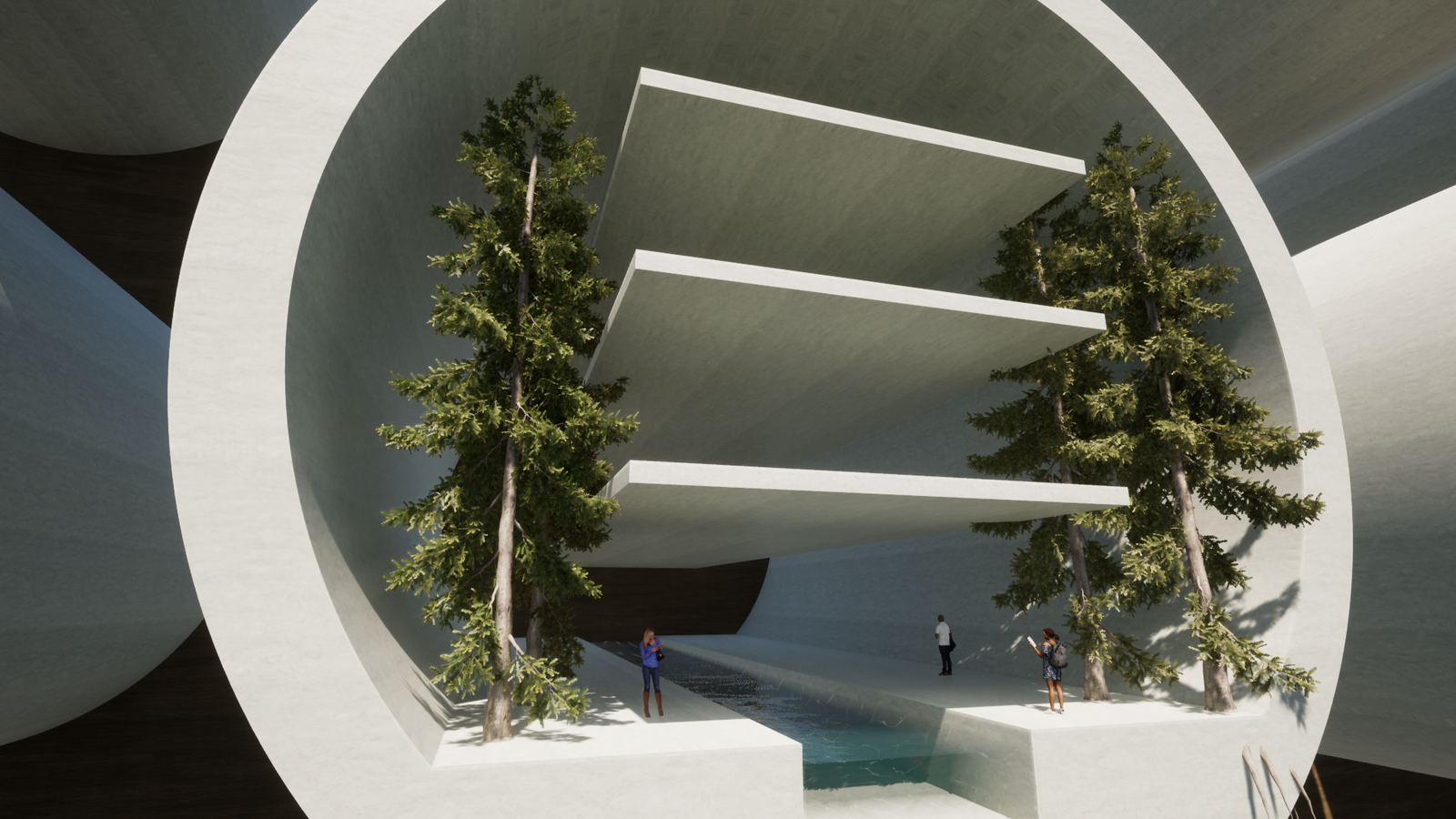
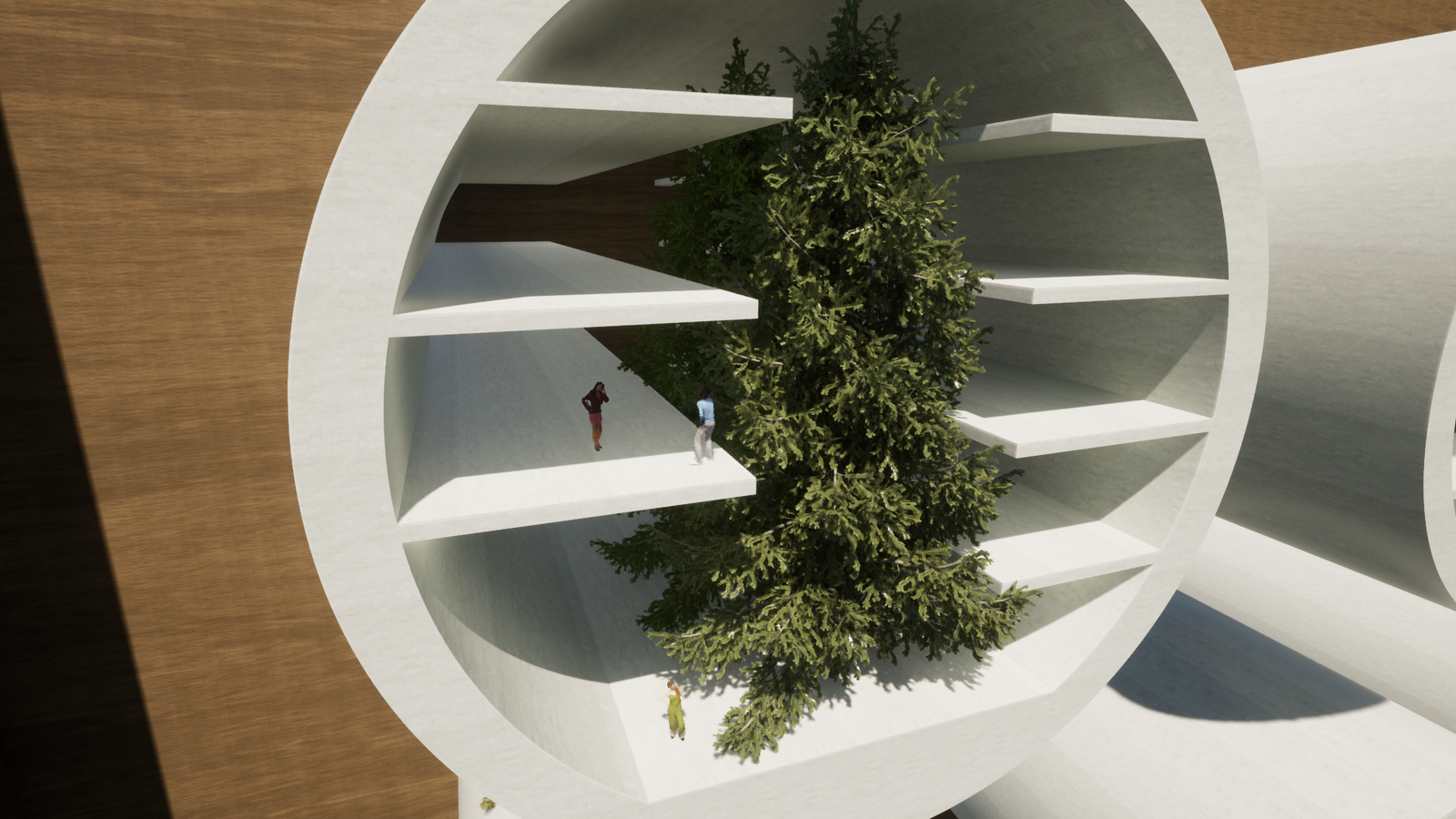
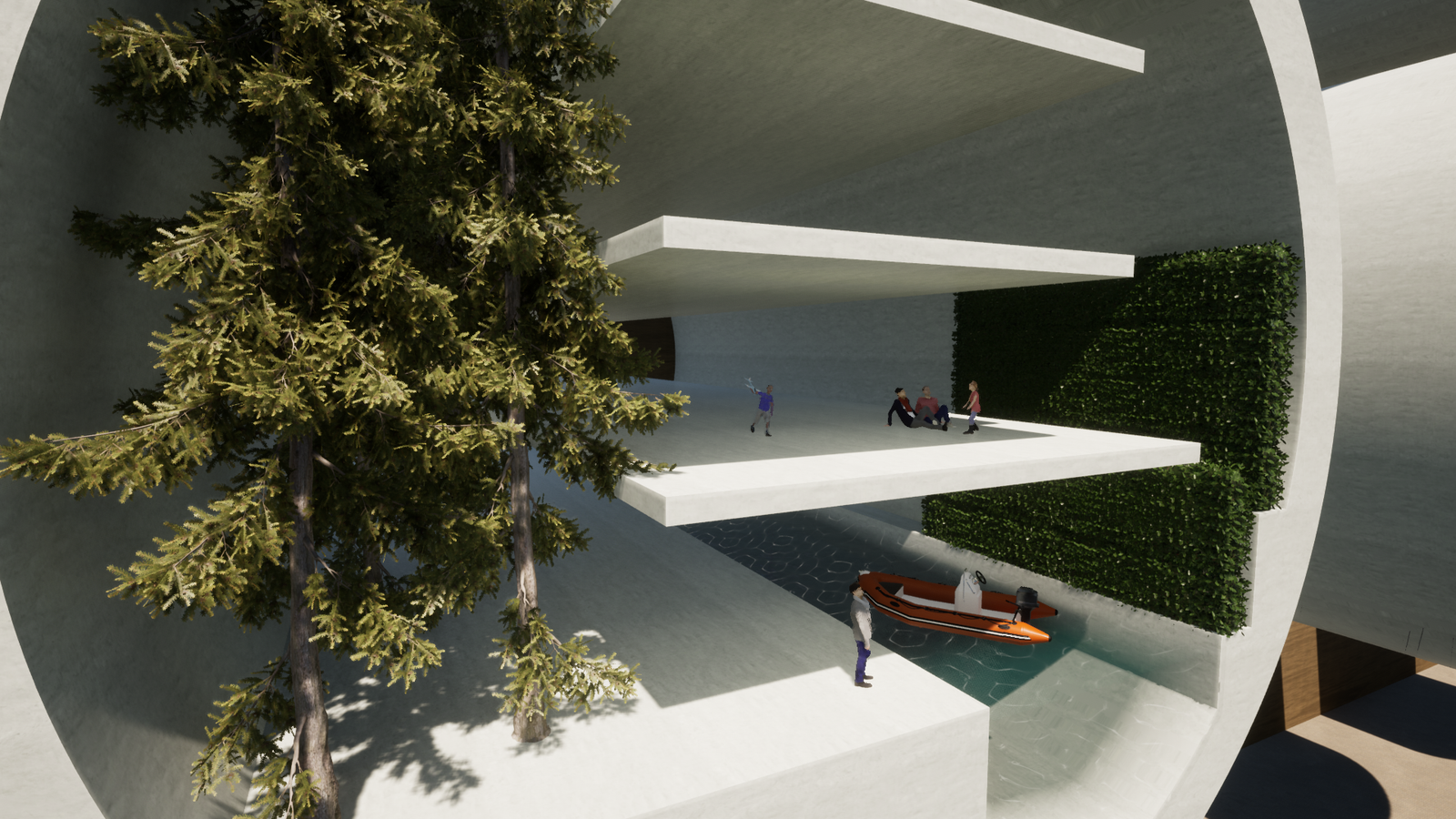
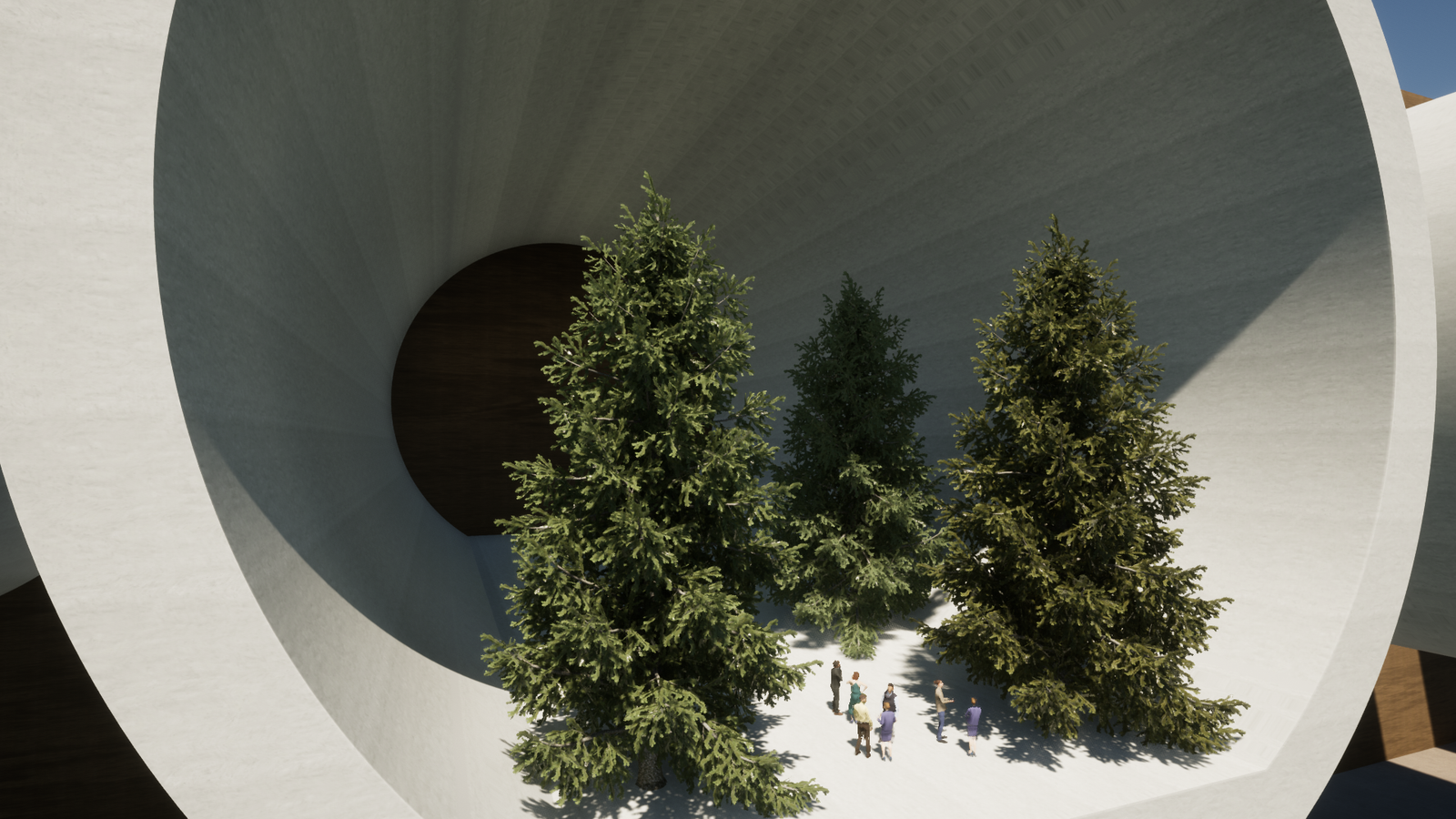
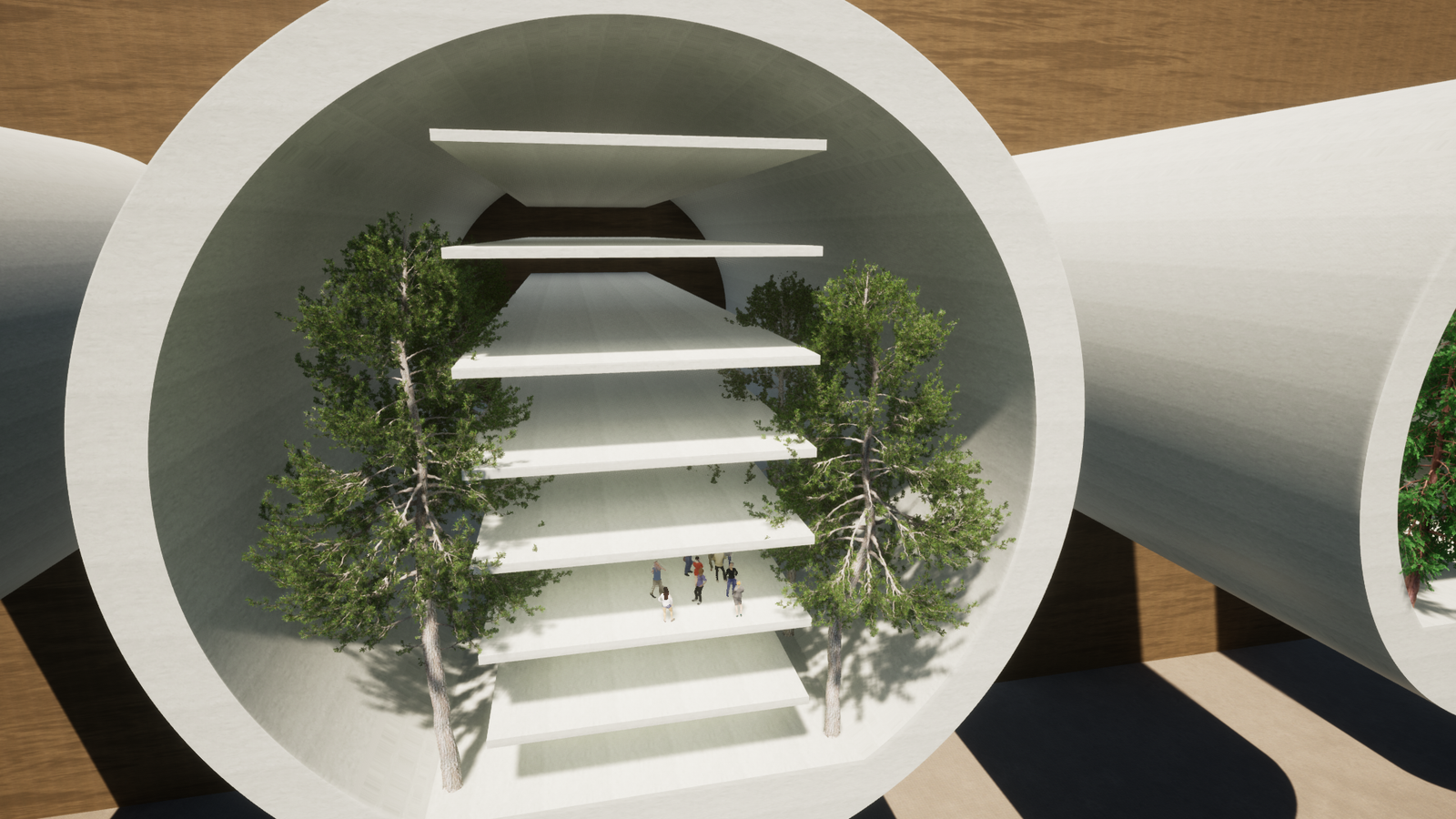
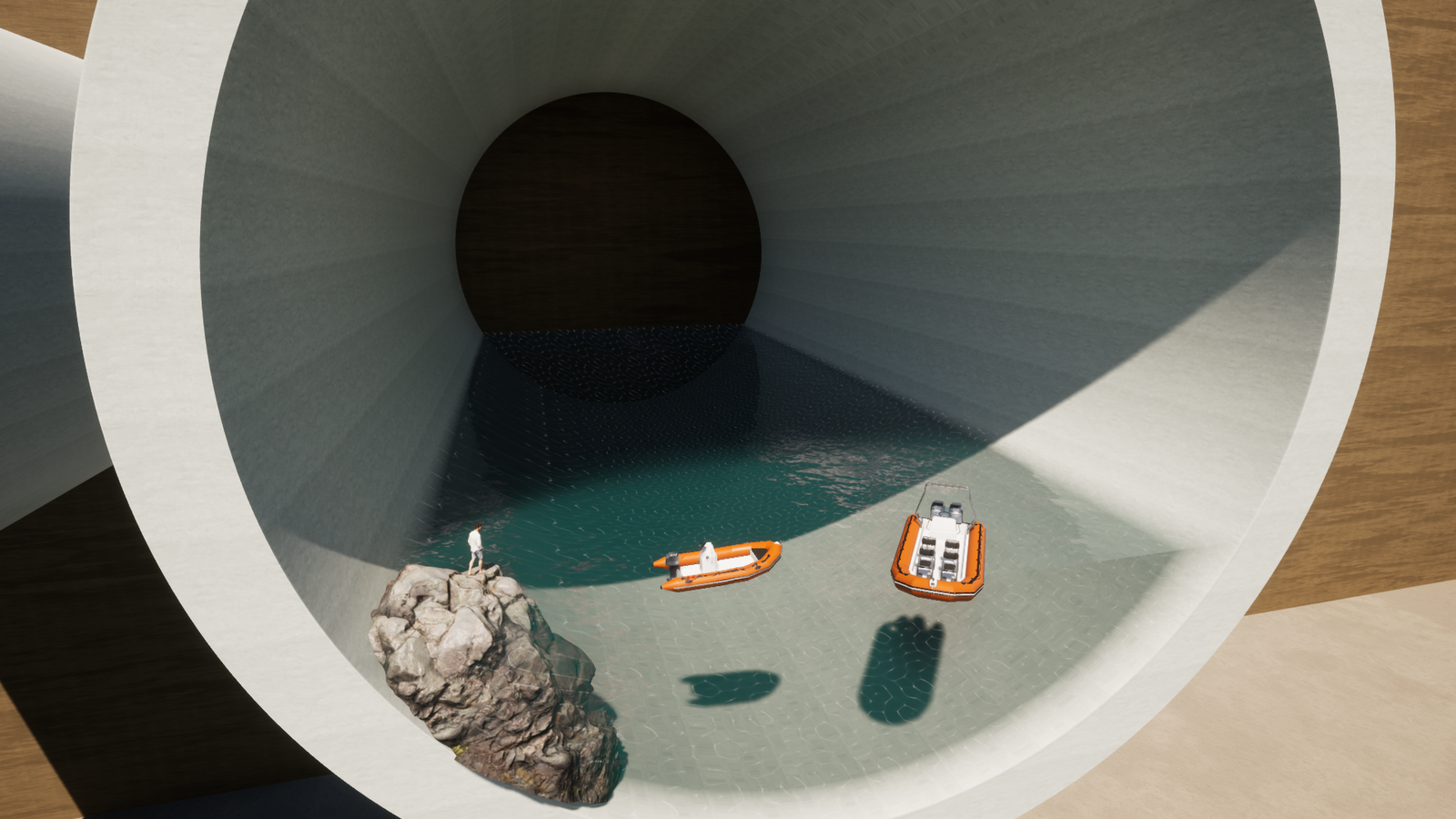
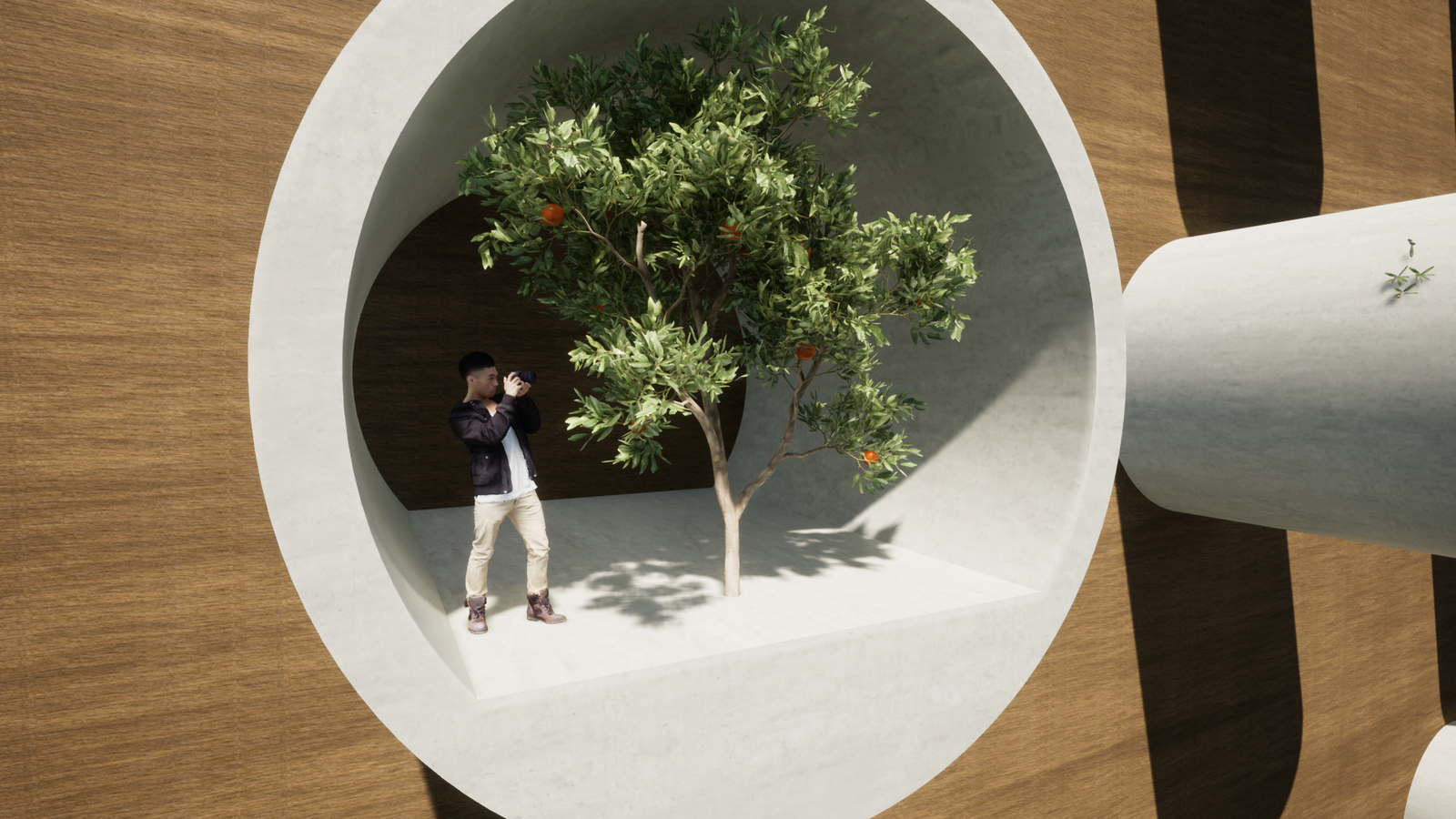
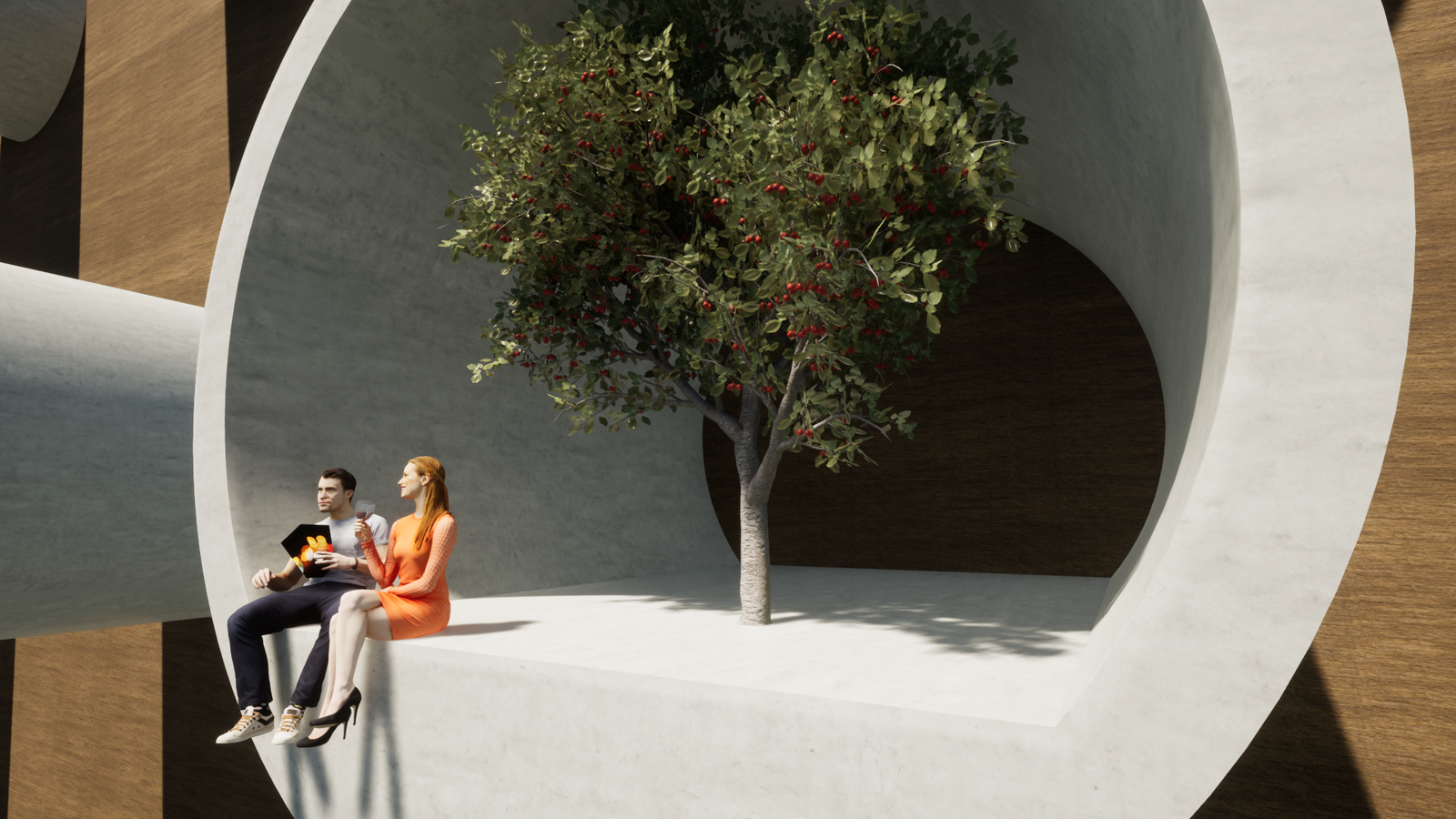
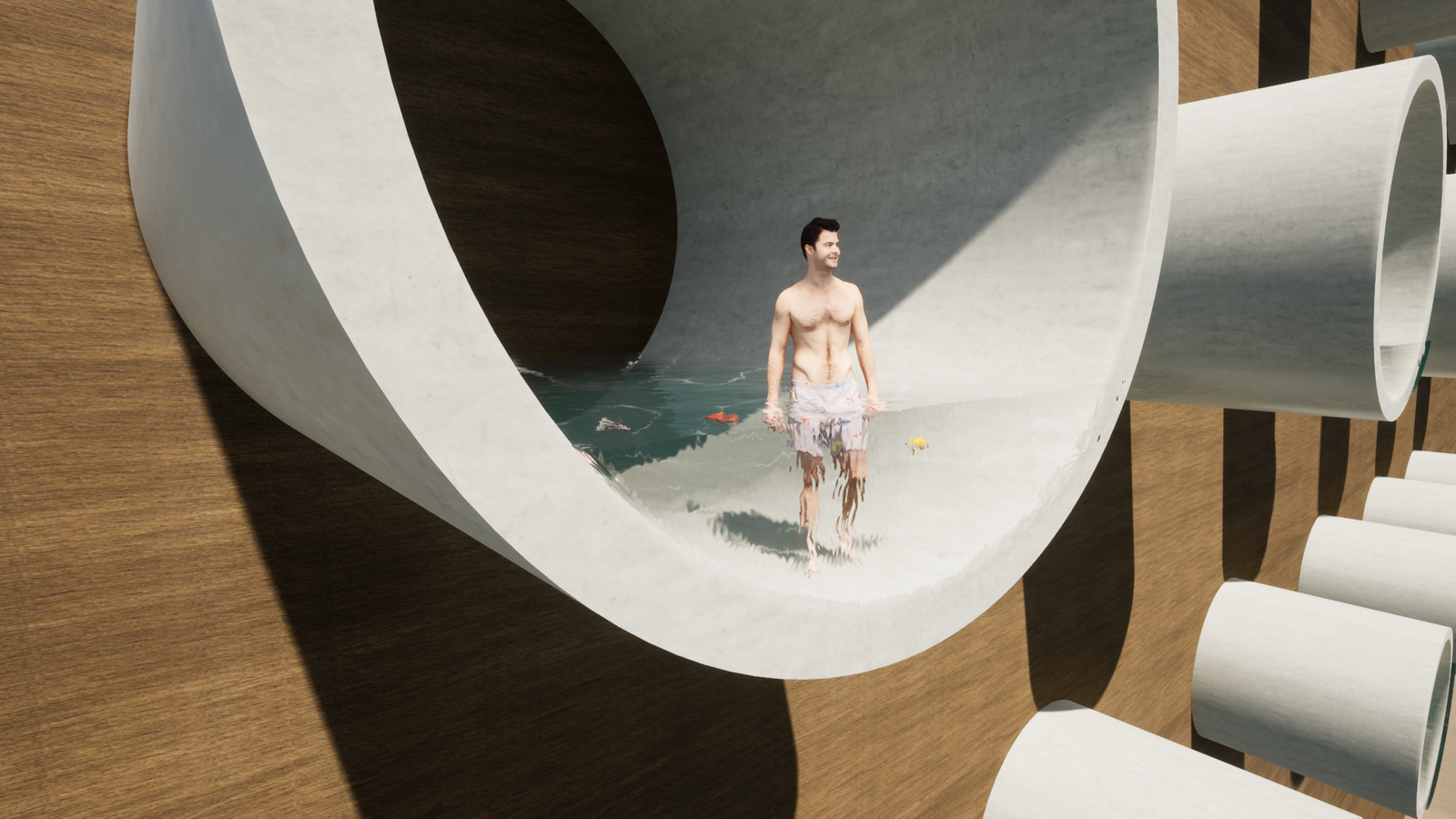
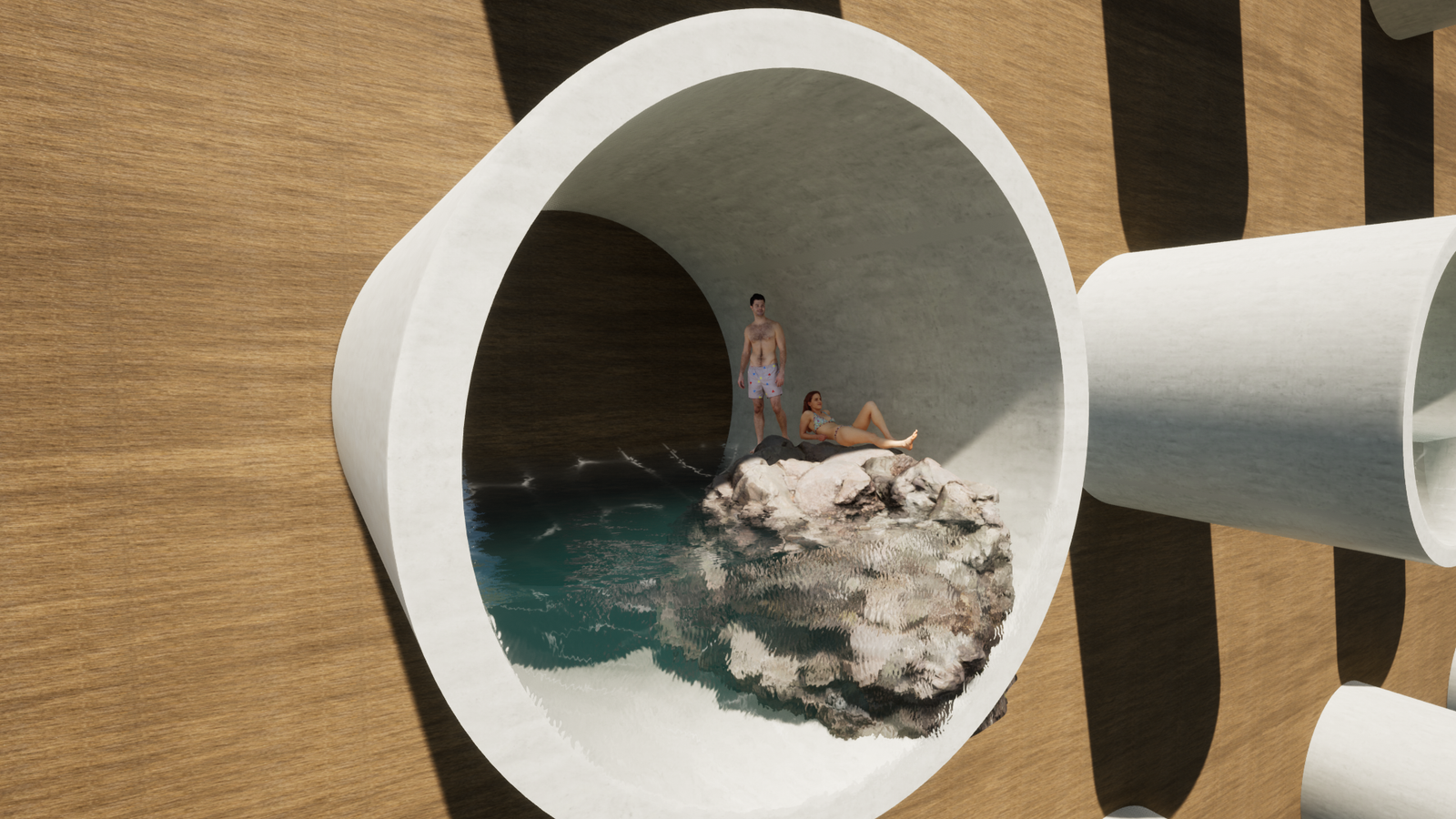
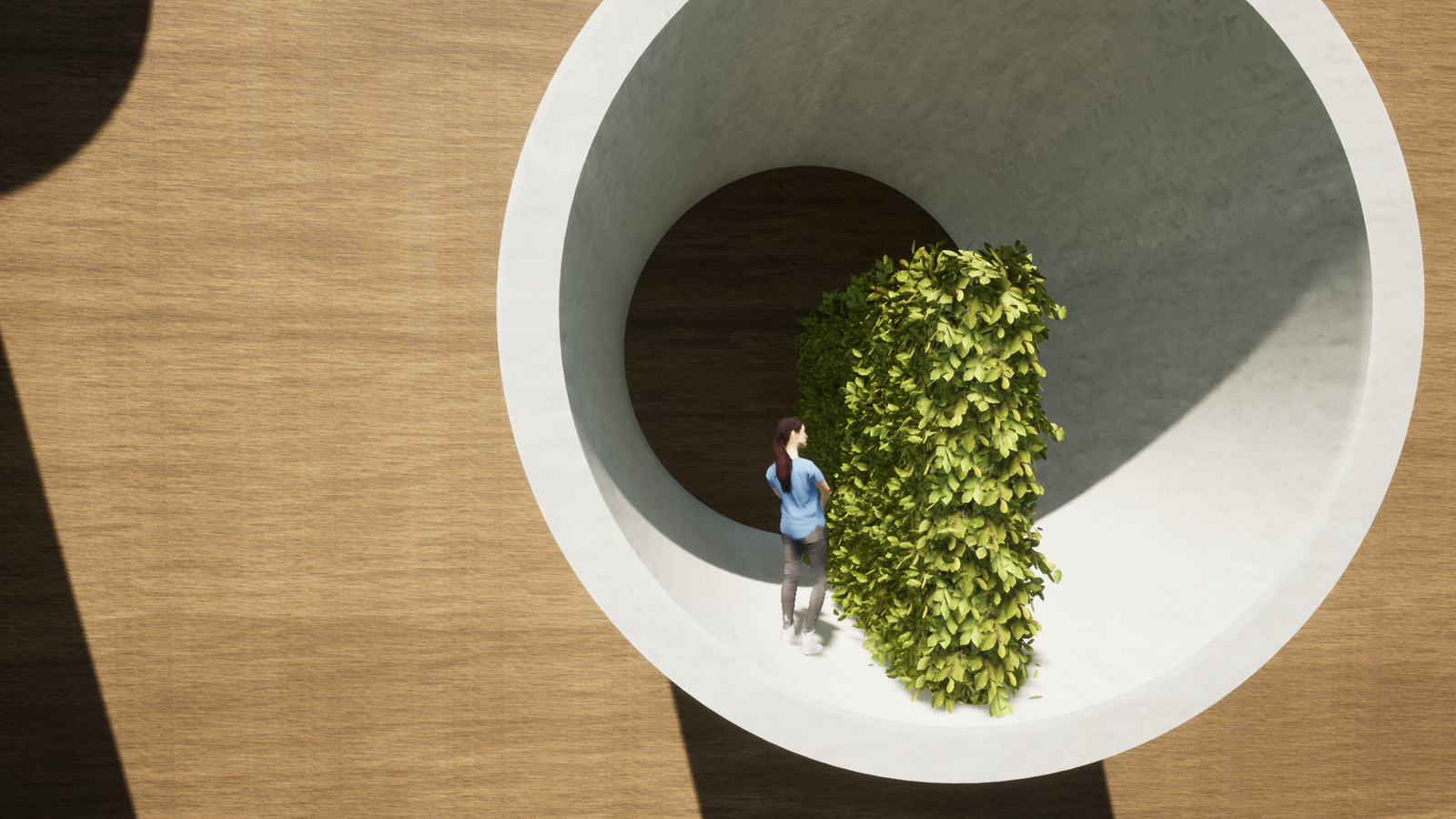
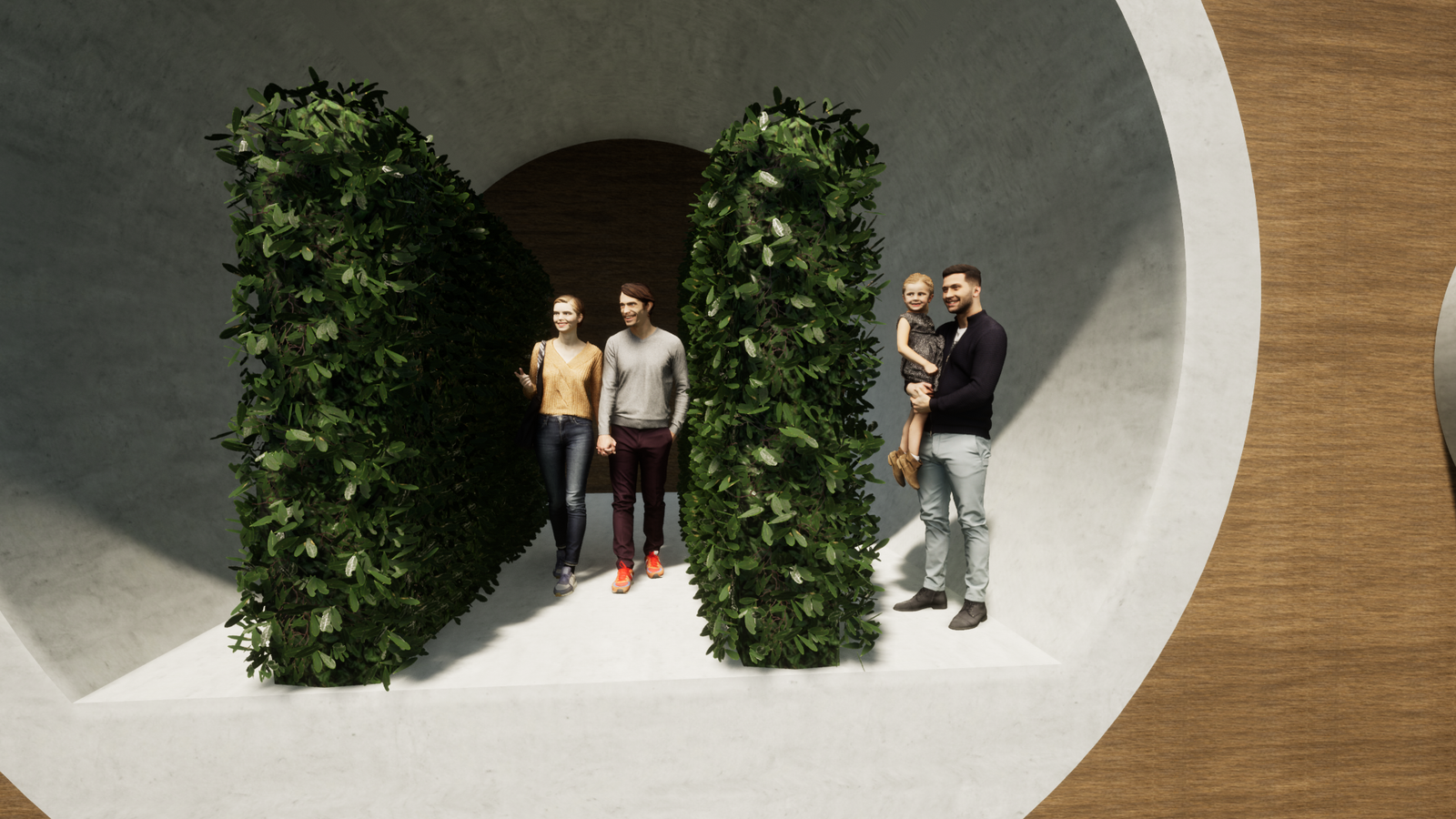
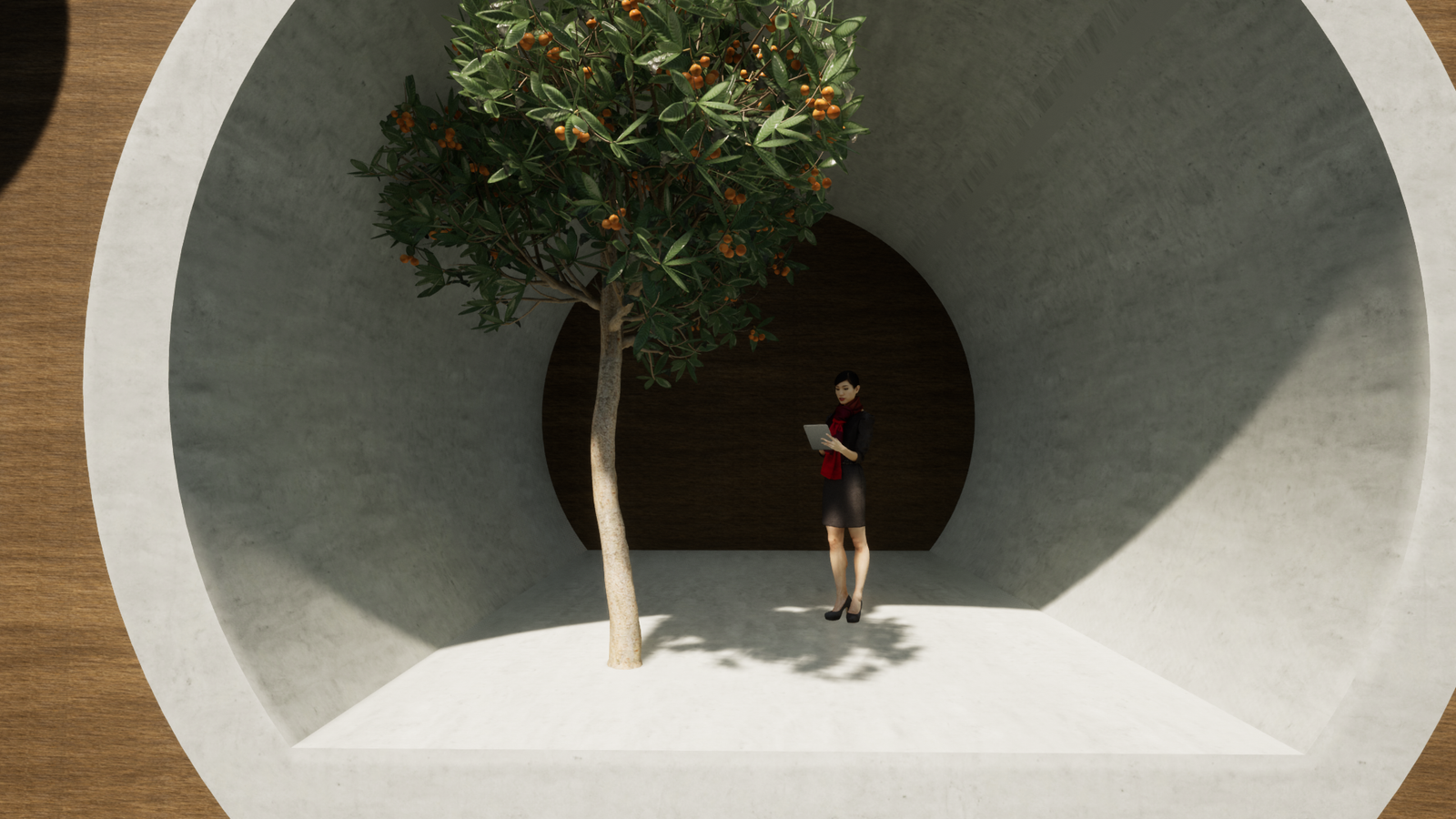
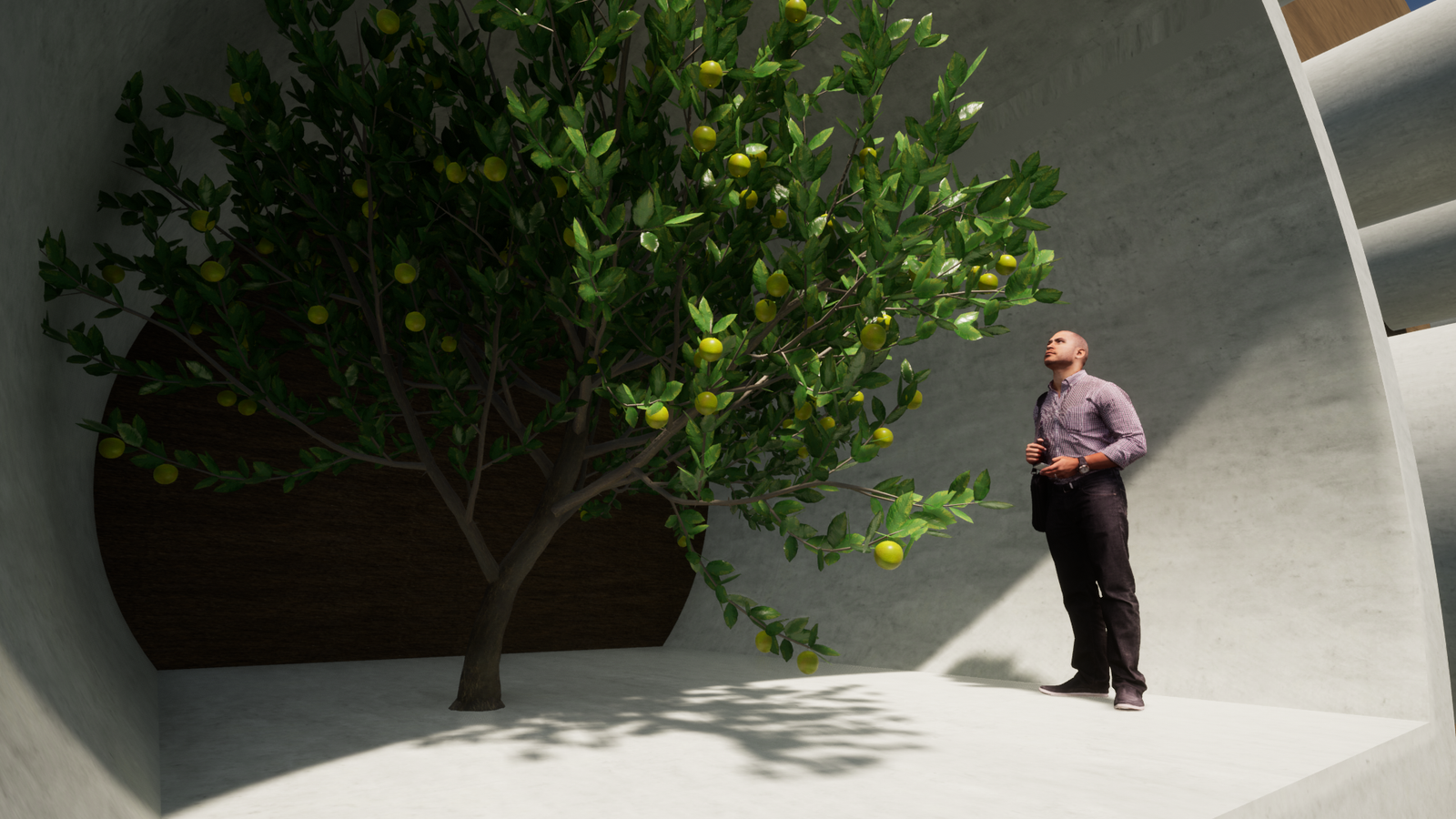
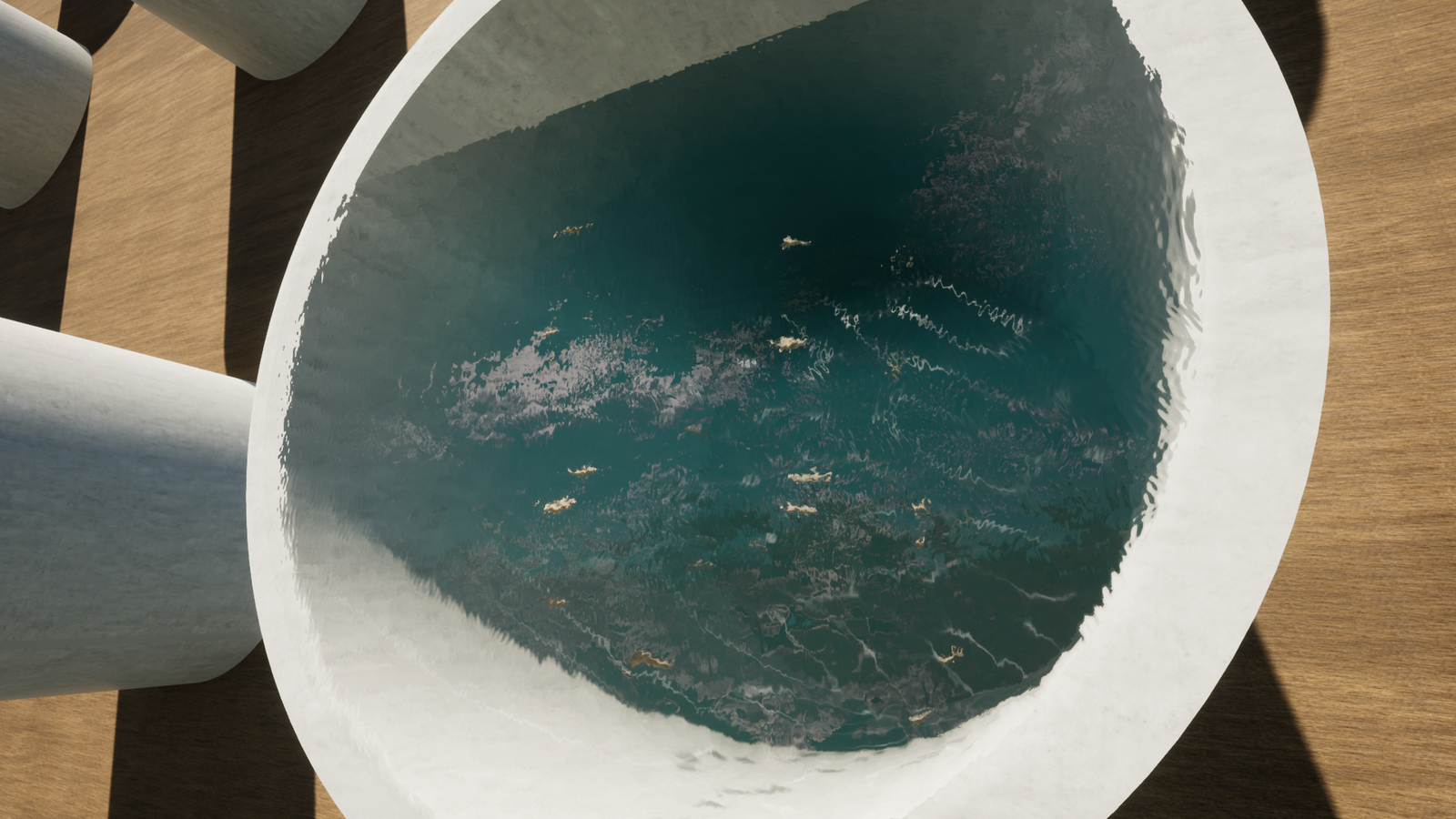
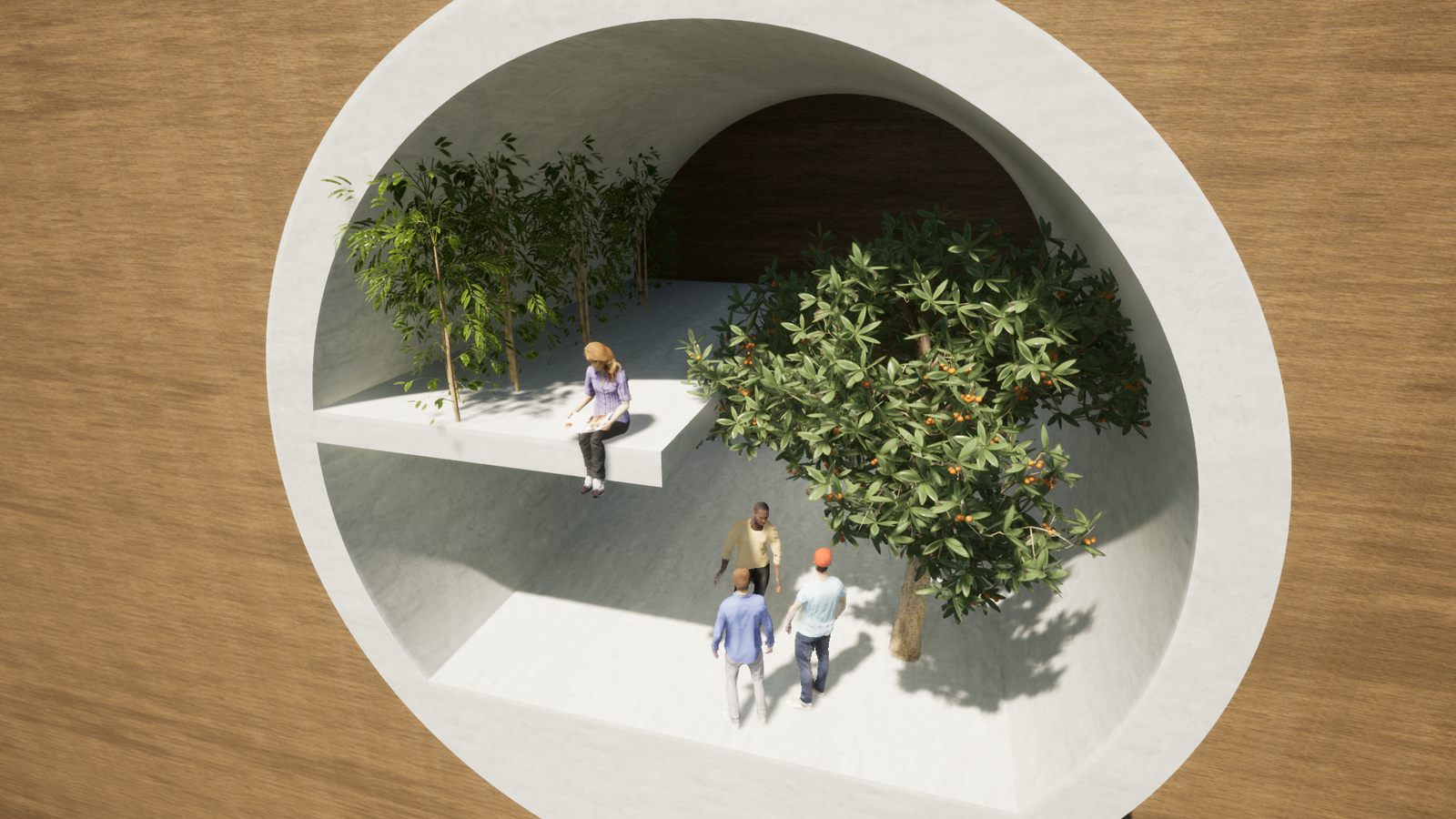
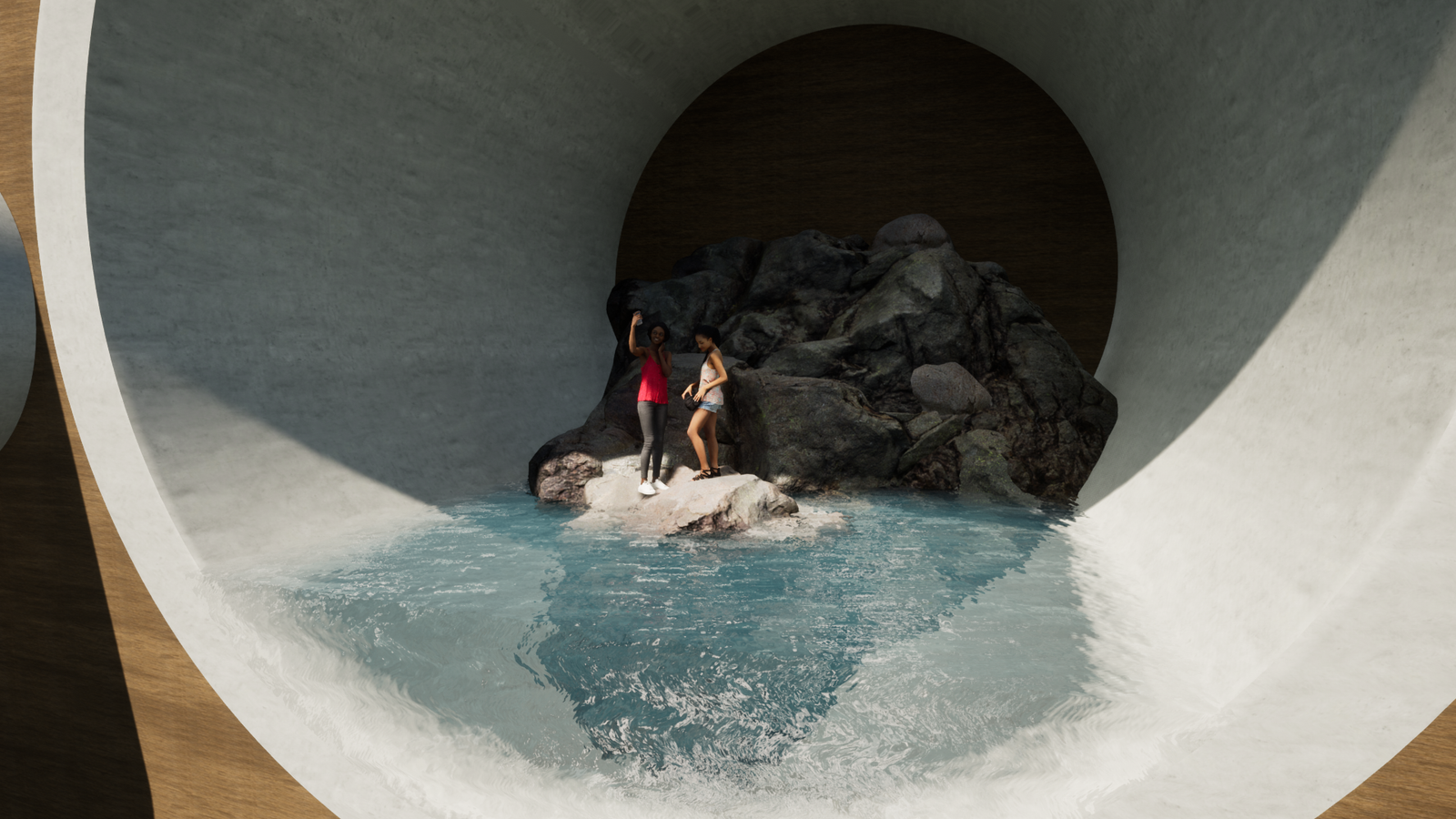
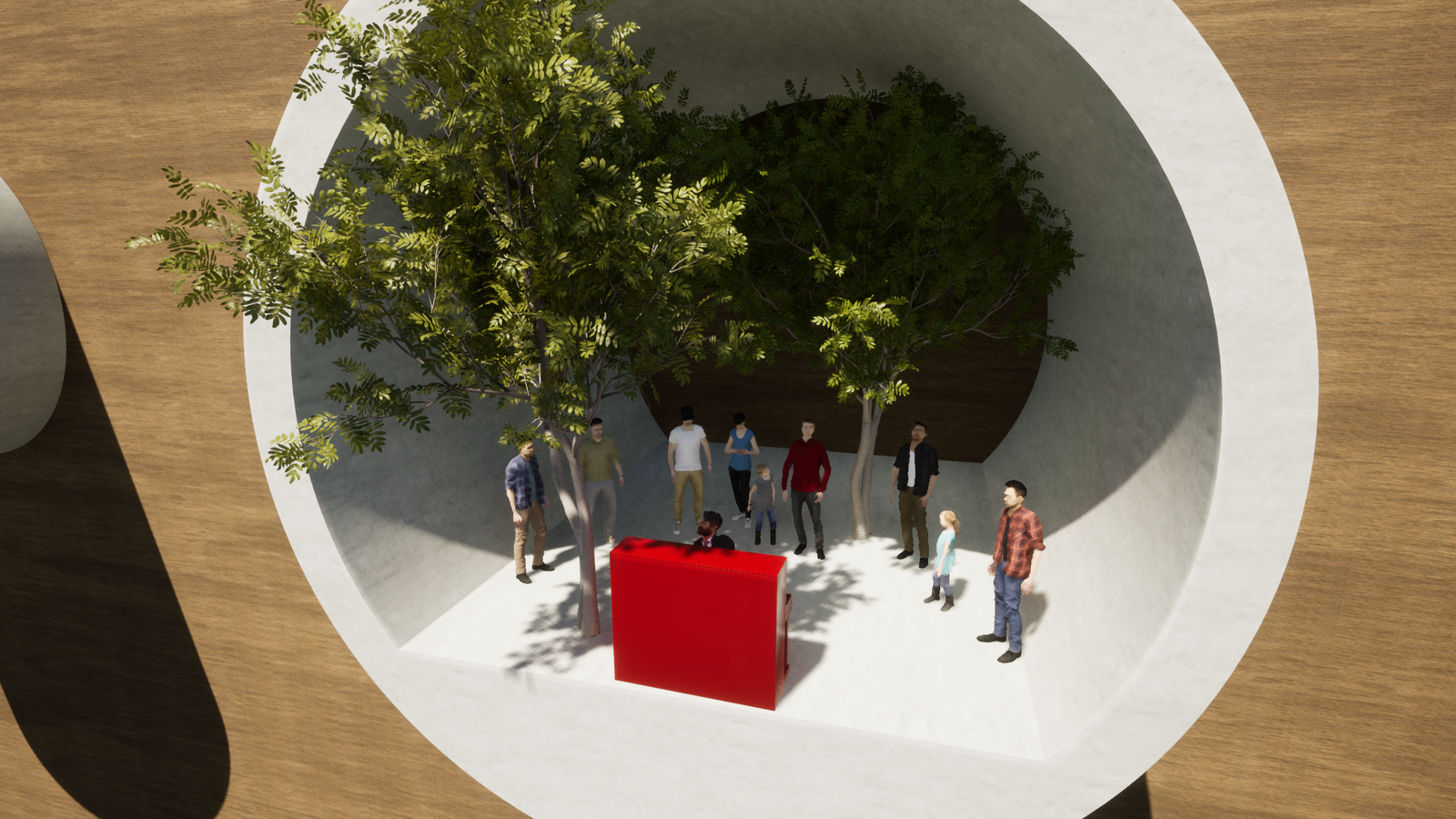
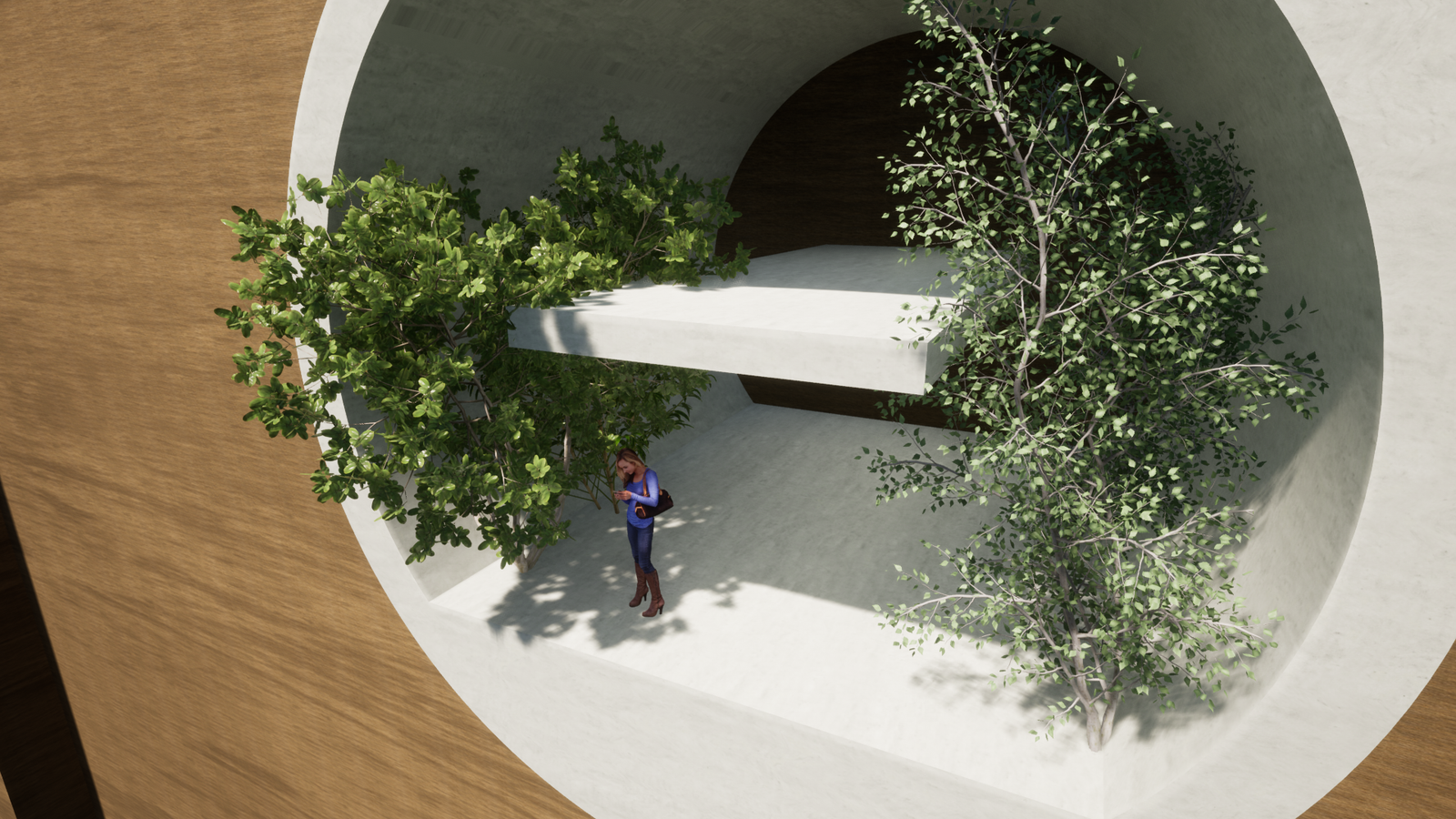
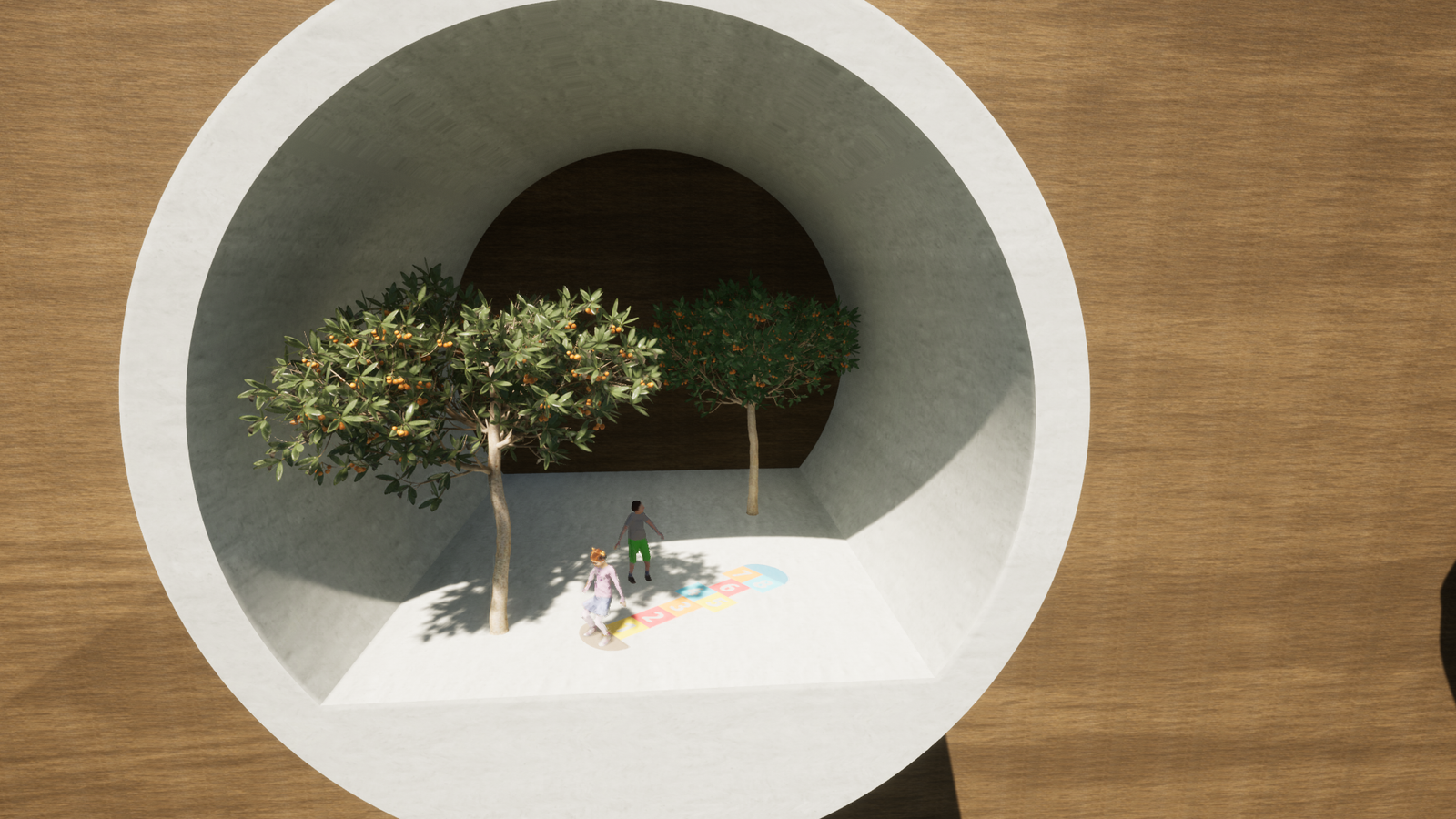
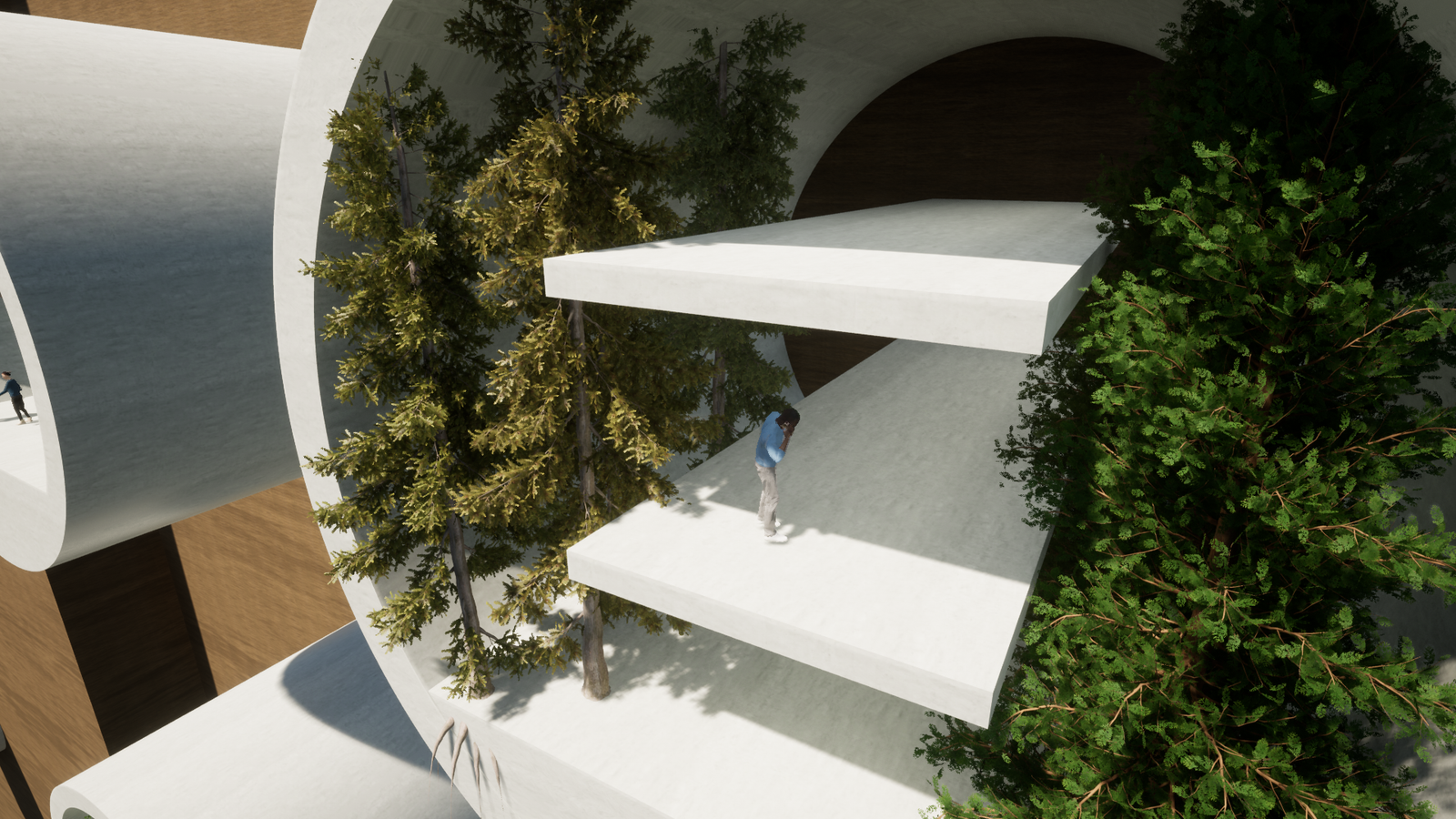
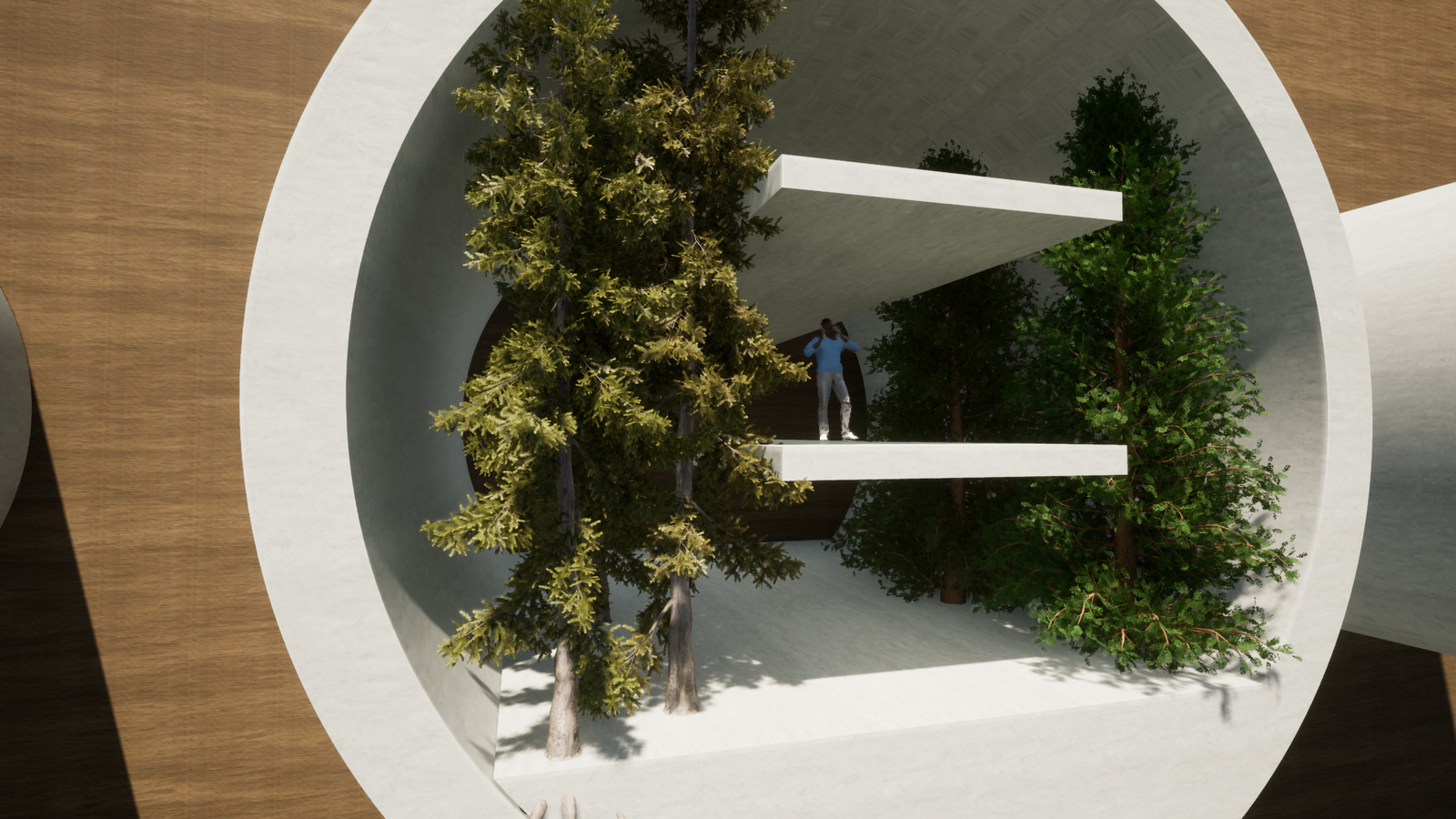
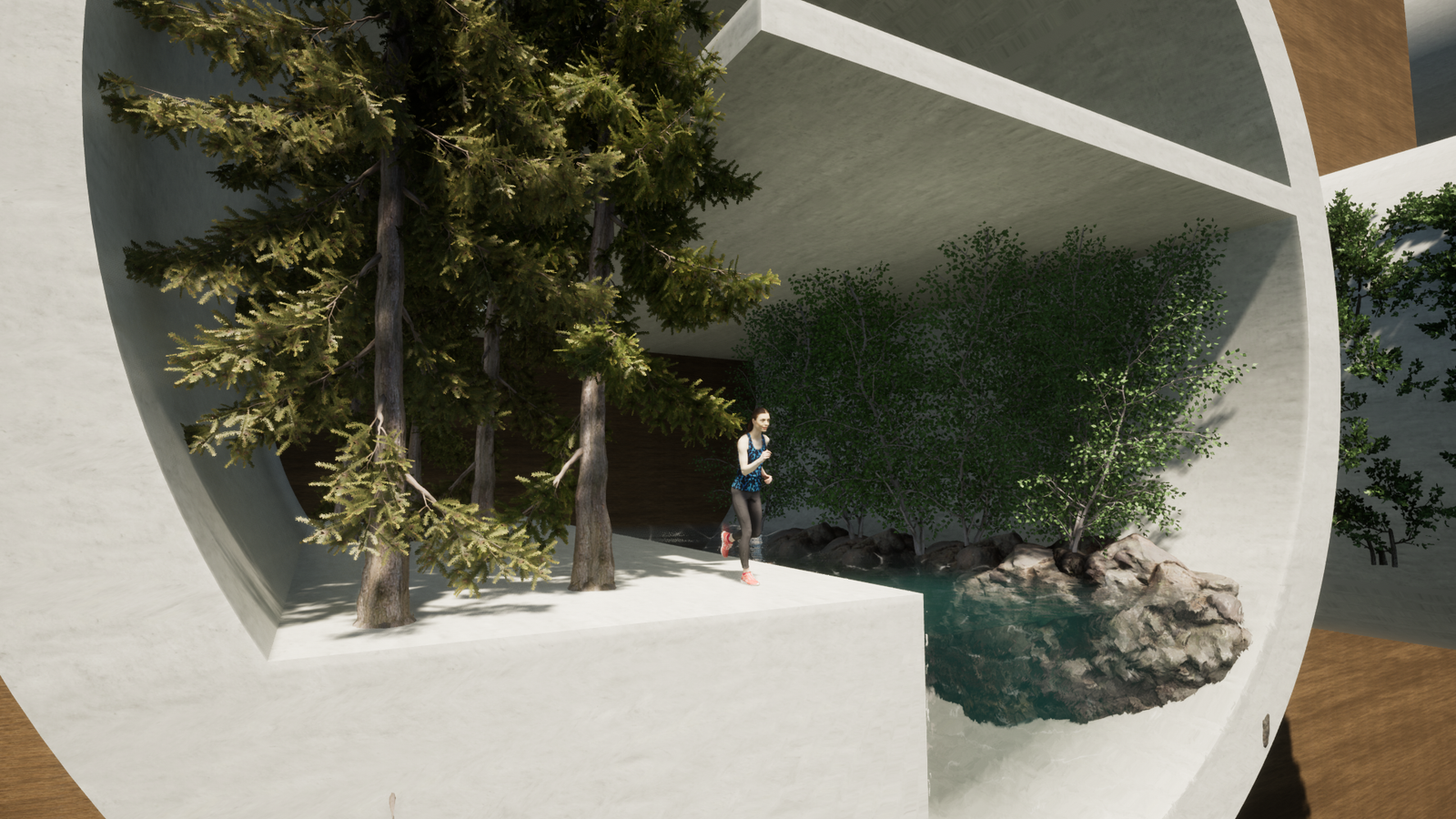
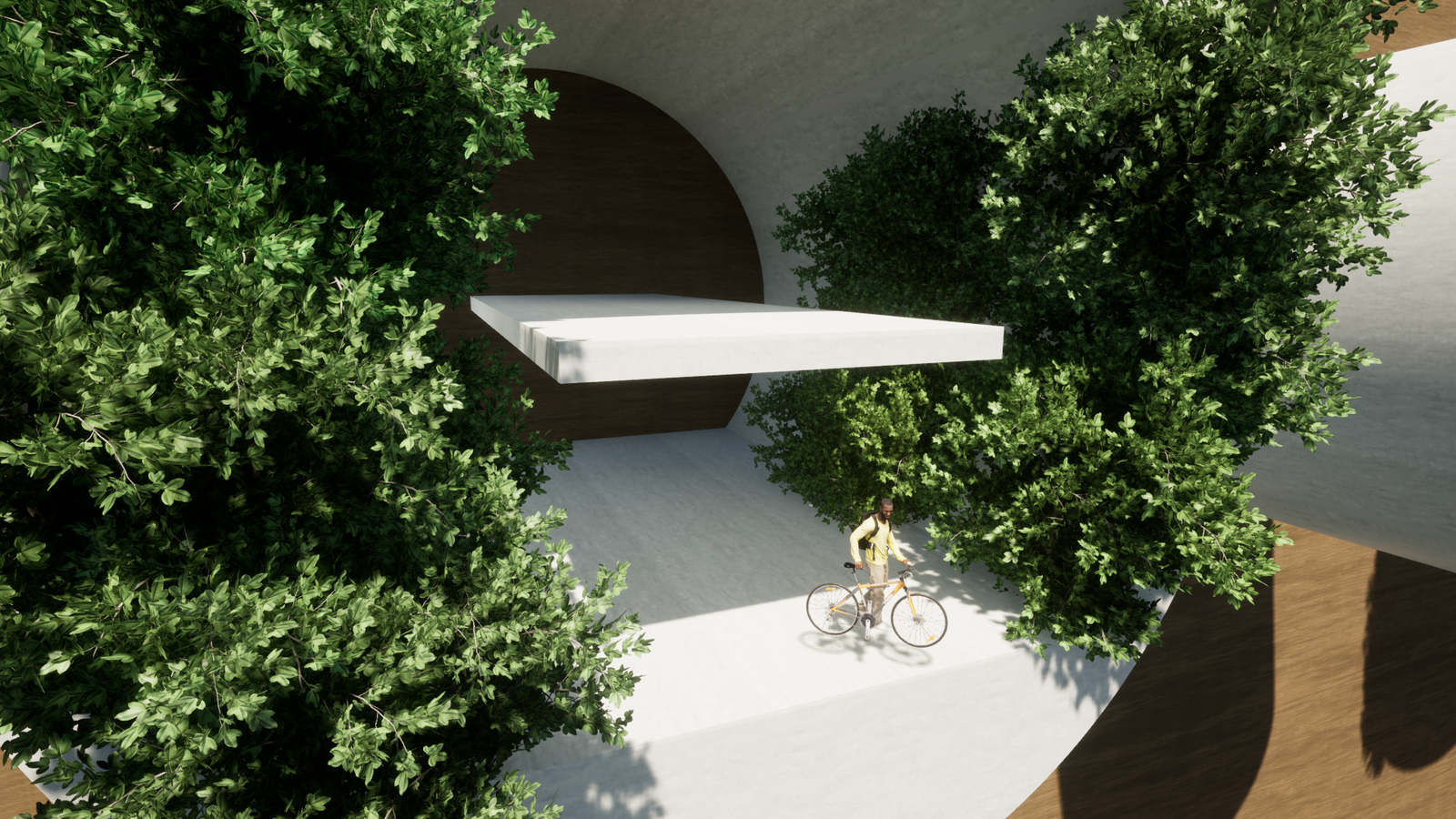
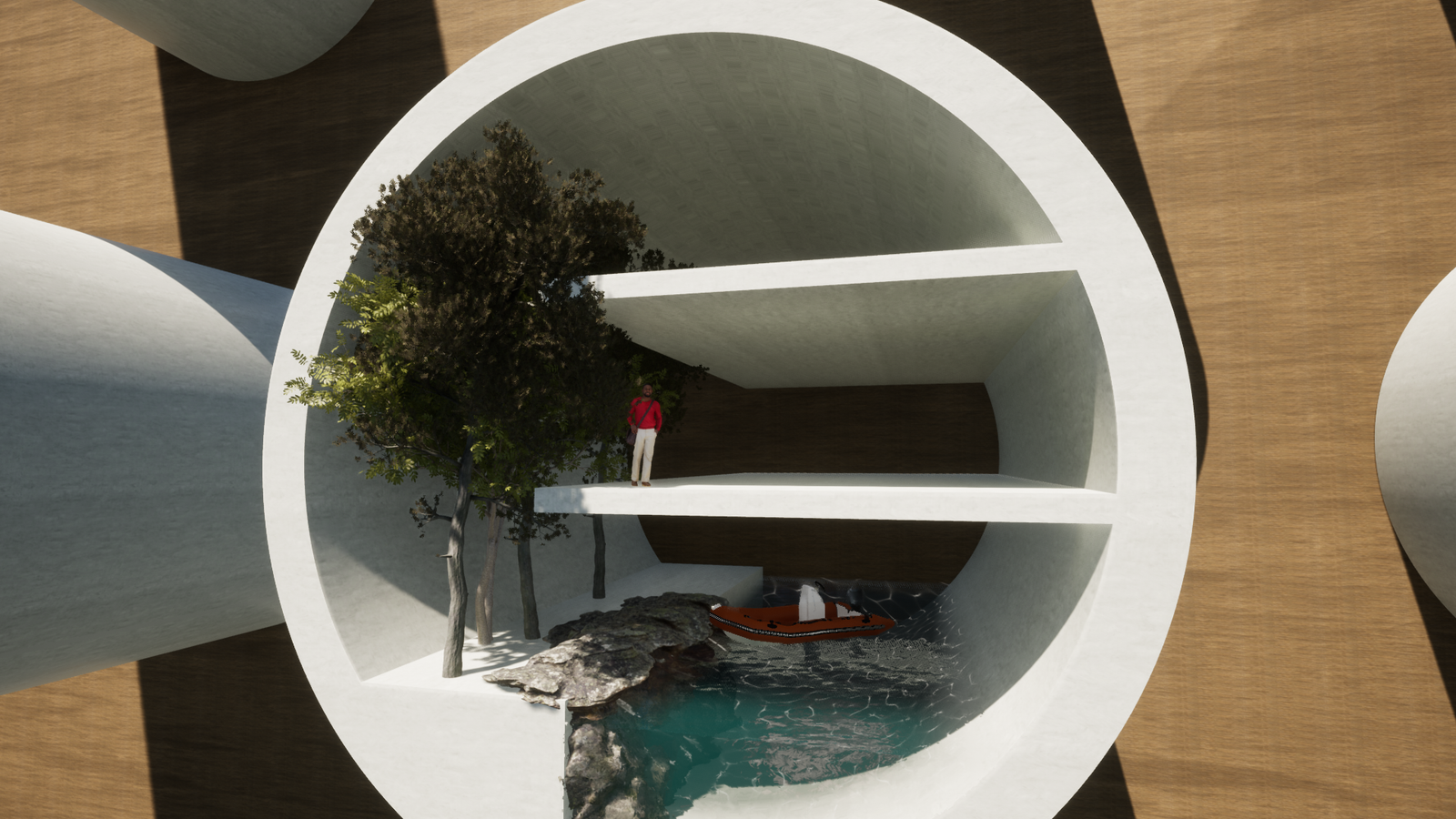
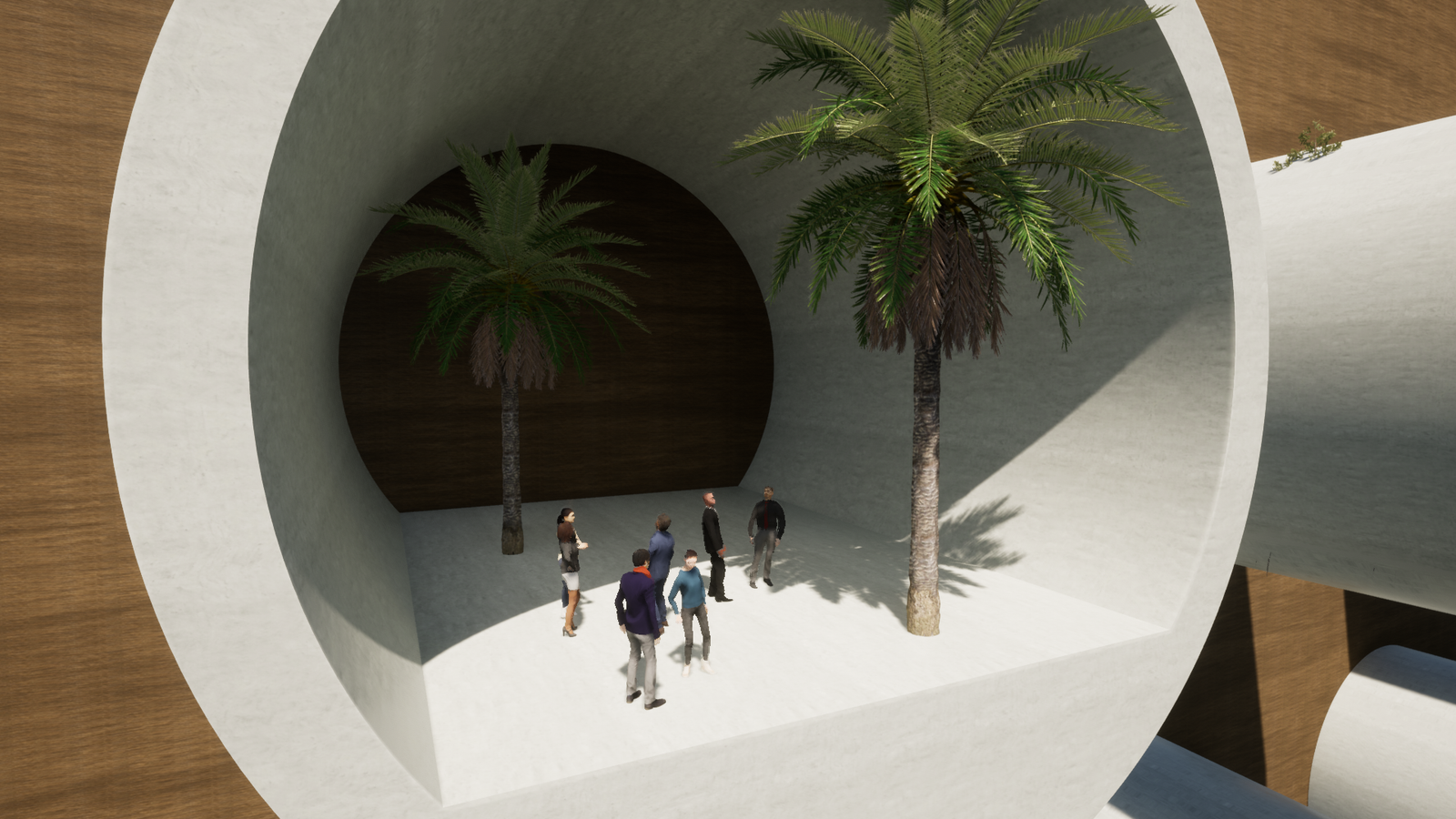
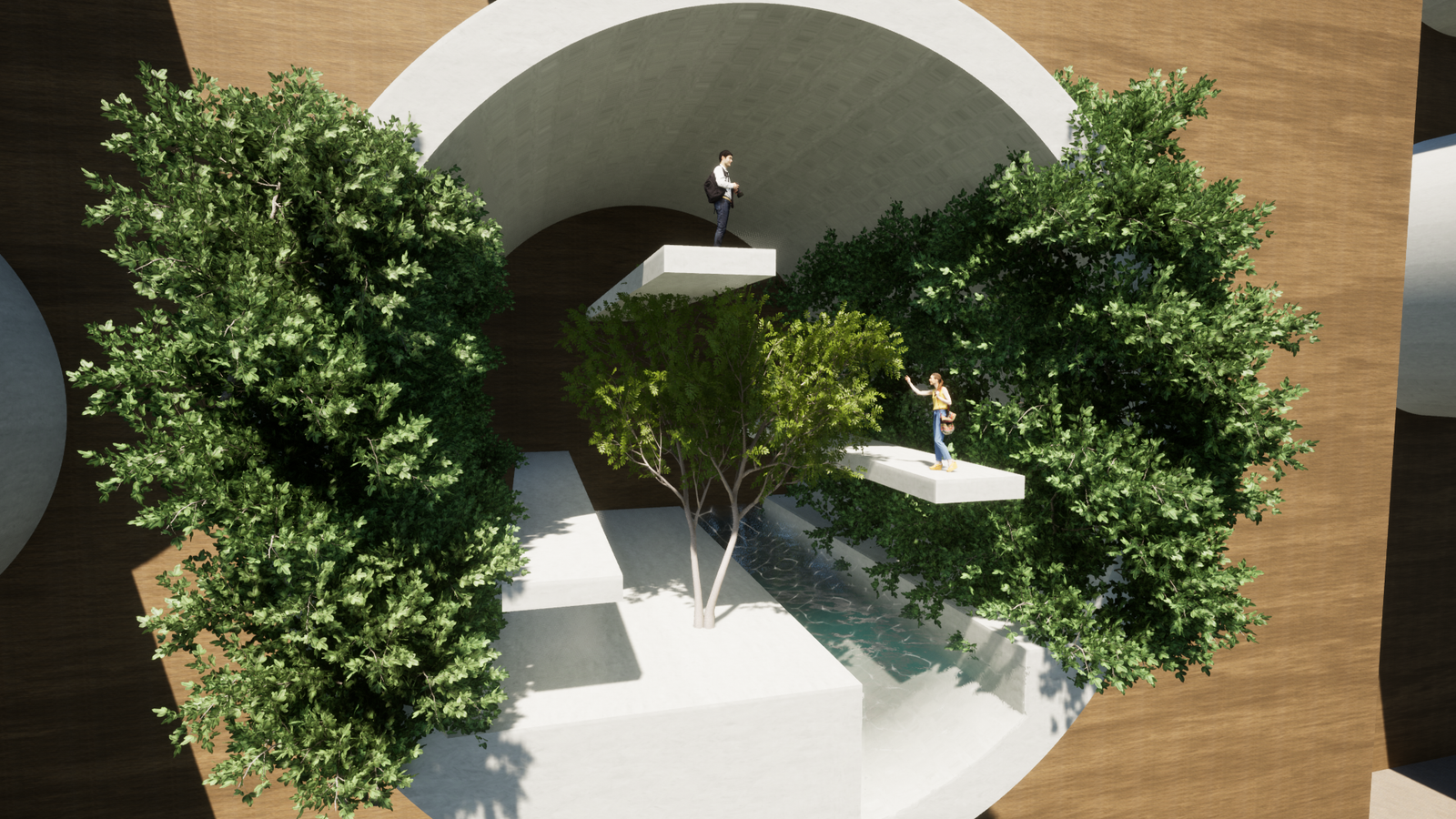
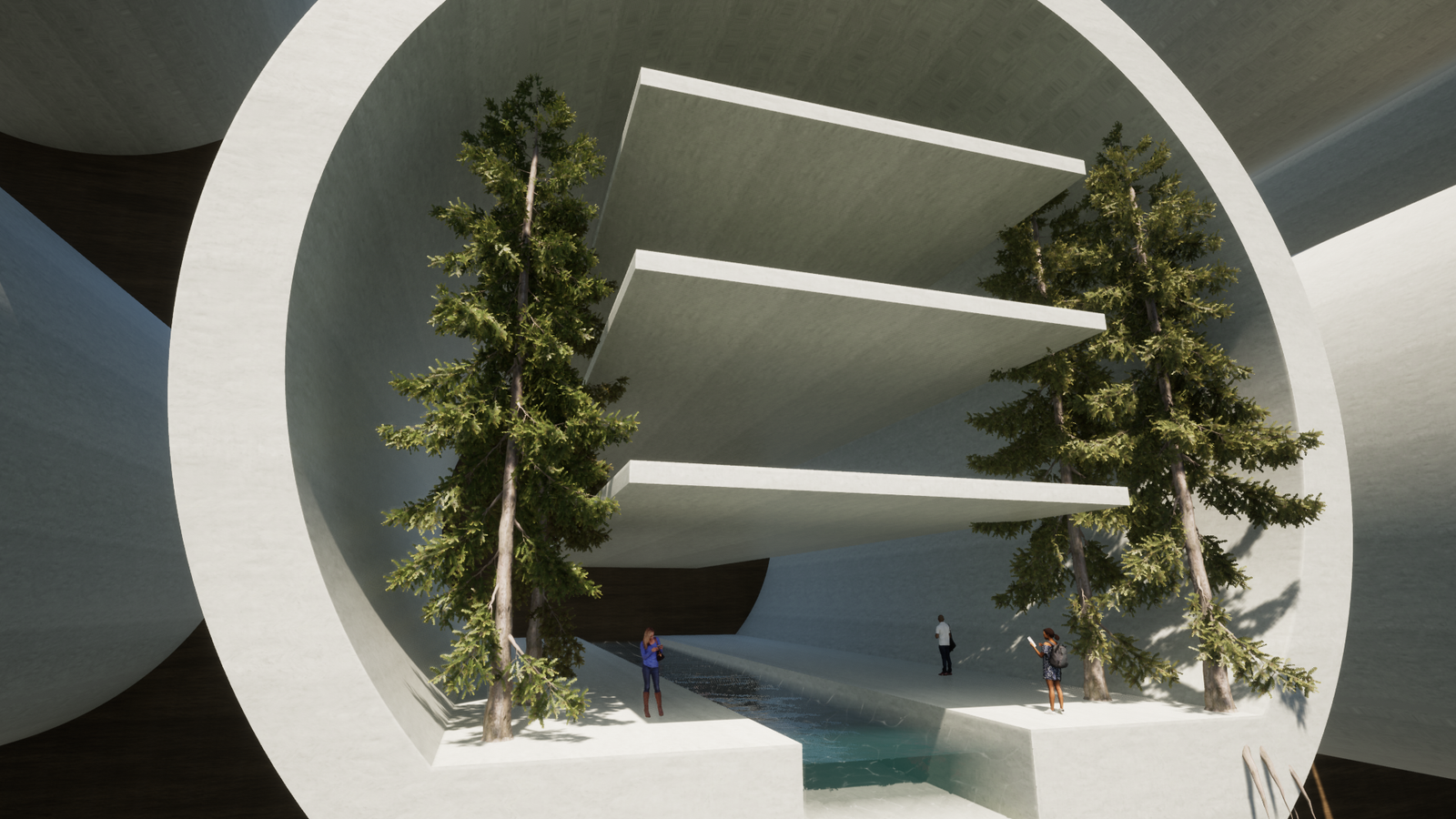
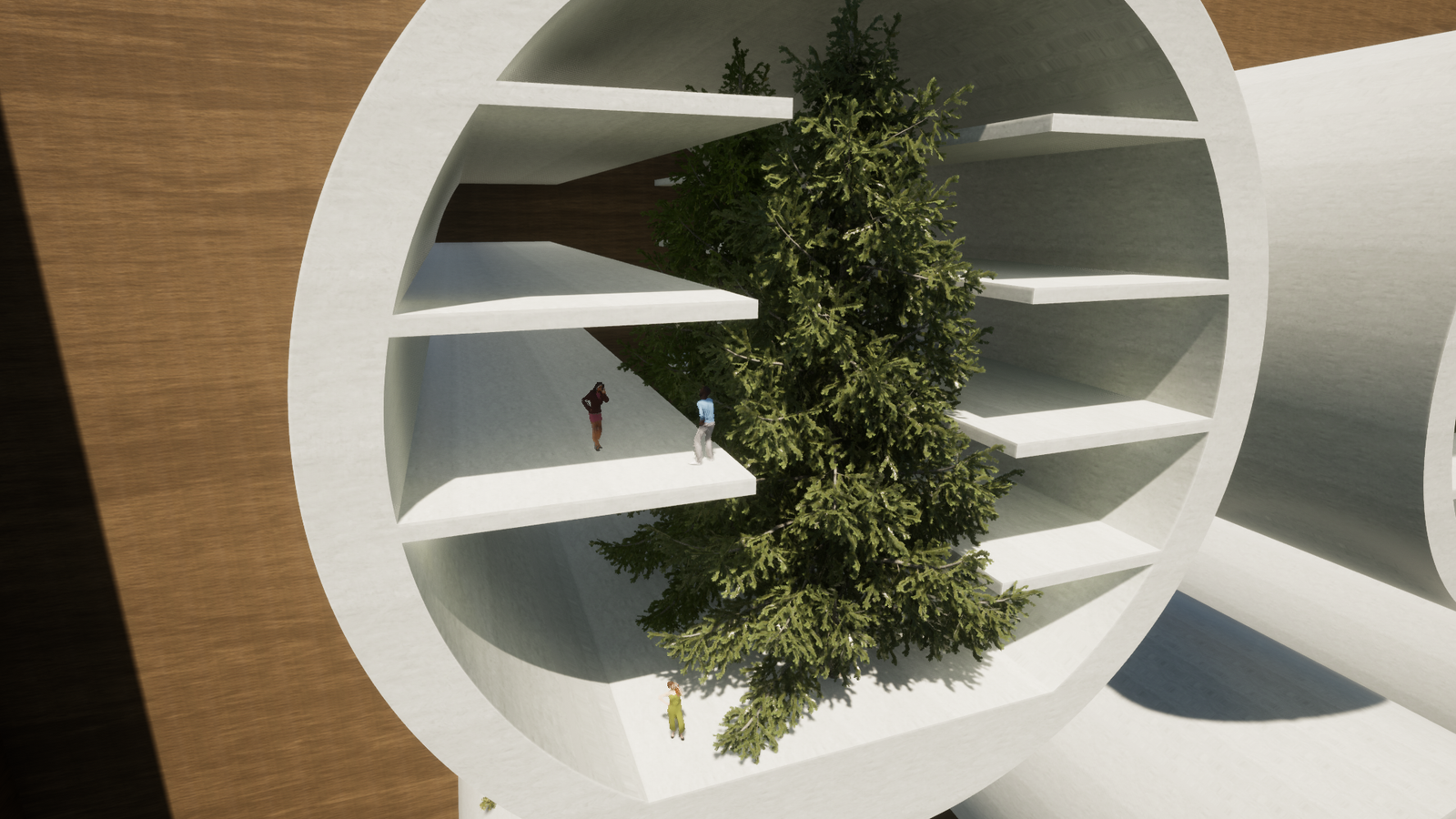
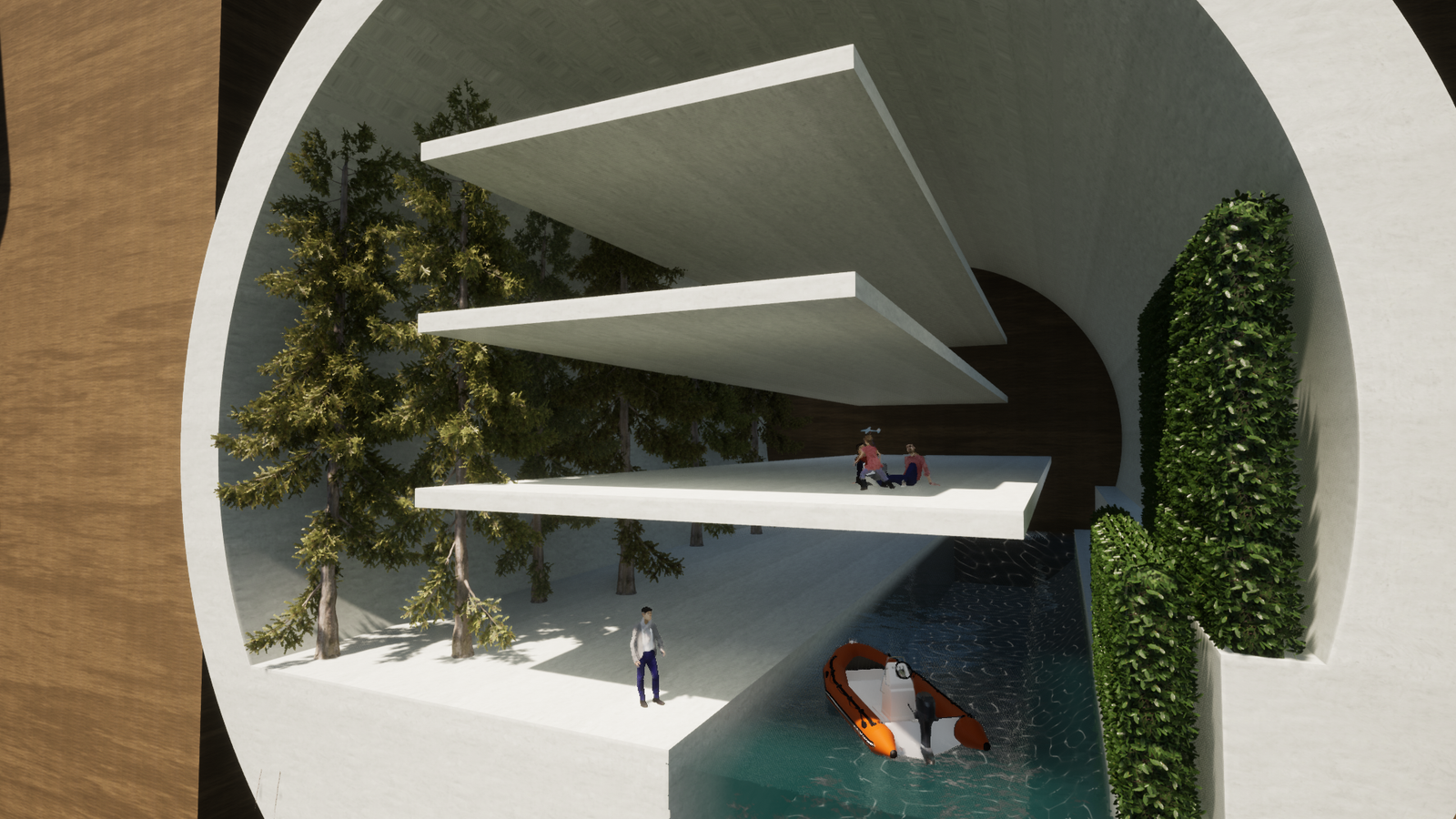
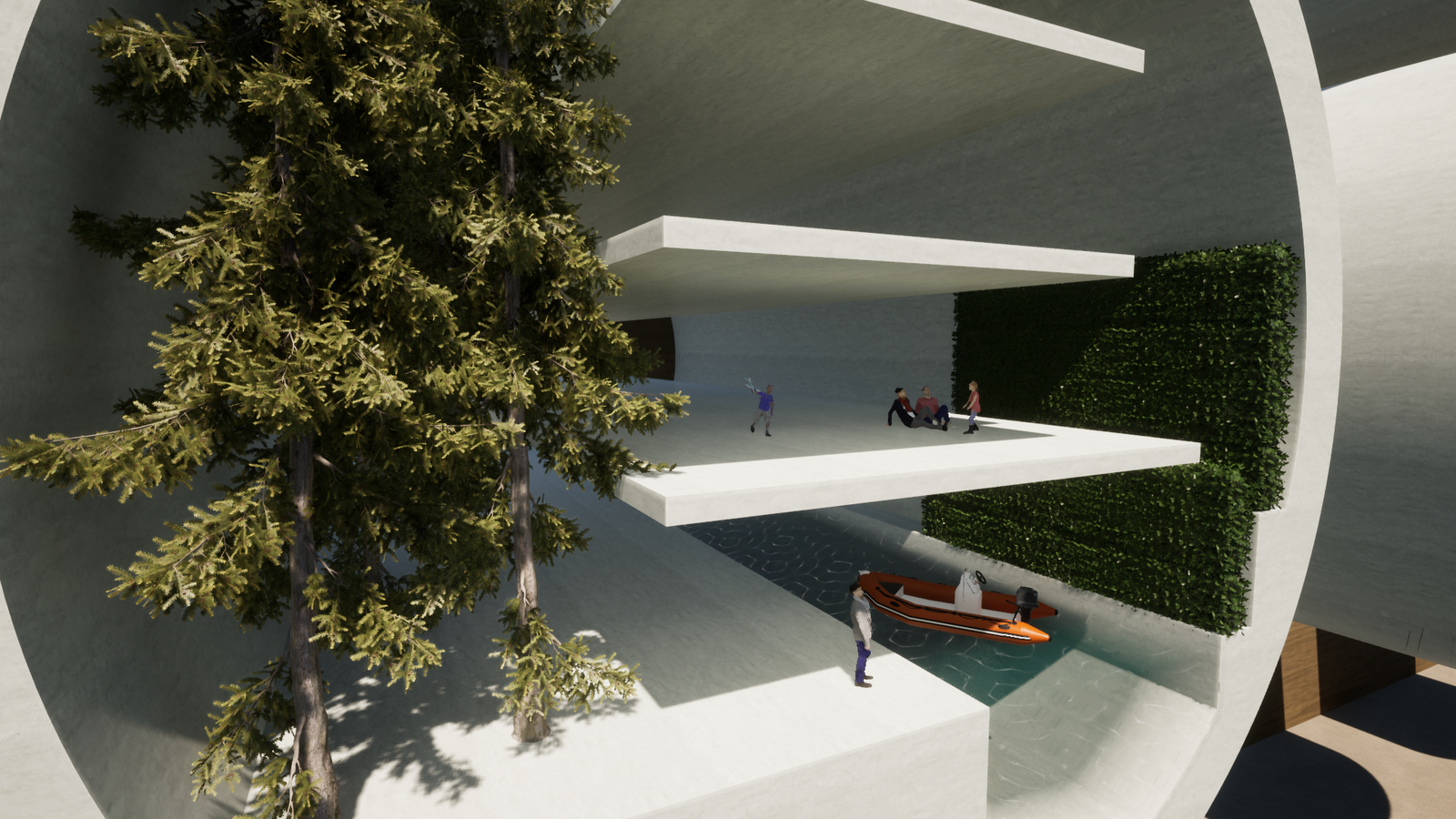
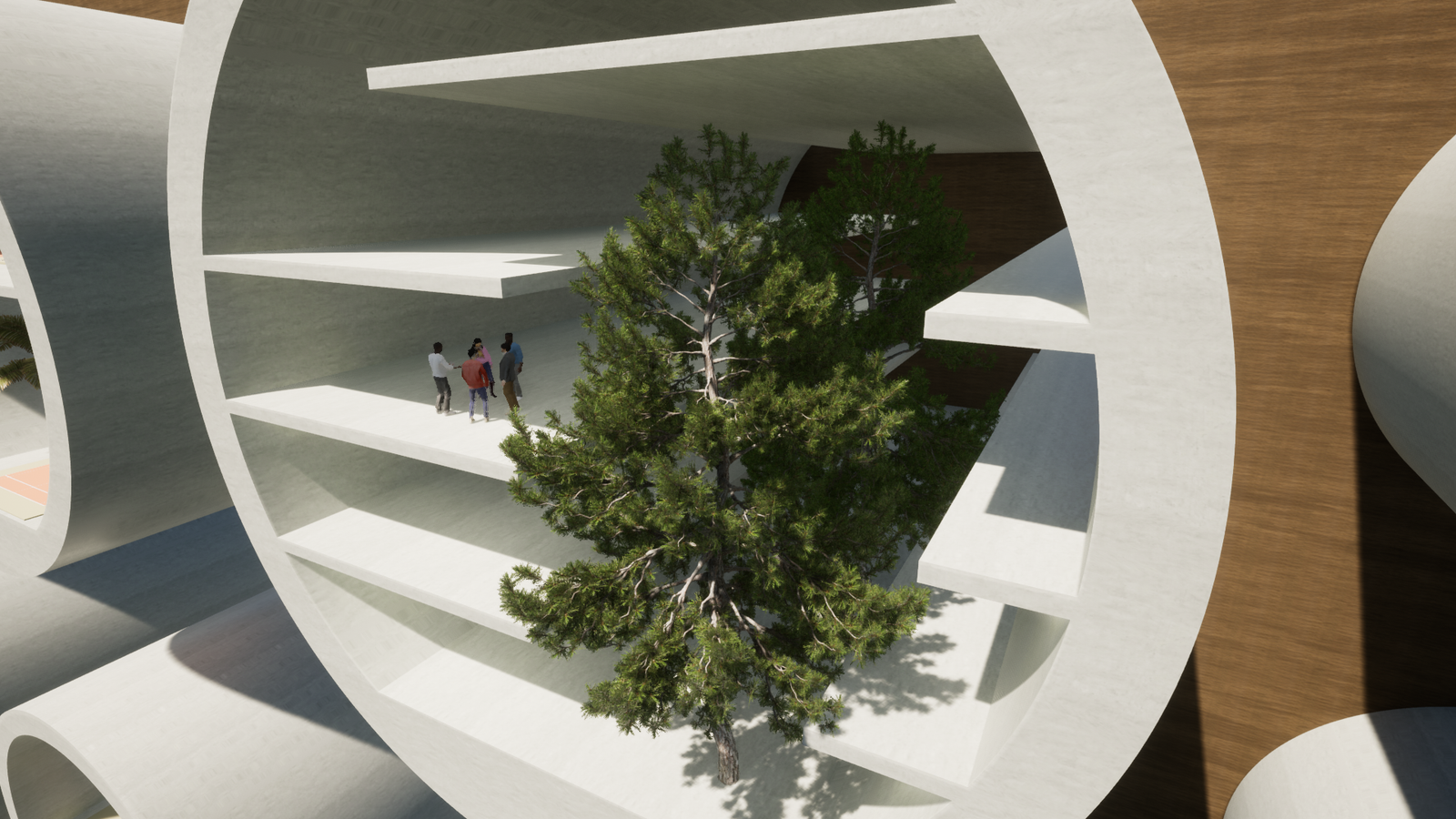
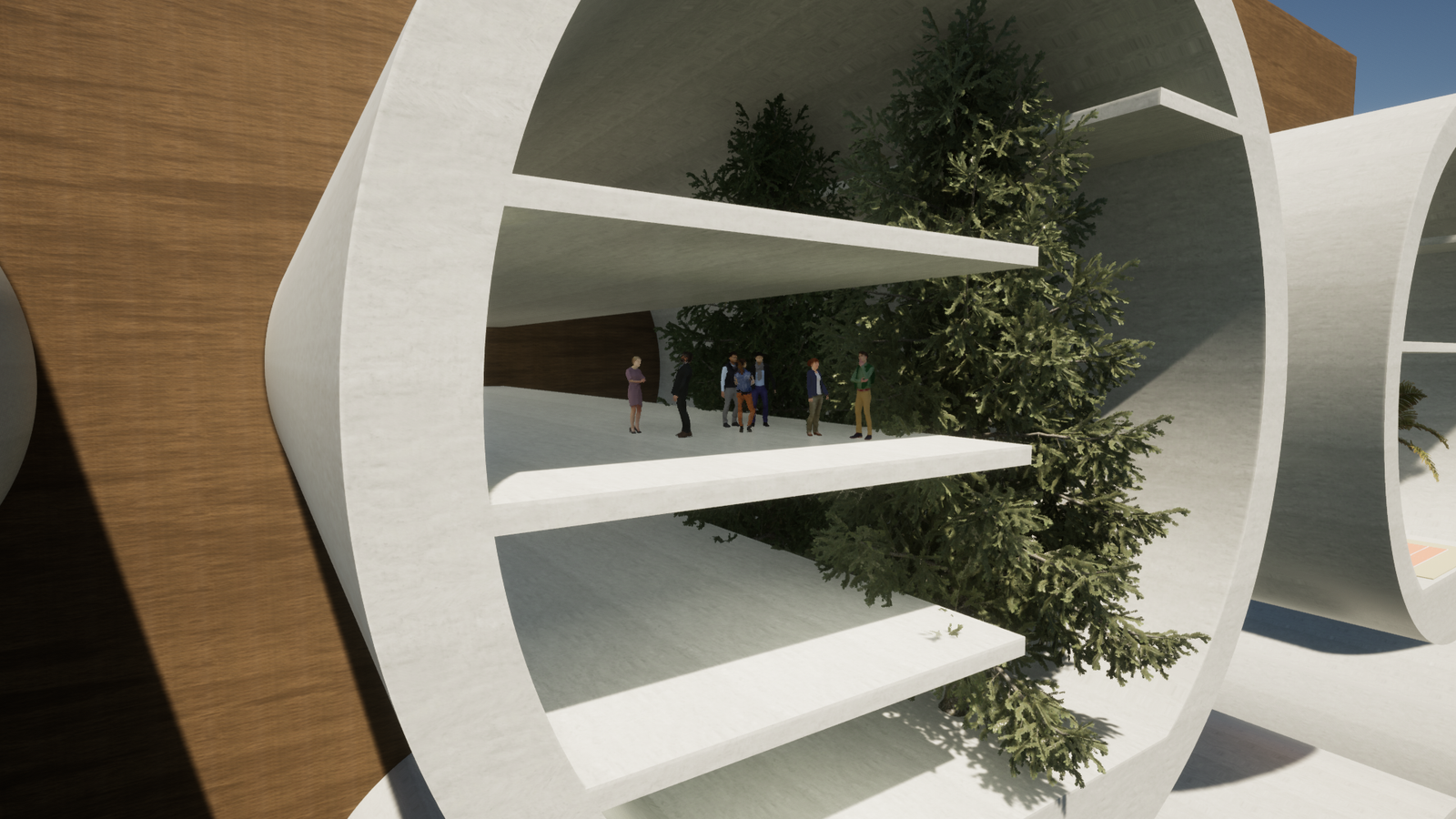
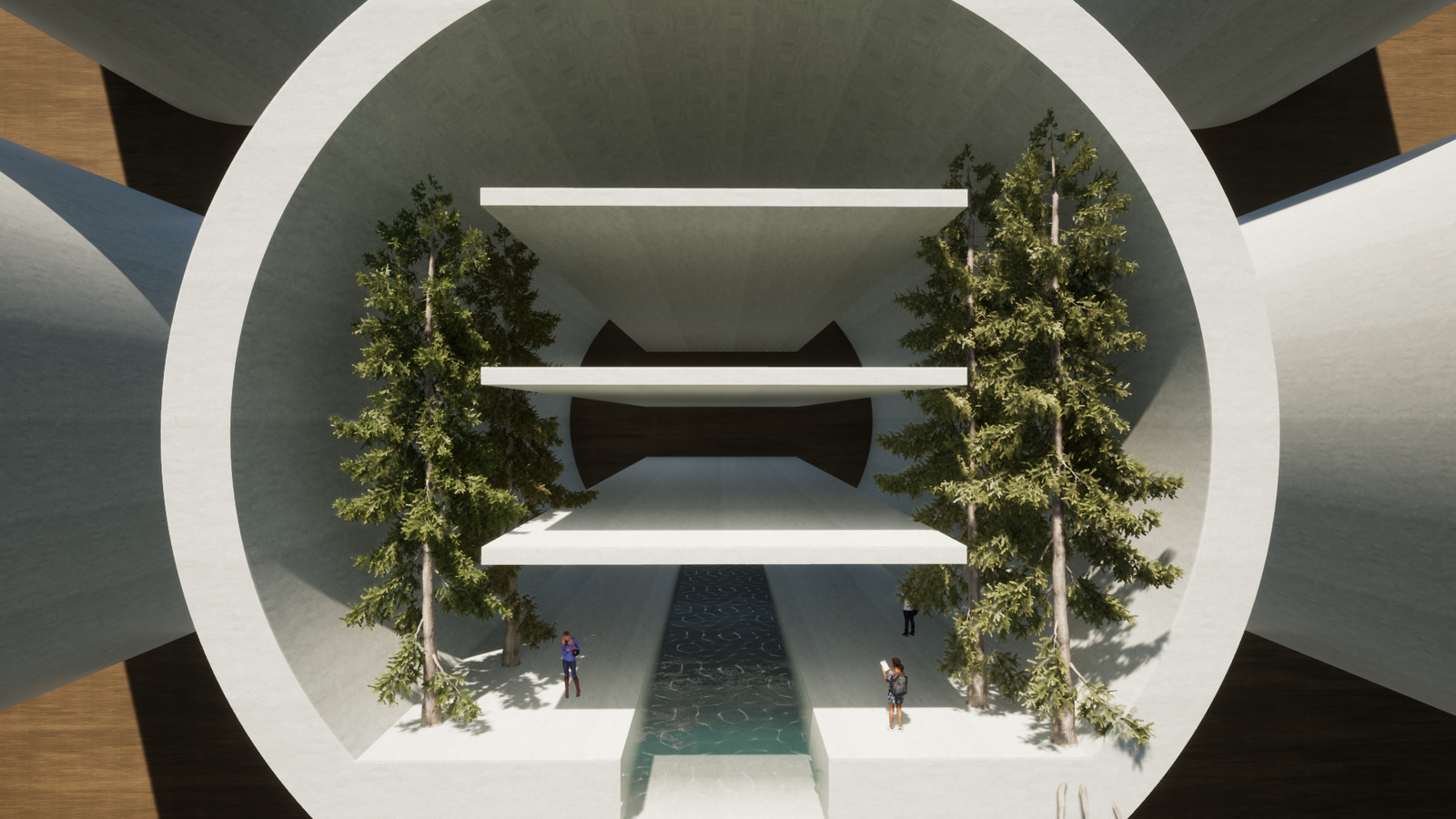
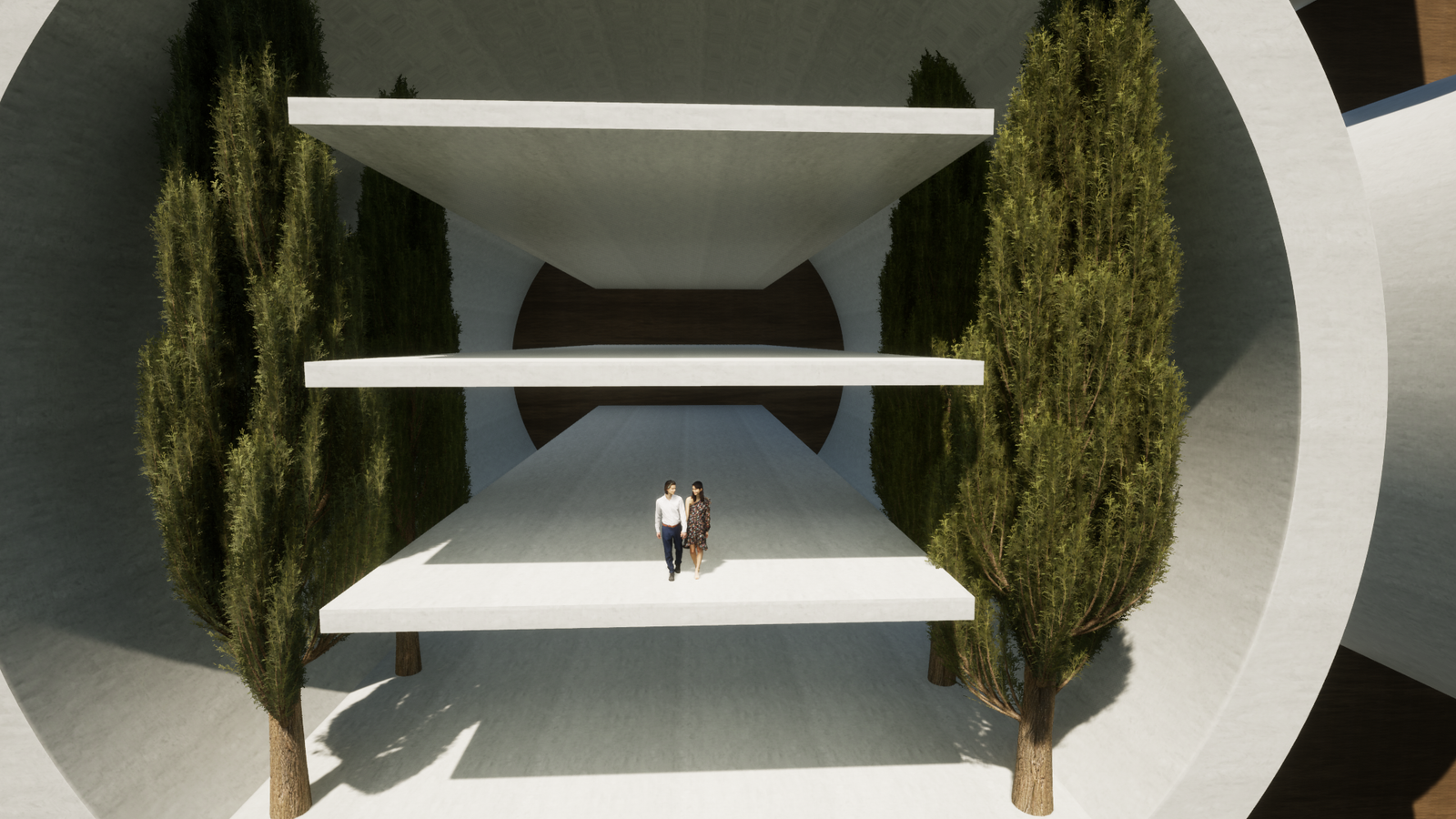
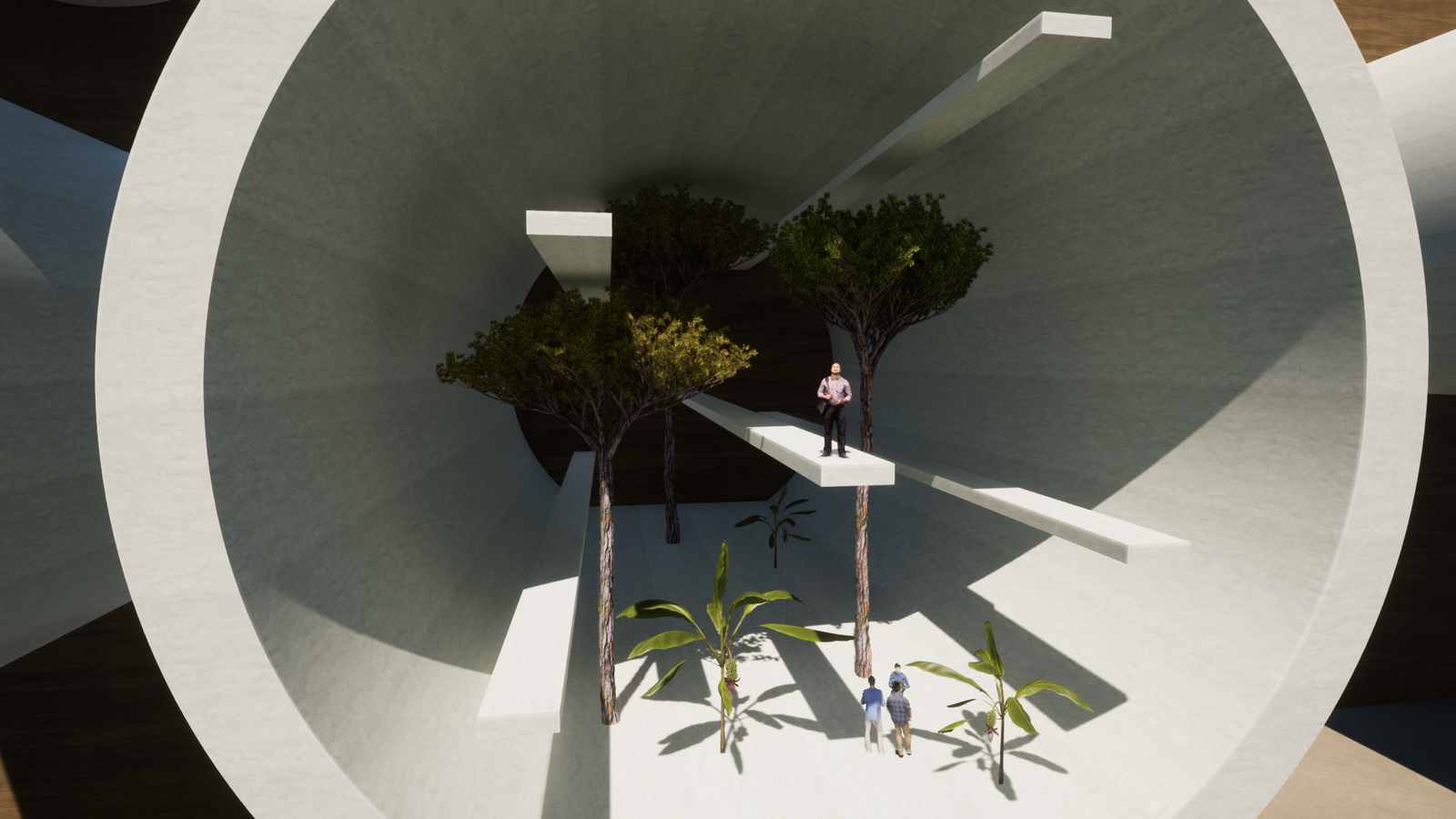
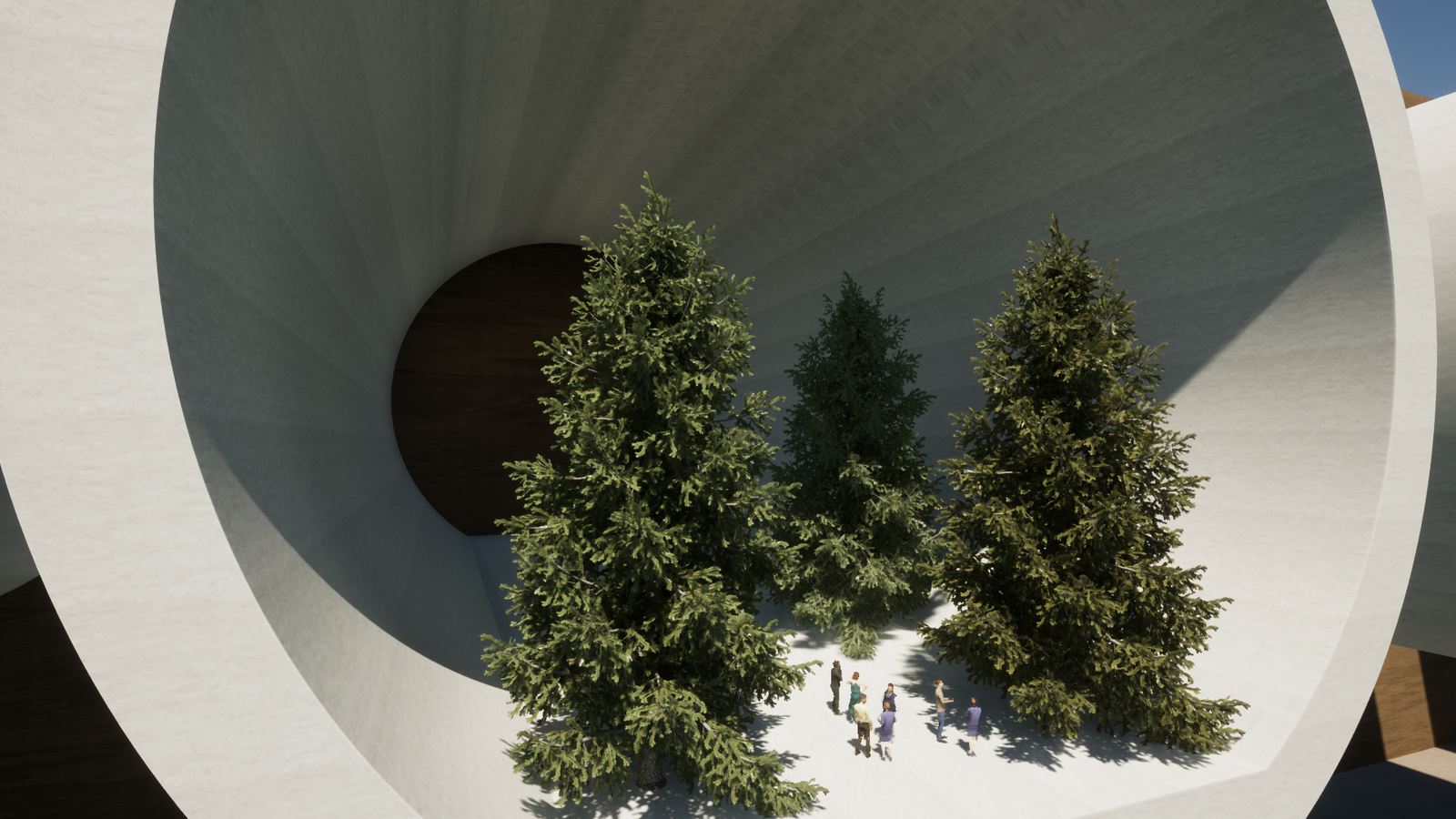
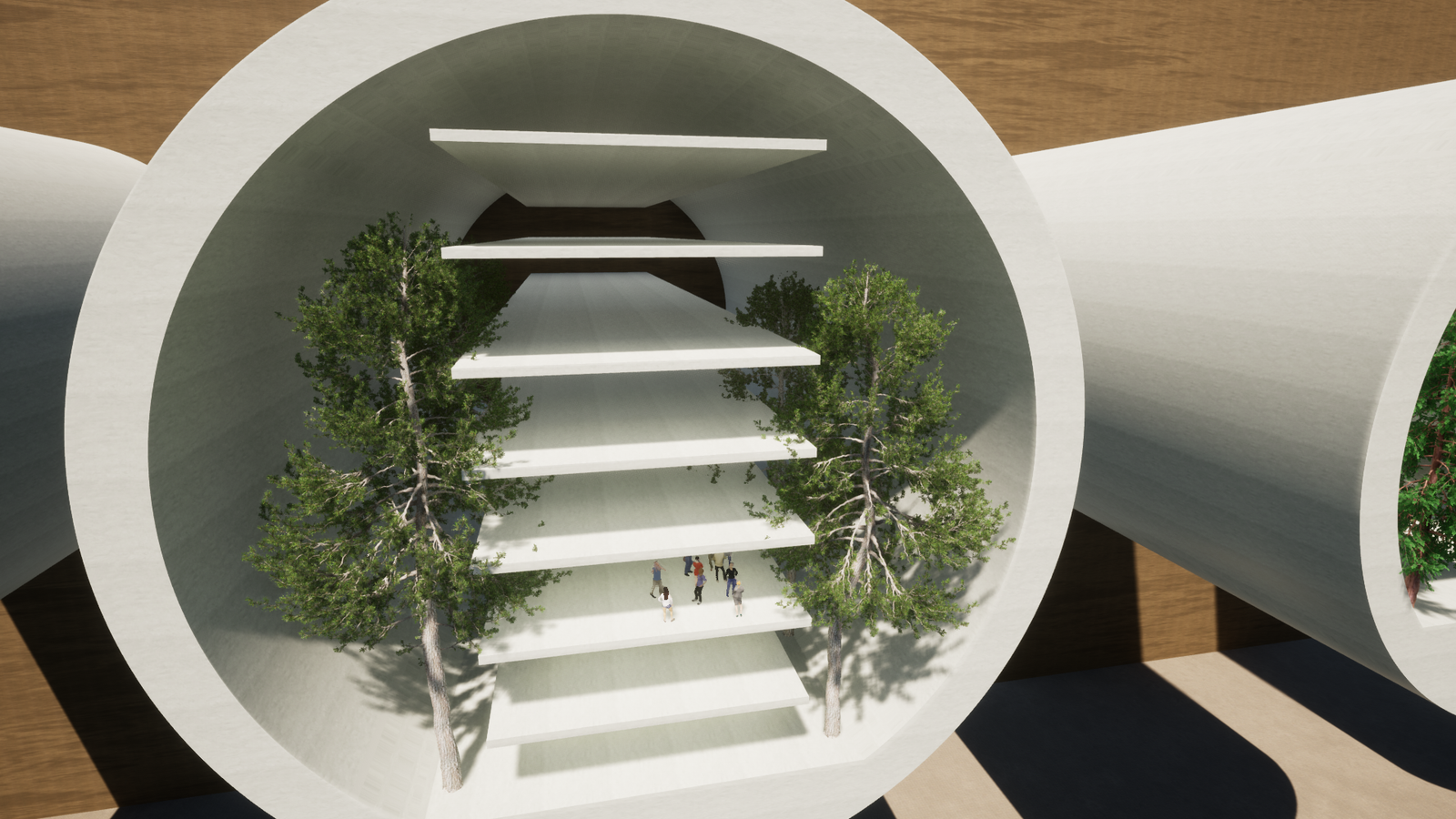
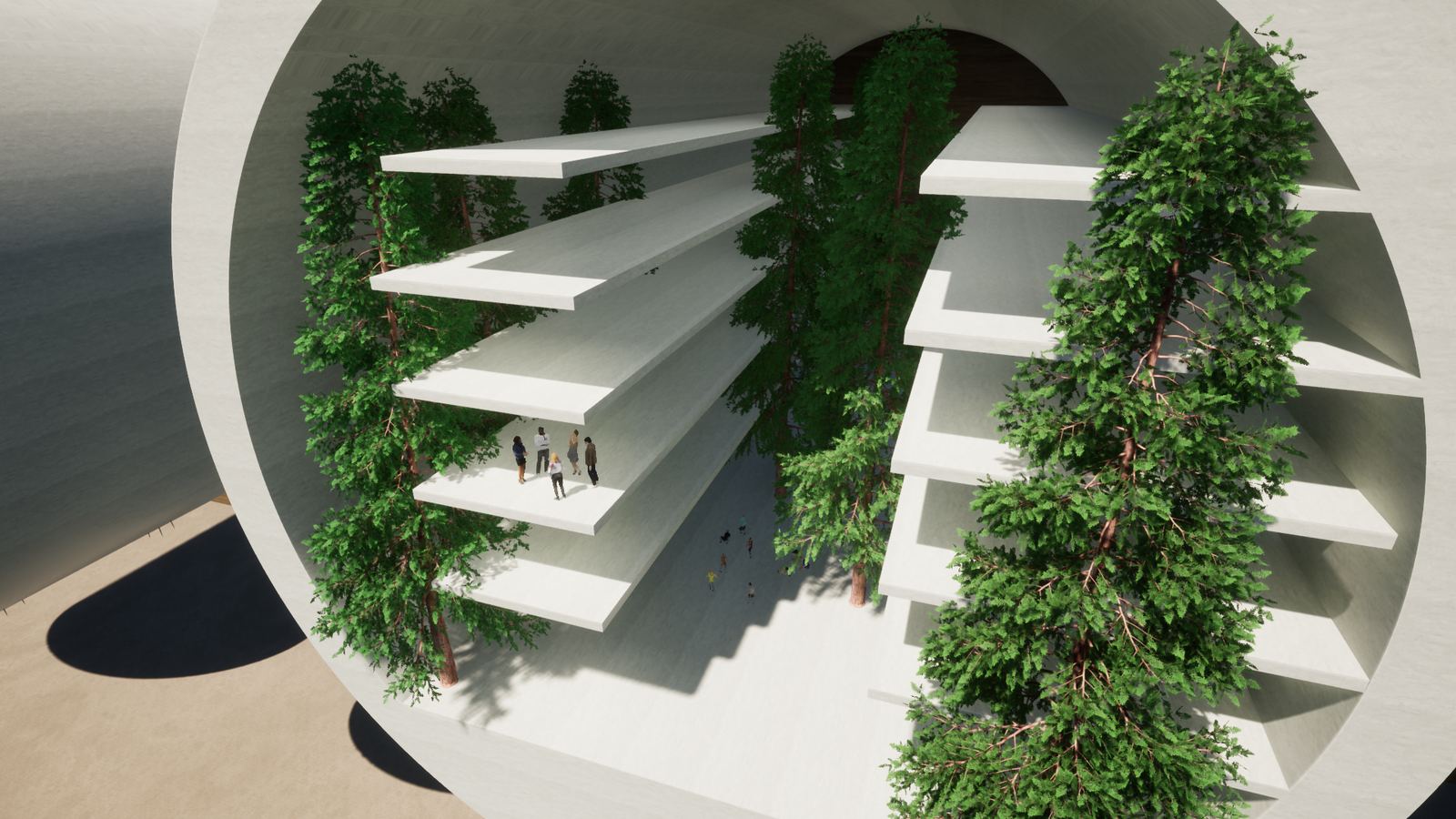
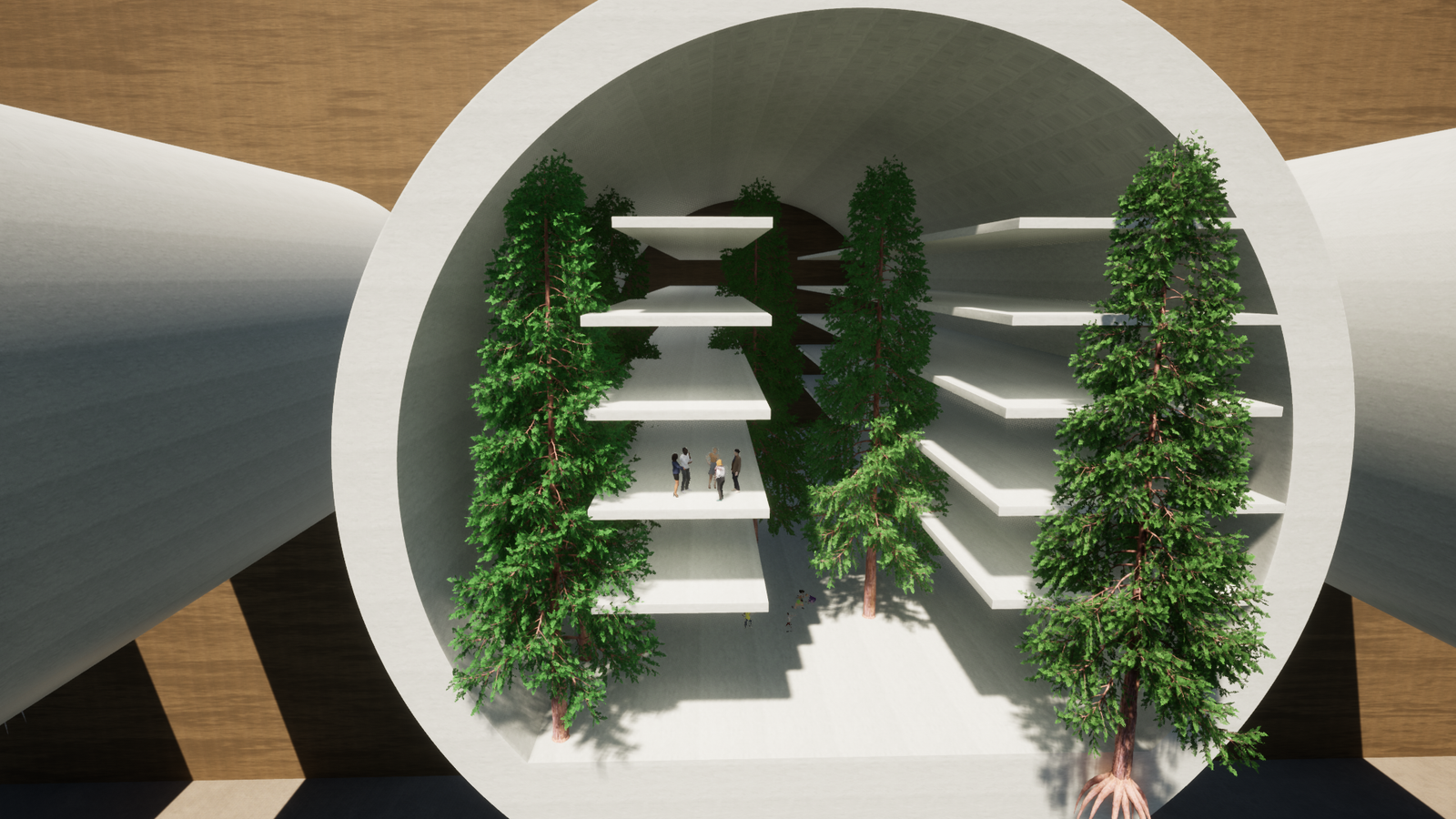
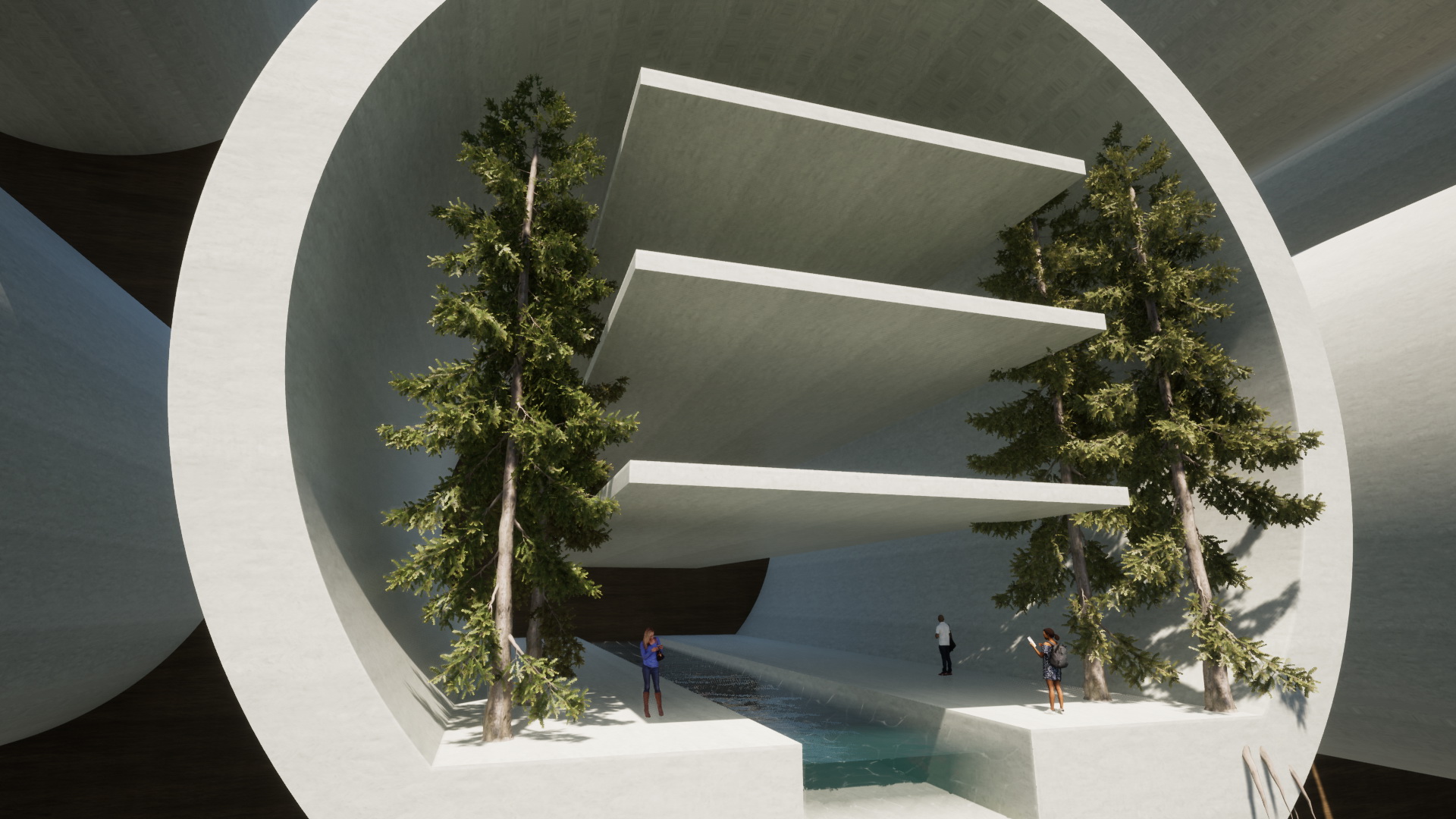
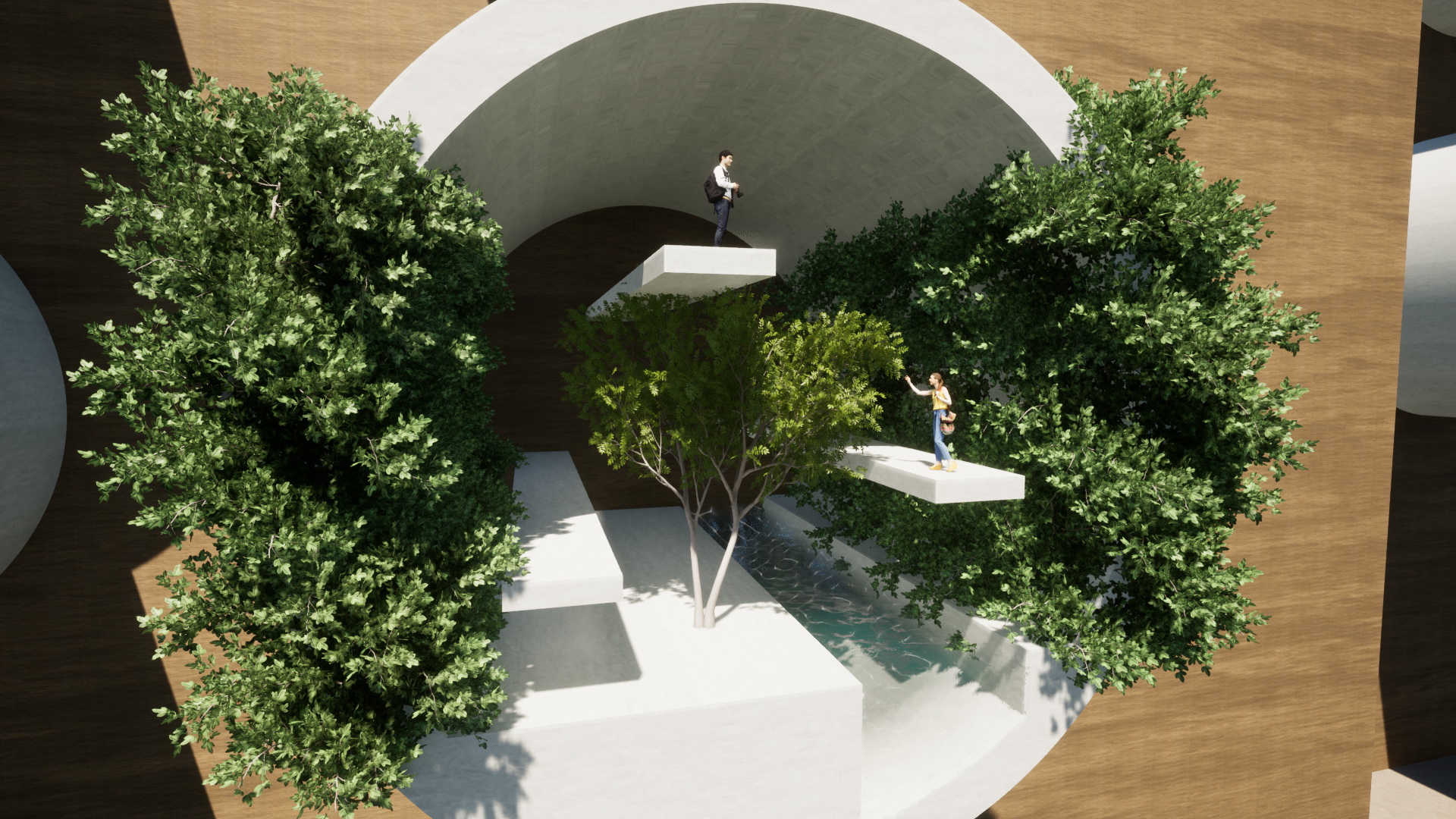
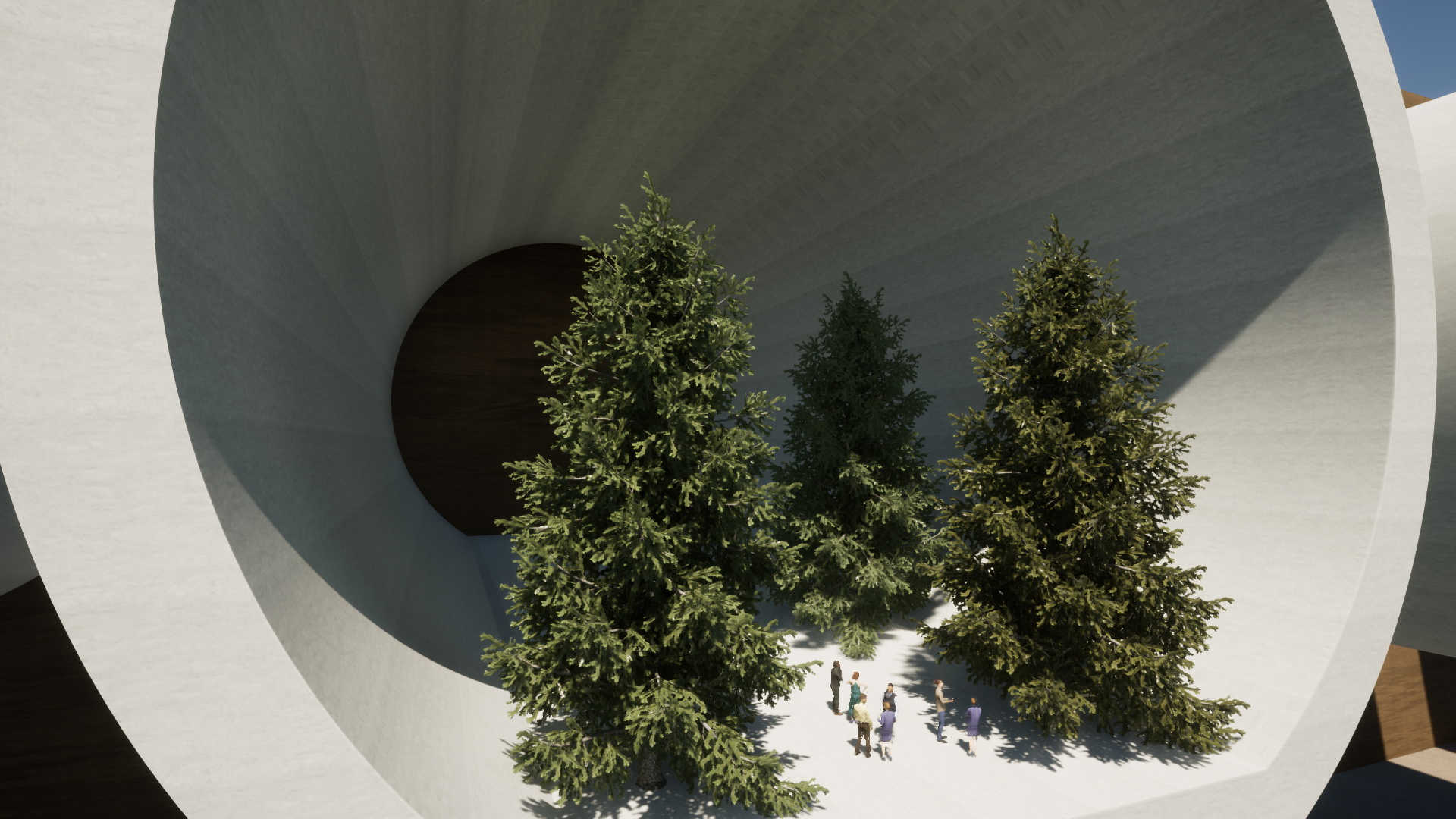
The imagery presented here represents the transition from theoretical “outpost” to “permanent sovereign estate.” These tunnels integrate high-density aeroponic corridors with bioluminescent lighting arrays, powered by localized nuclear and geothermal heat recovery. By utilizing the “reversed photosynthesis” protocols codified in our biothermal research, these subterranean volumes become self-oxygenating, carbon-rich environments capable of sustaining complex botanical canopies deep beneath the regolith.
For the full architectural breakdown, including the specific gravity-based gas stratification models and the thermodynamic calculations for Martian subterranean heat retention, please refer to our primary technical manuscript.
[Access the Full Research PDF: How to Colonize Mars – Structural Blueprints]
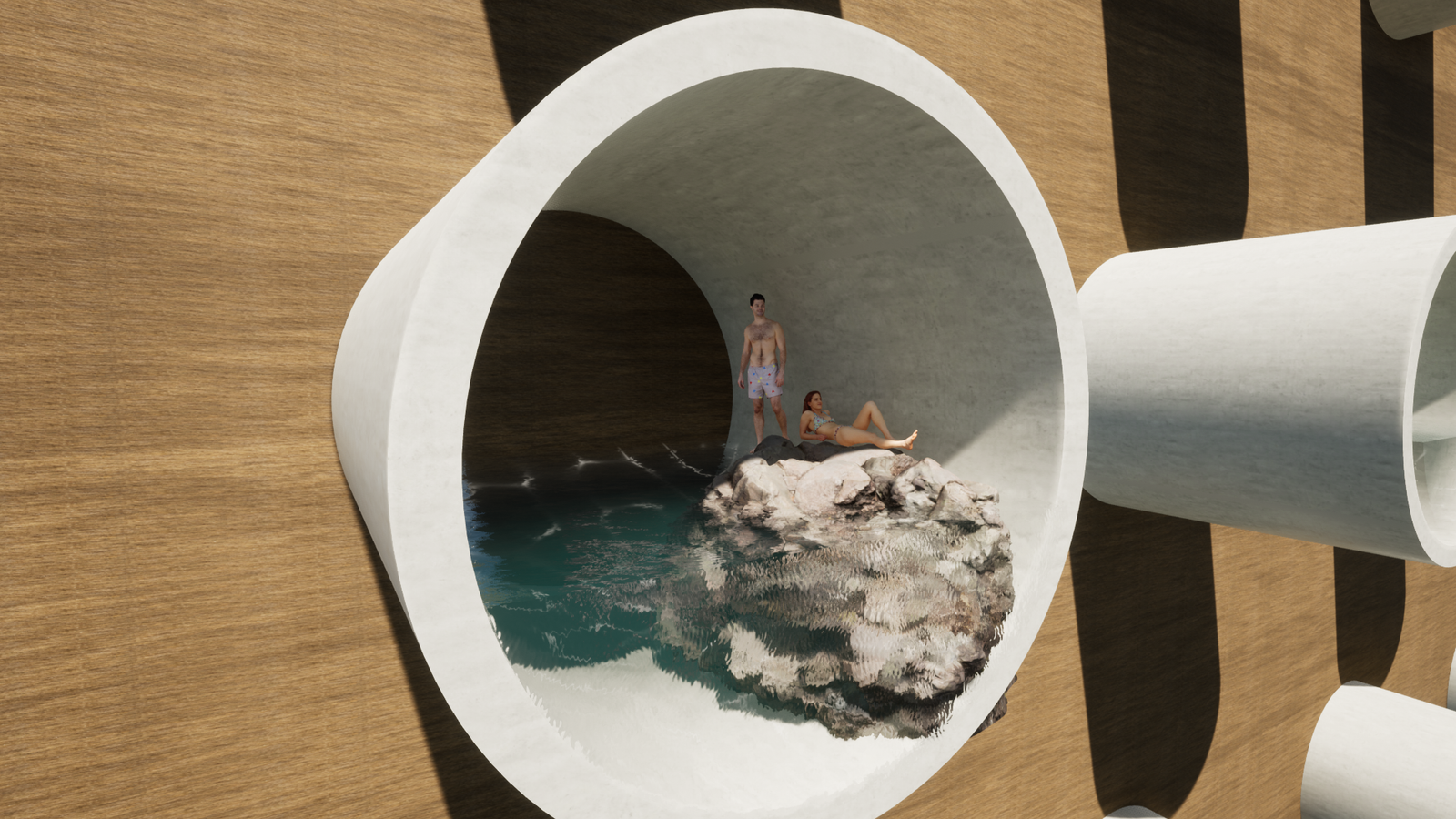
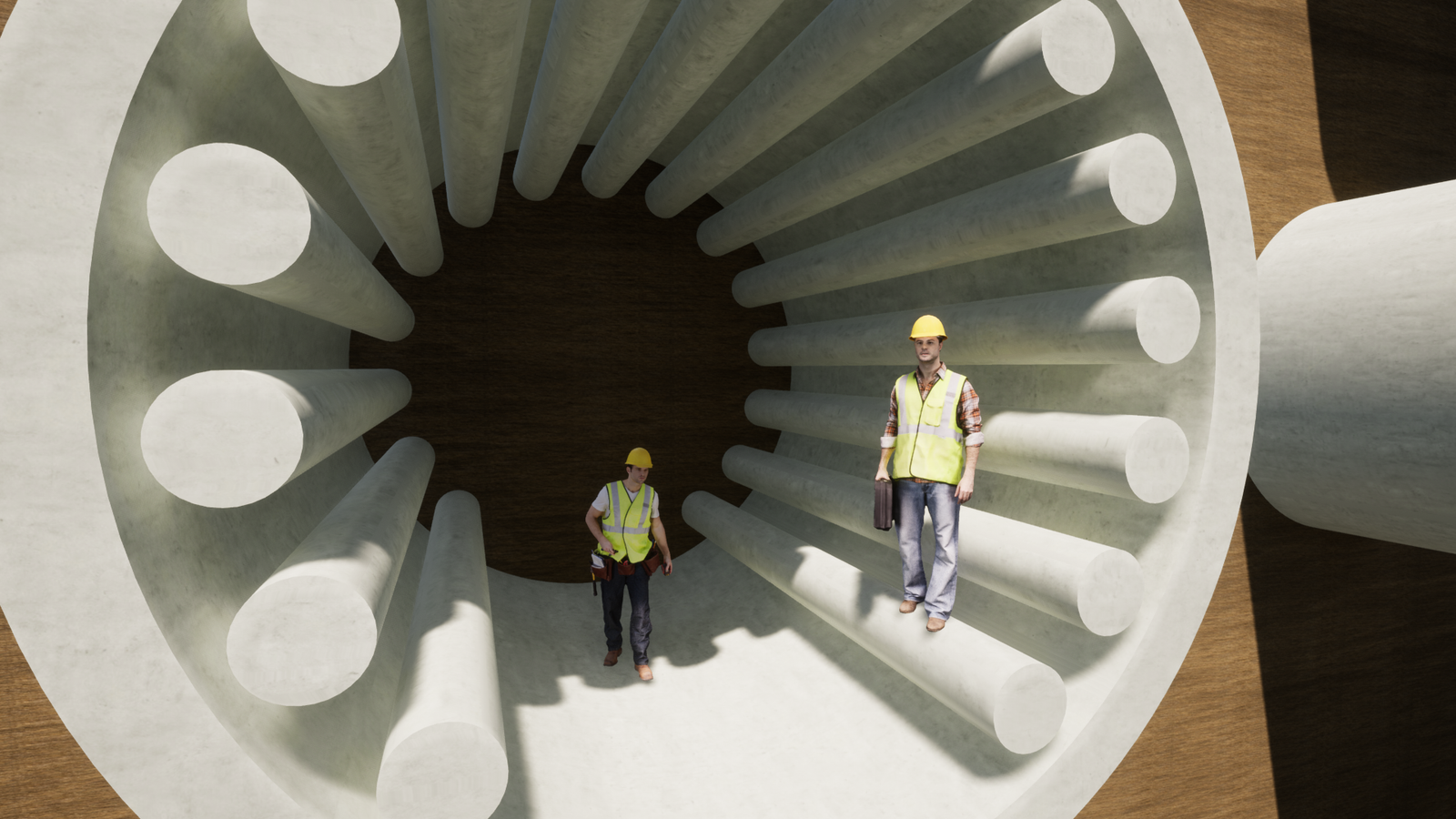
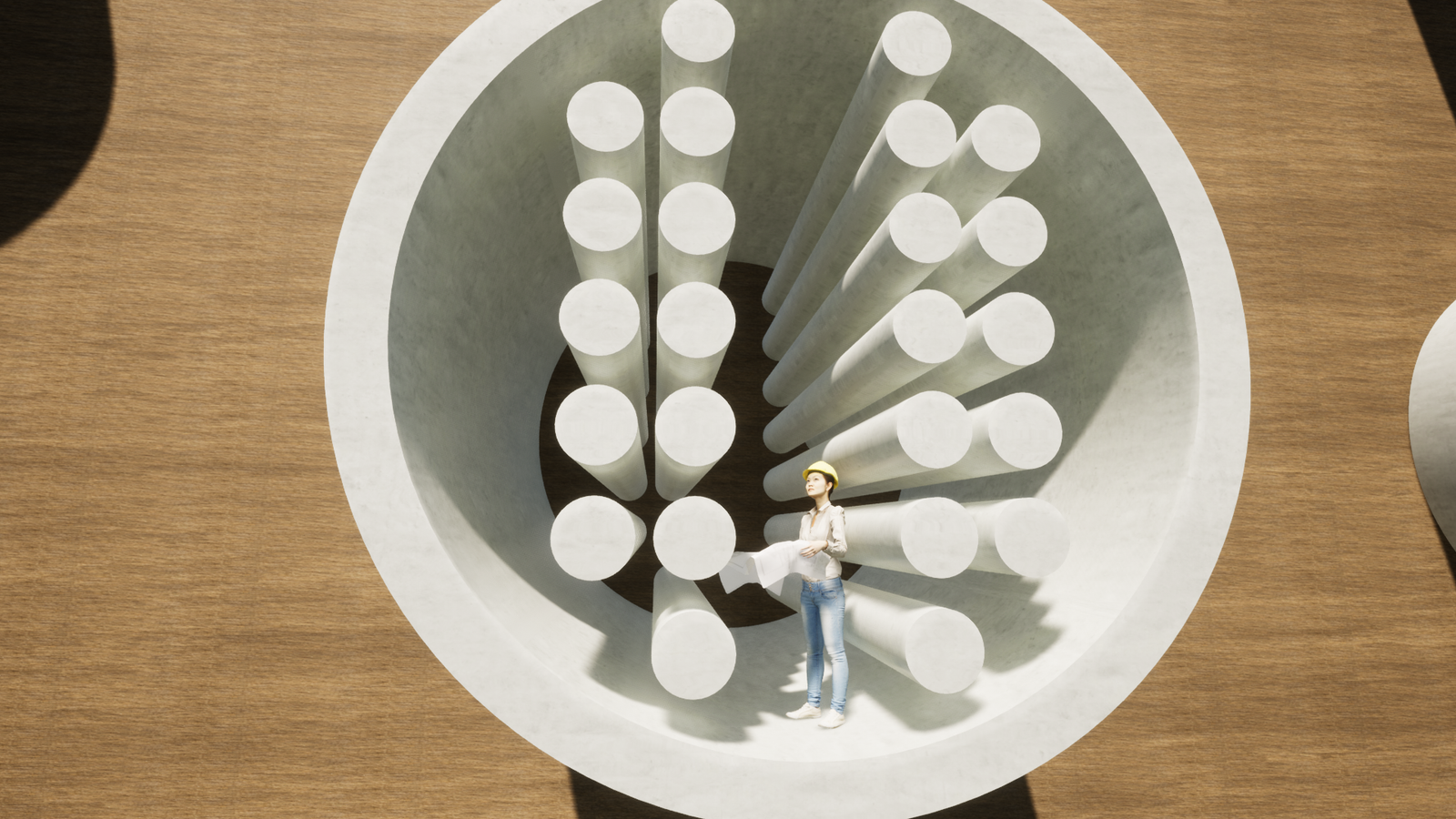
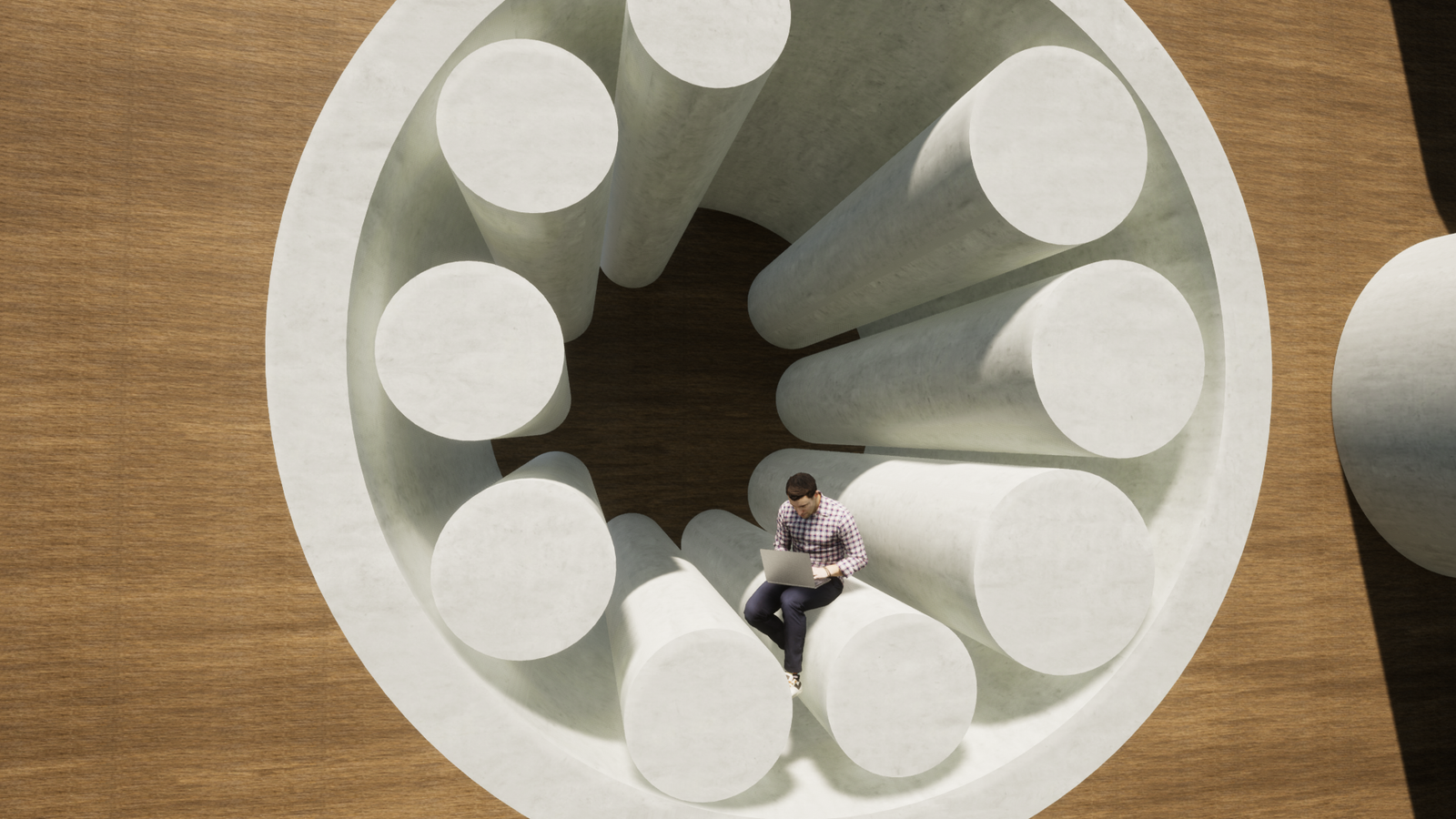
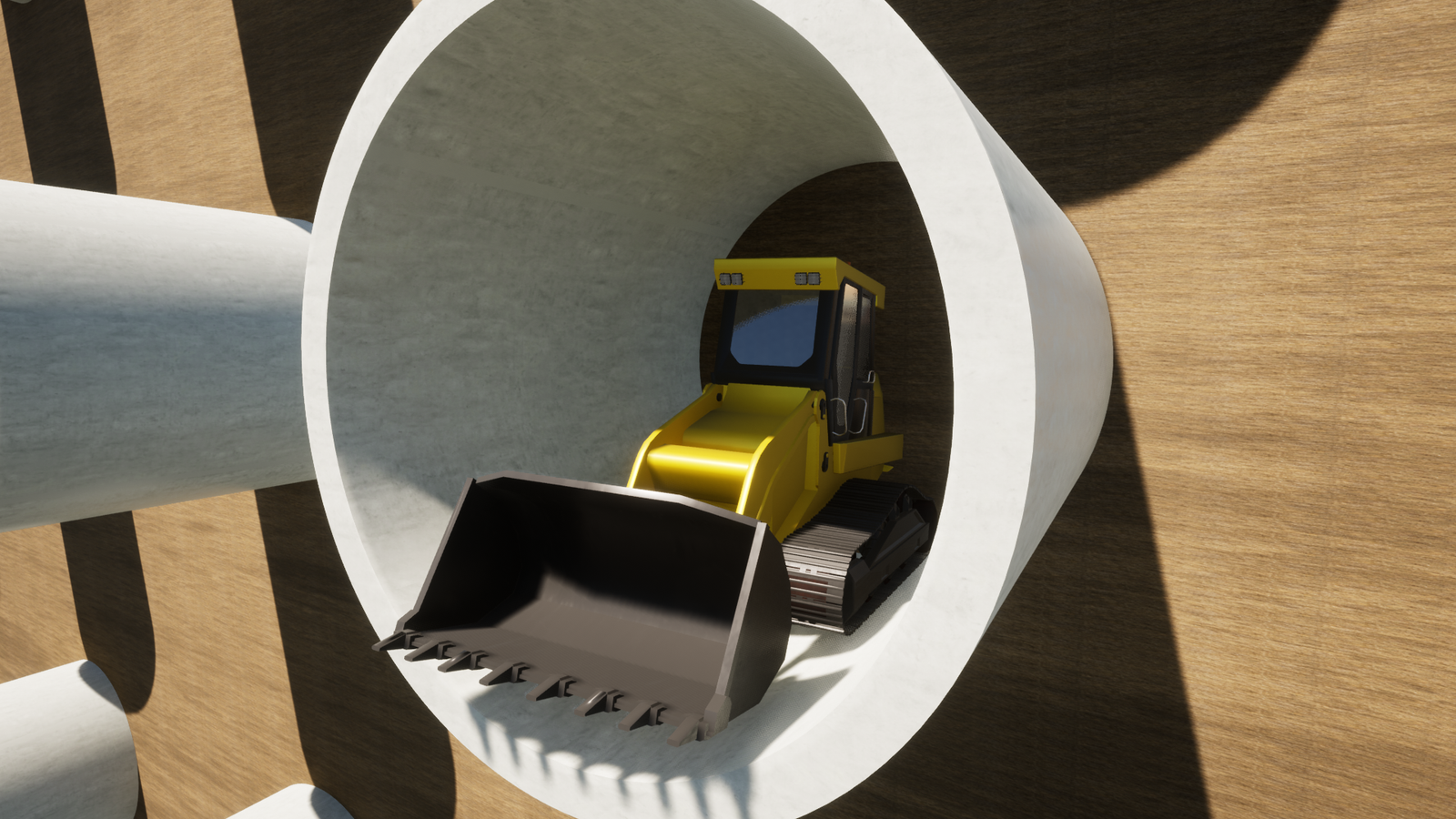
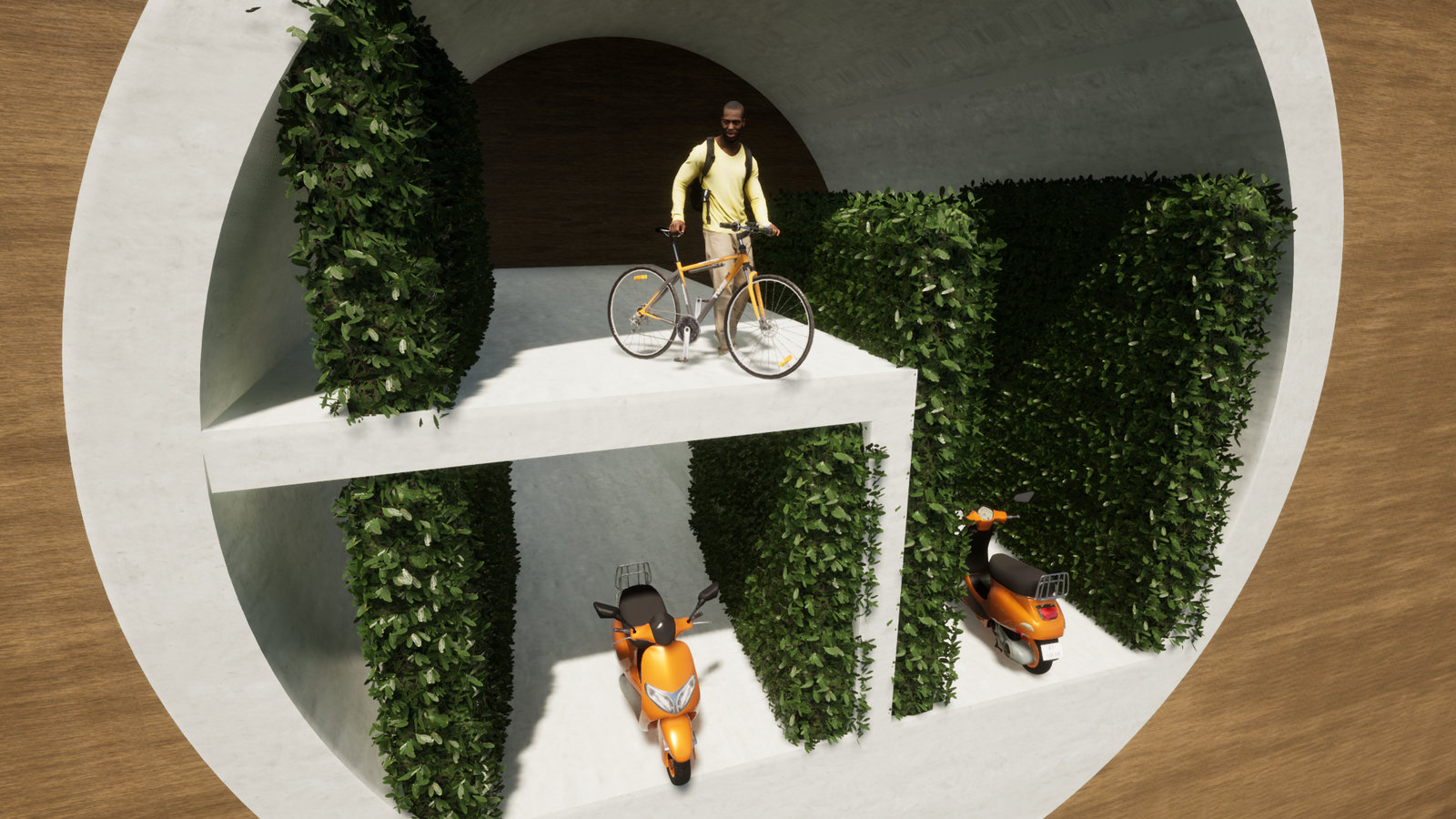
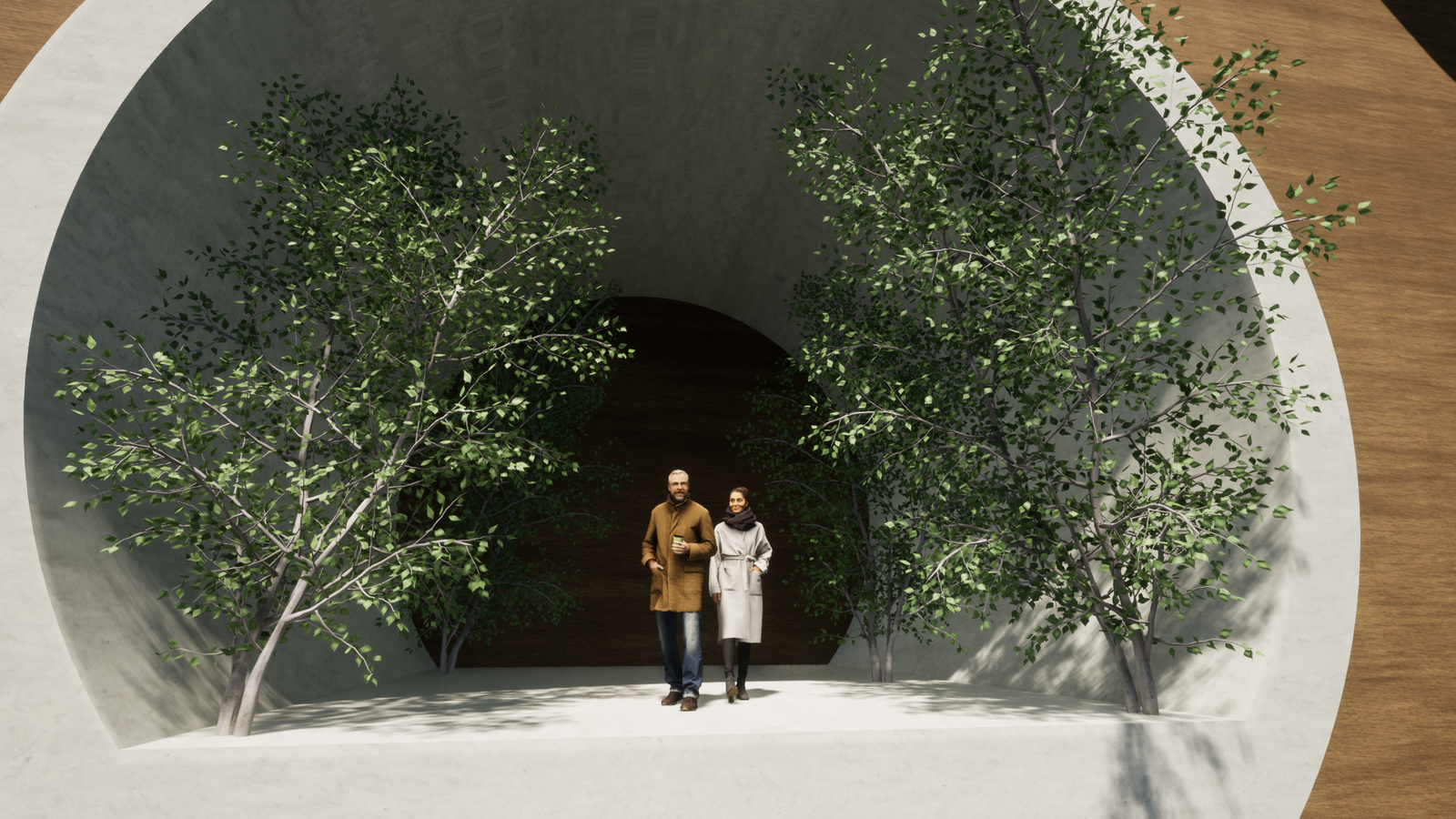
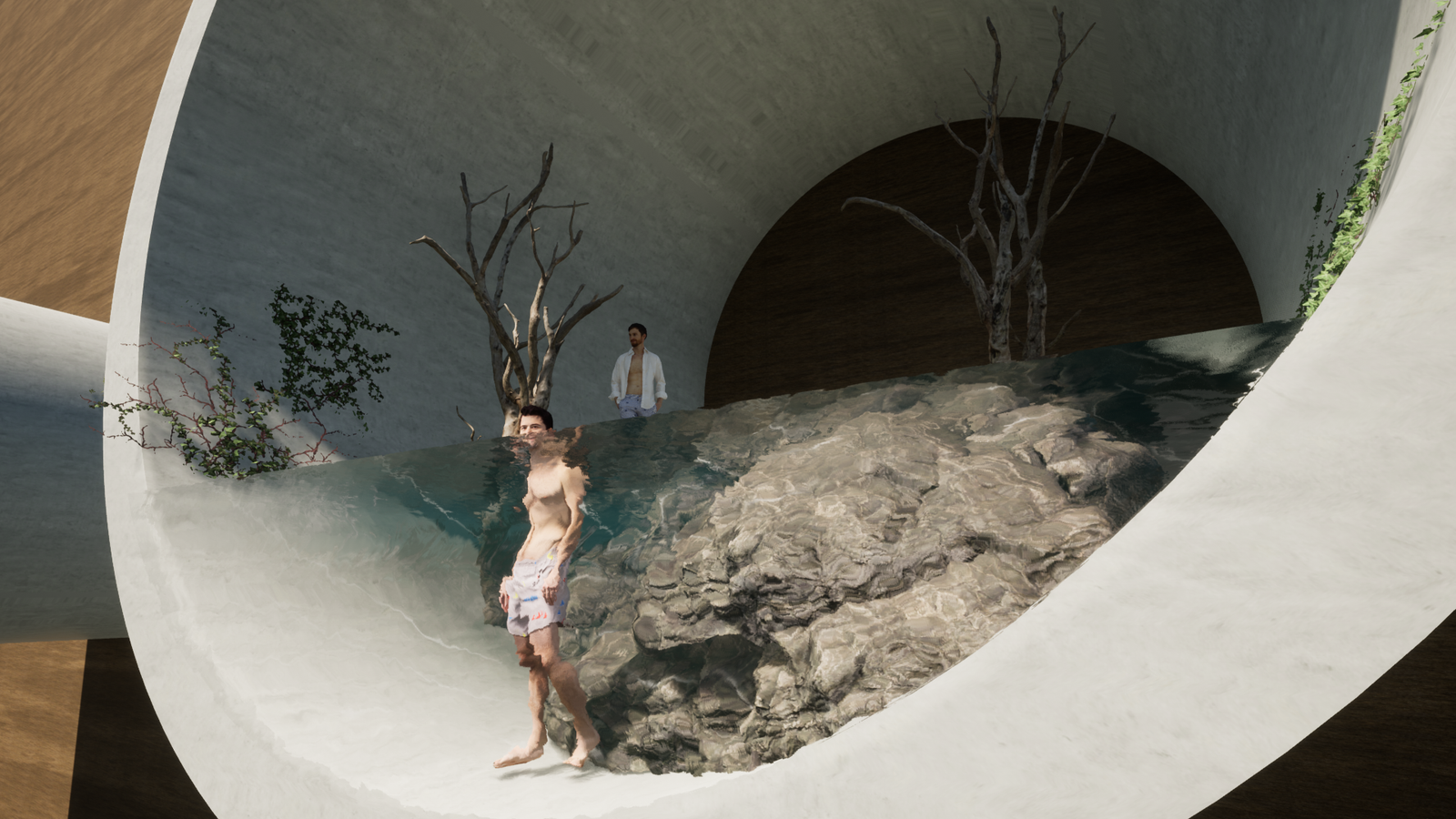
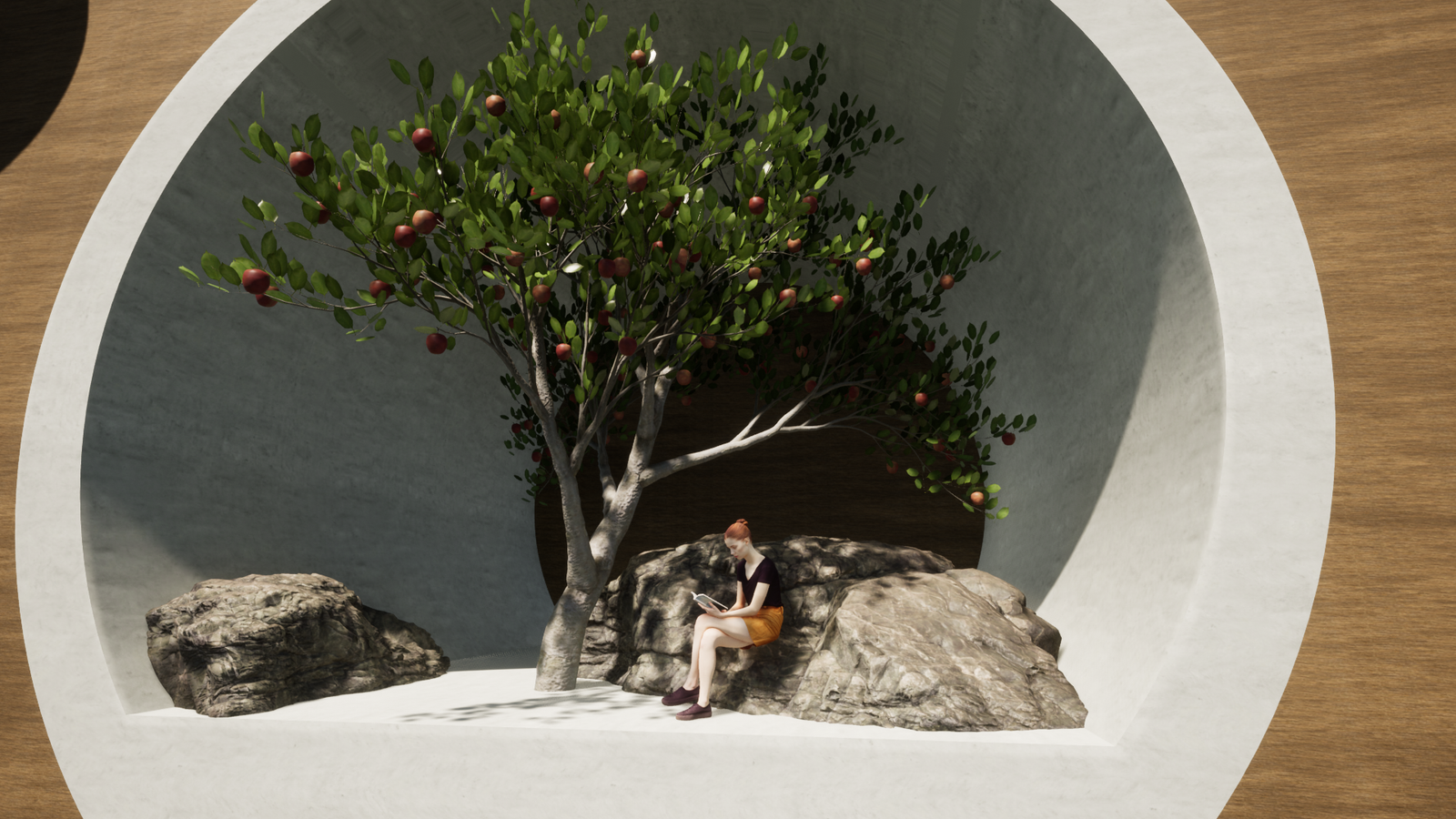
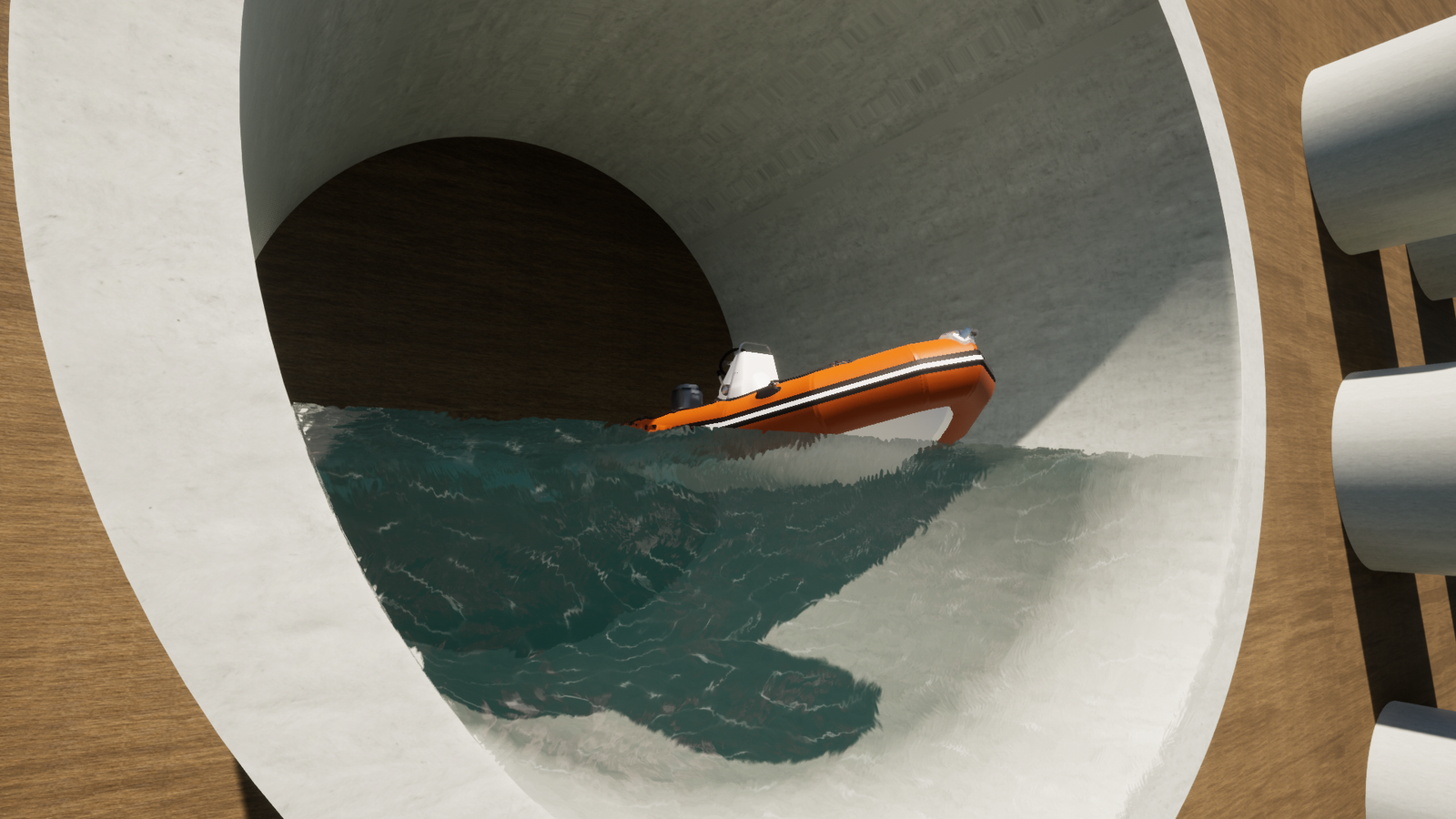
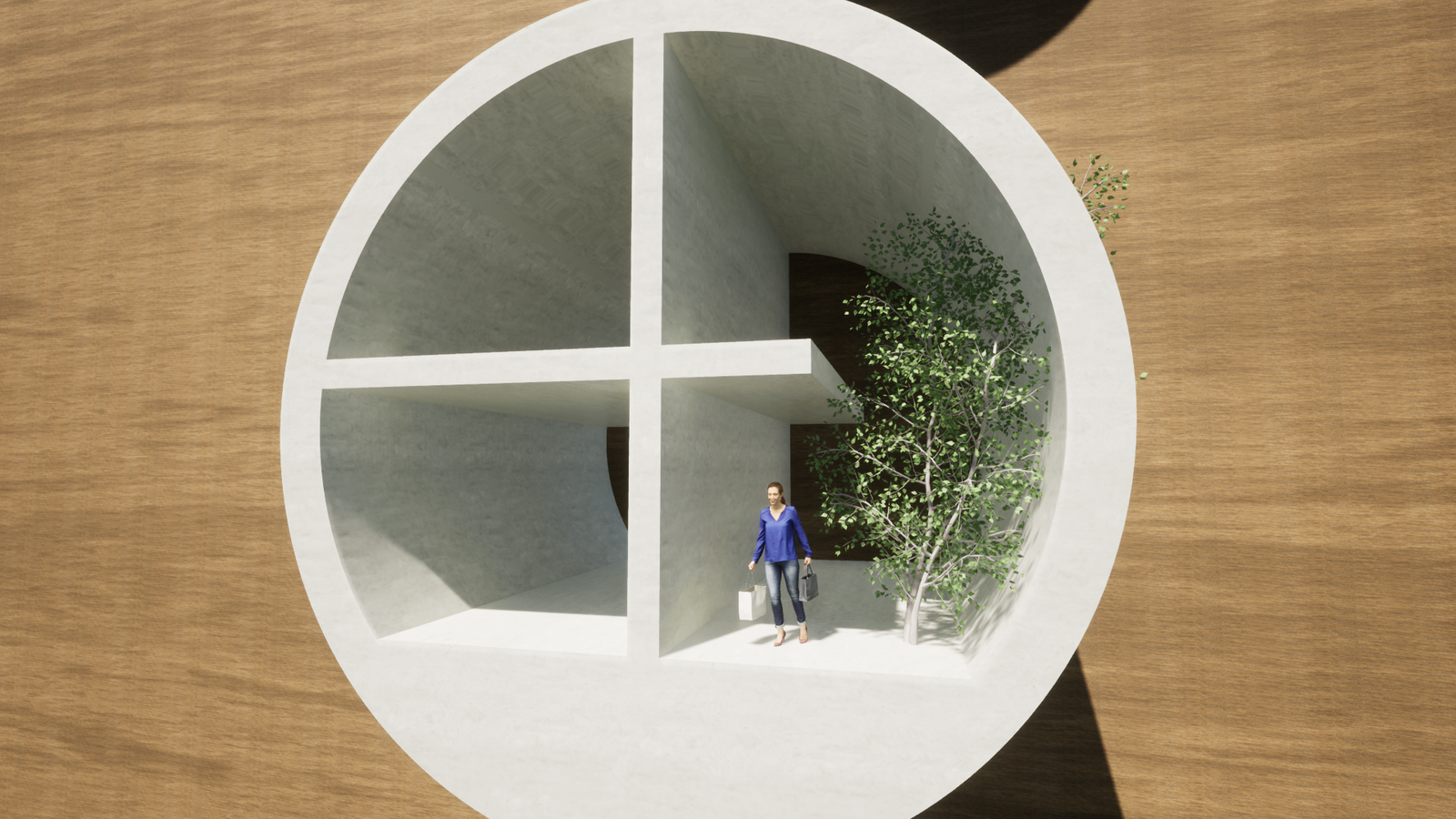
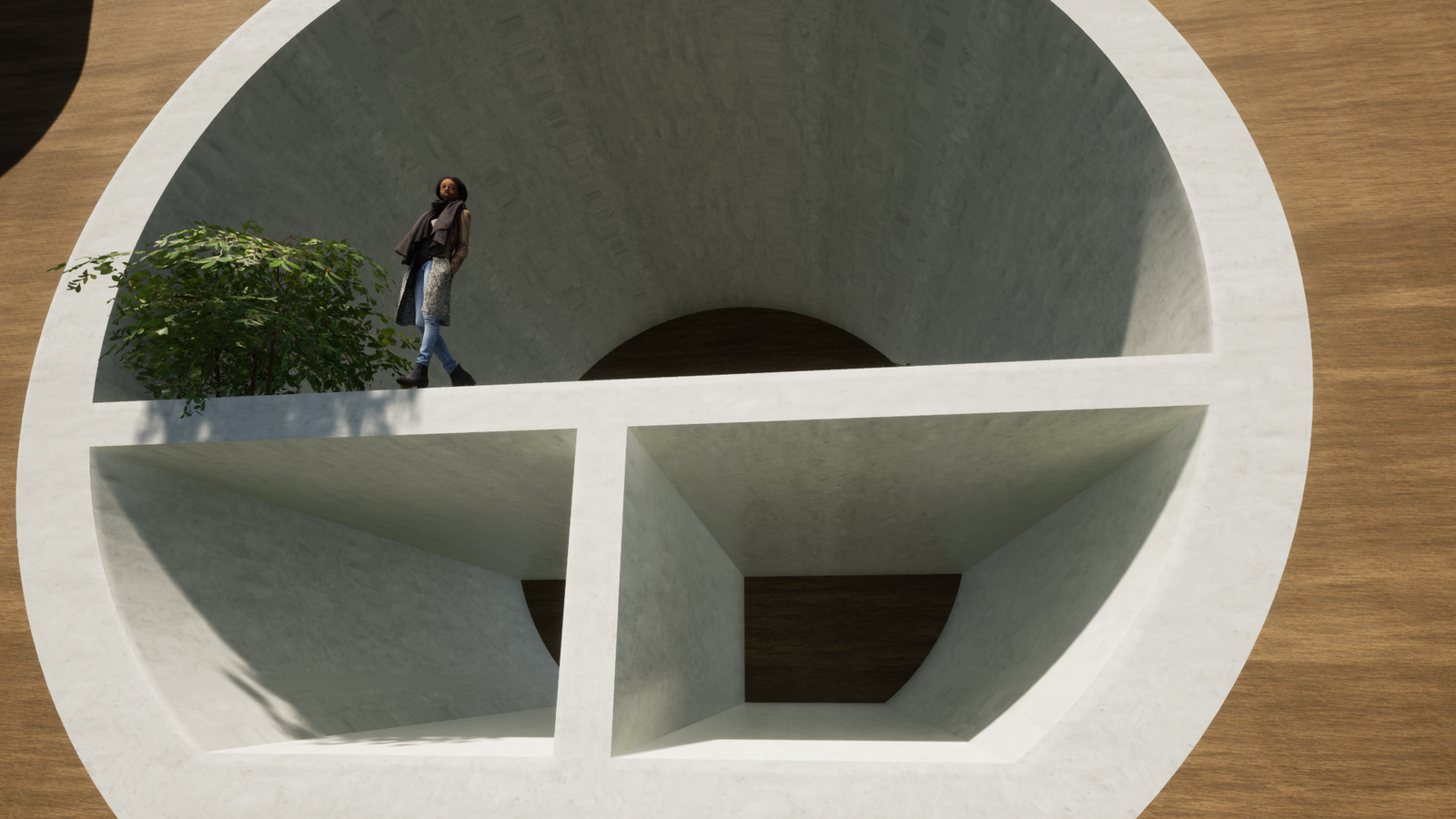
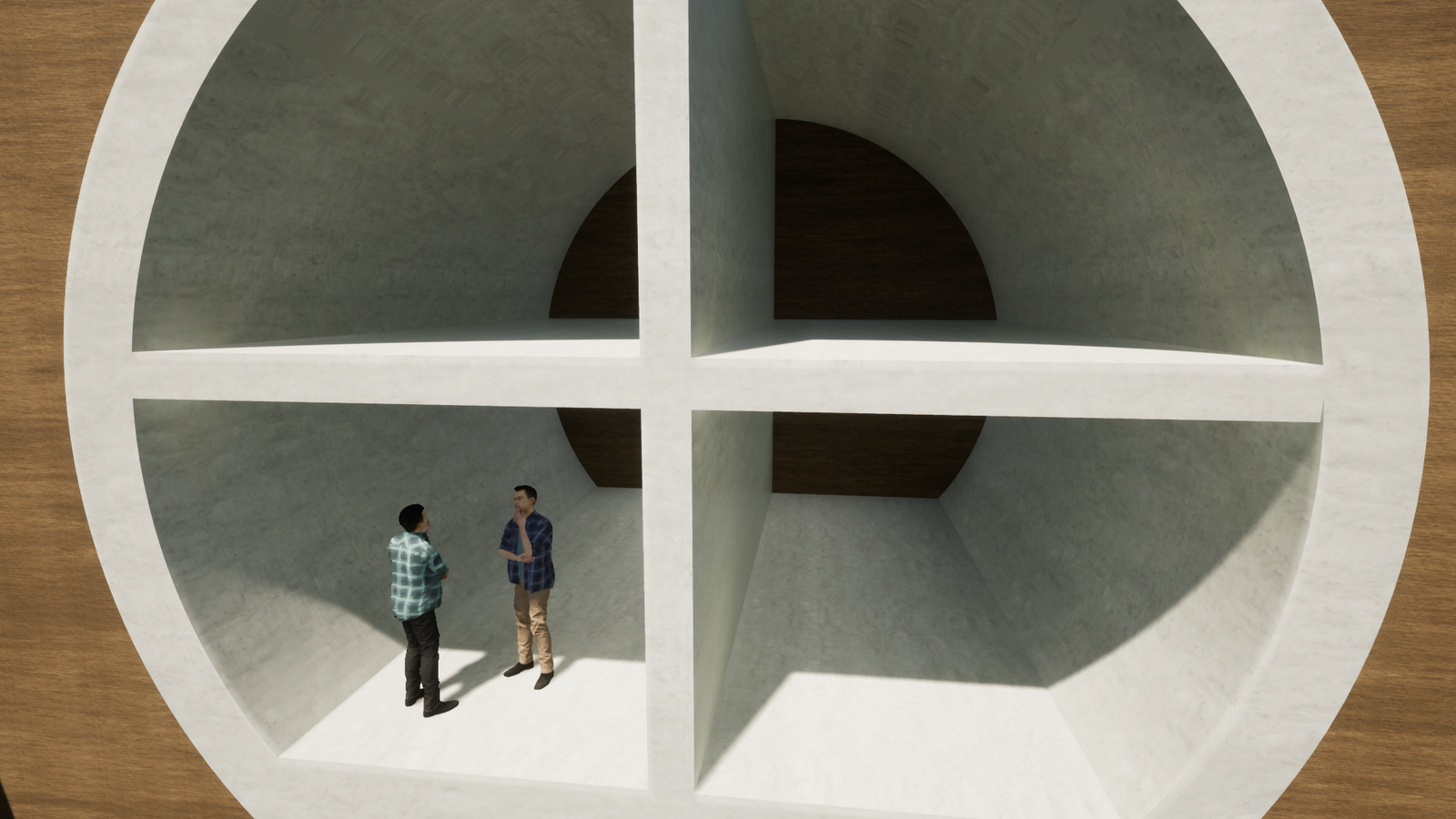
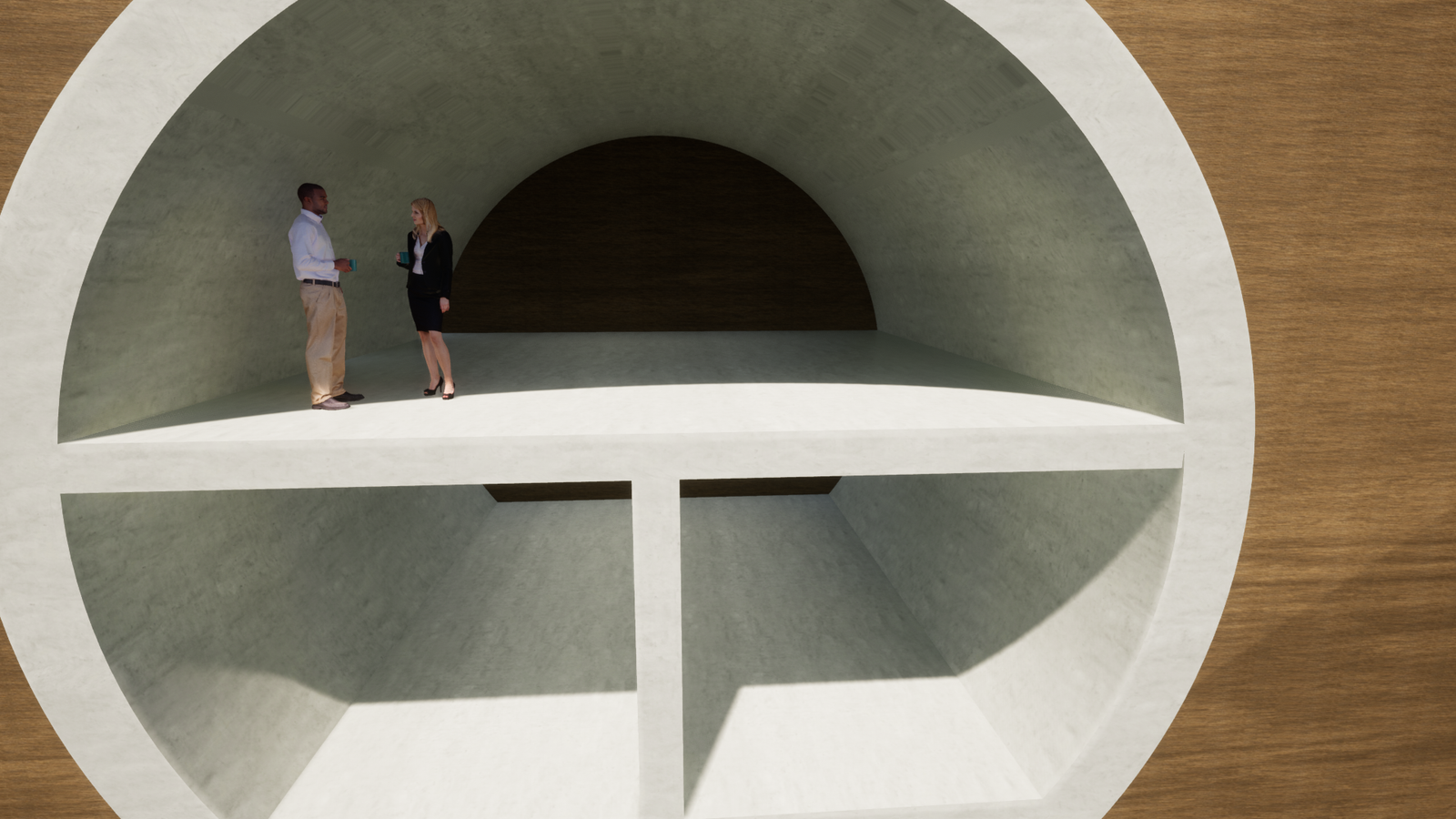
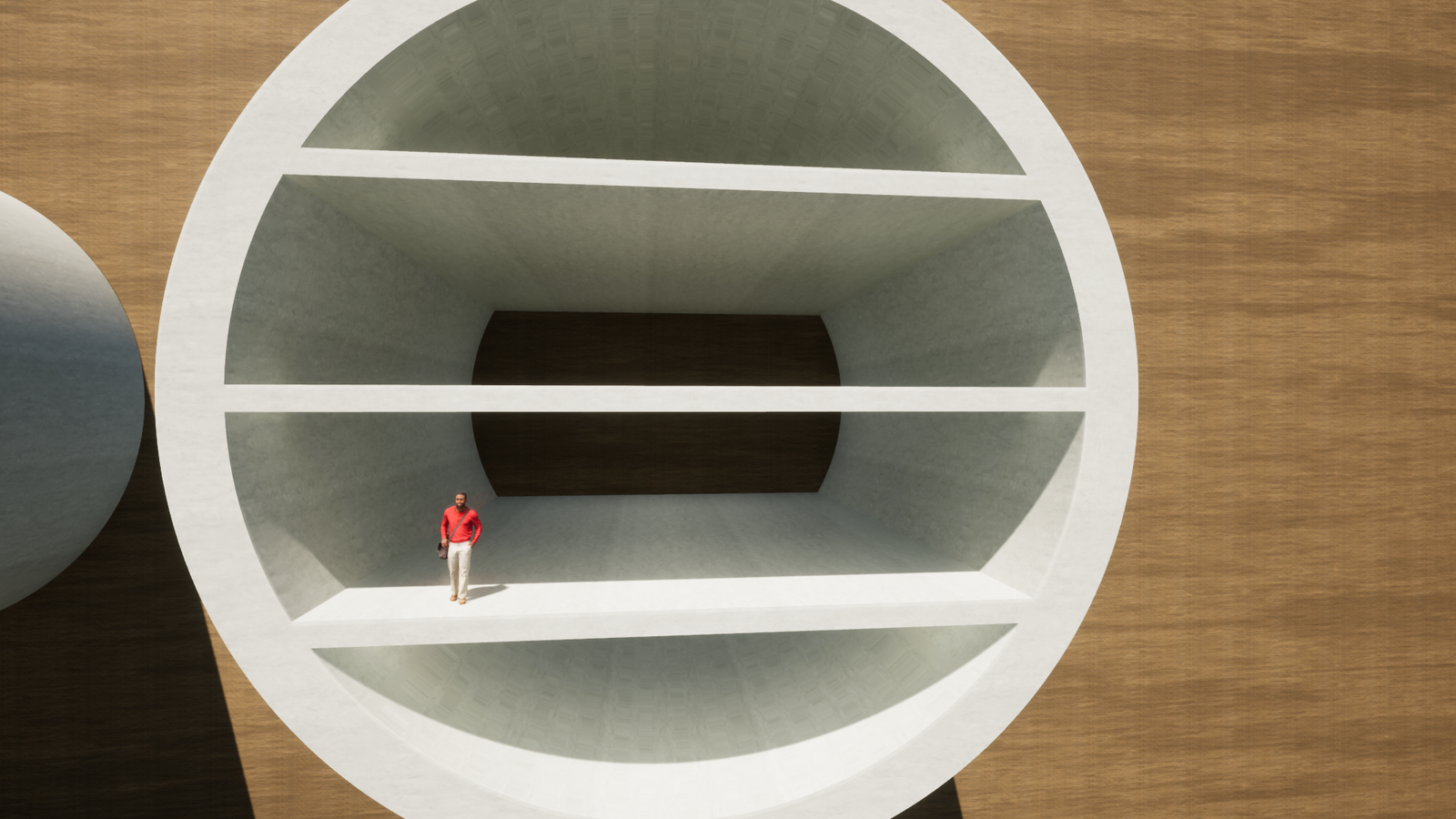
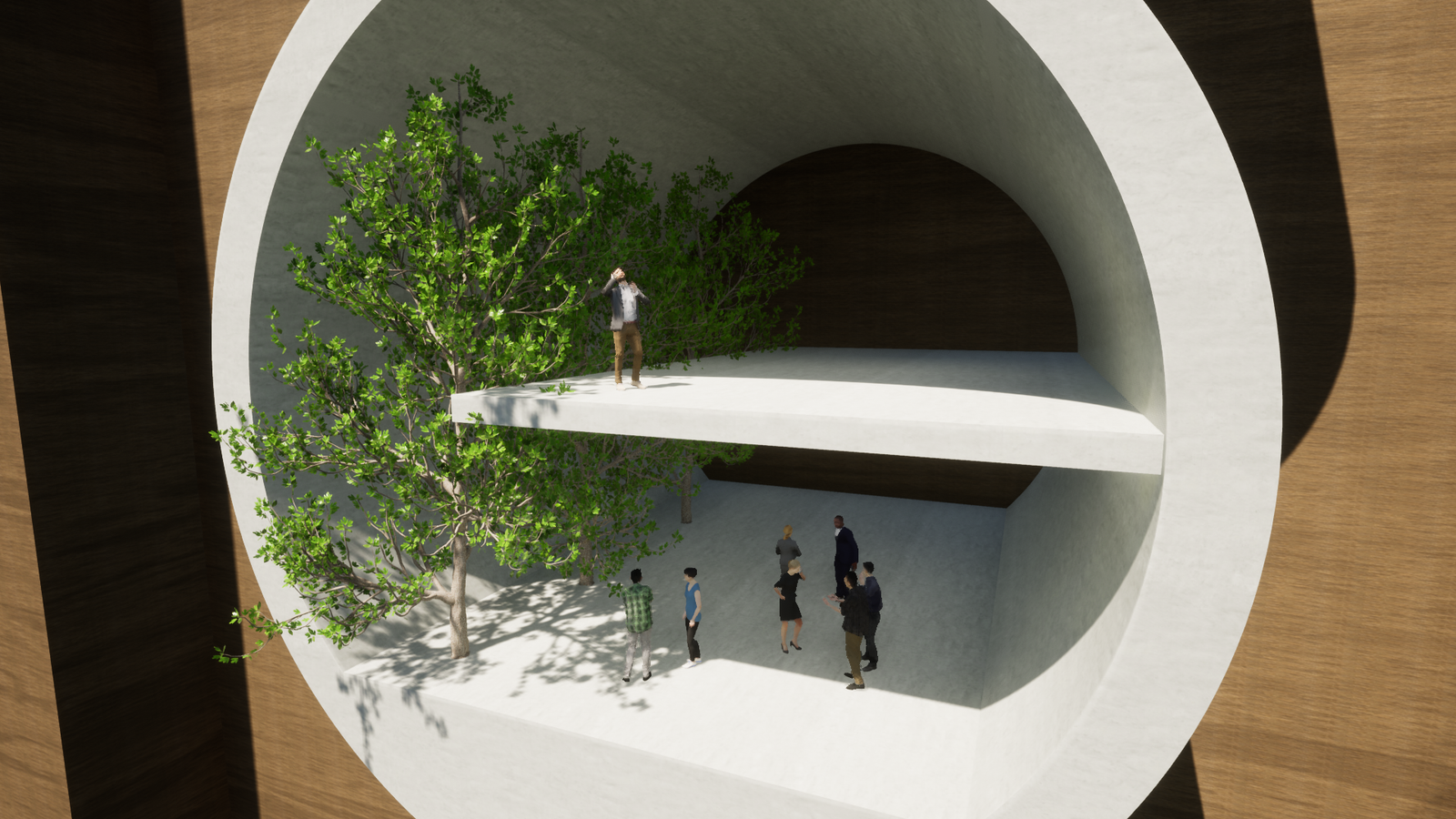
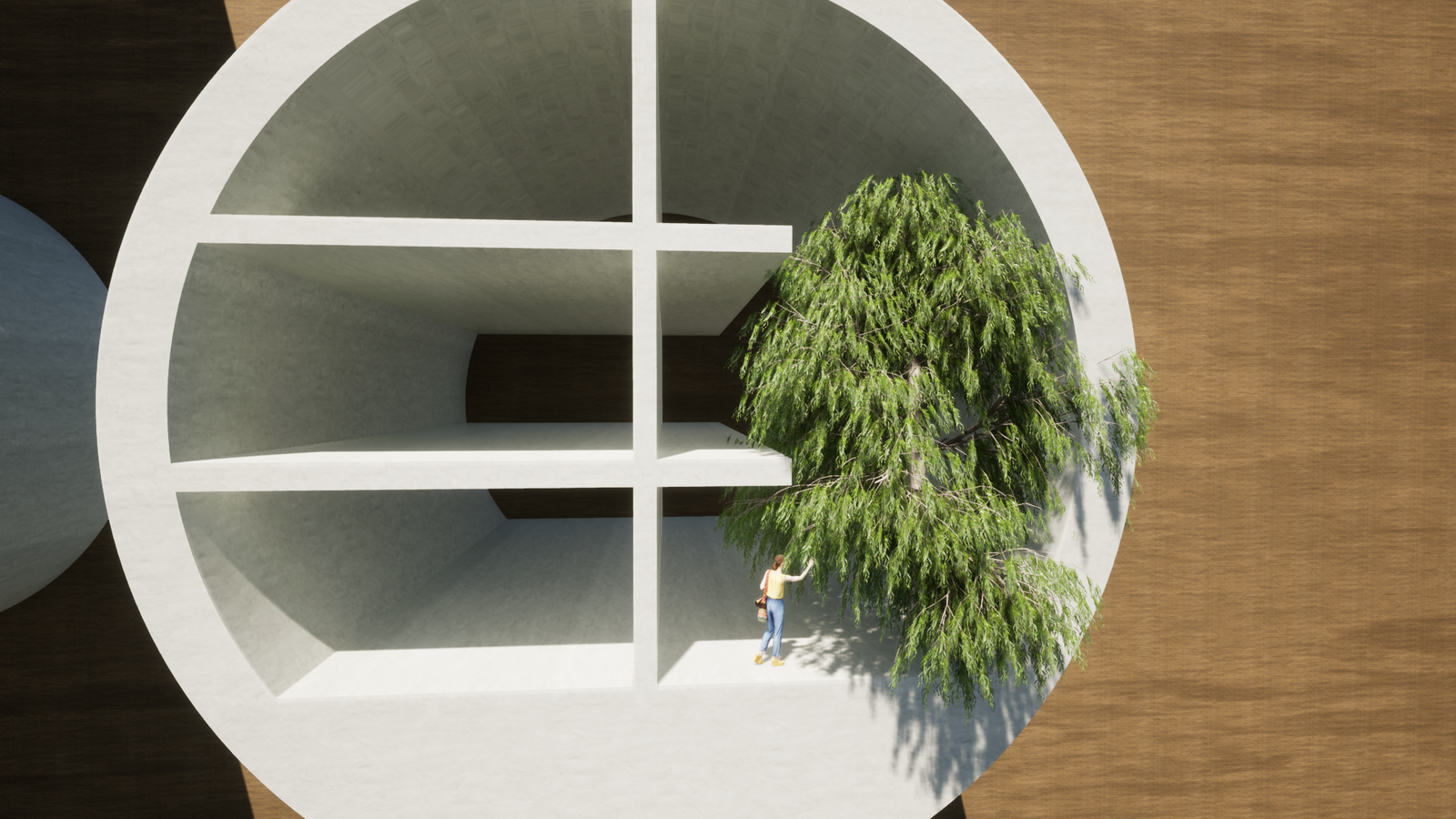
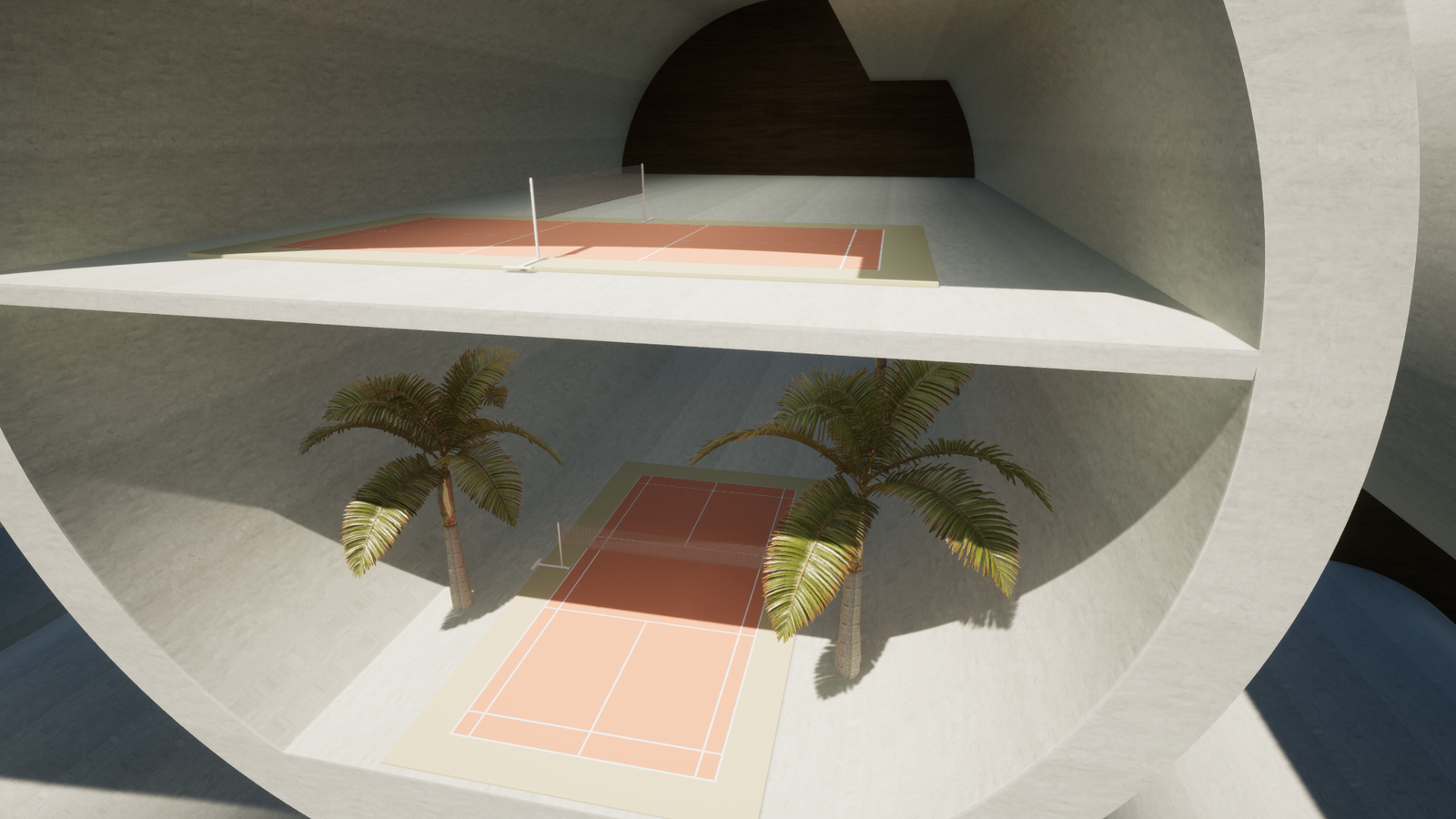
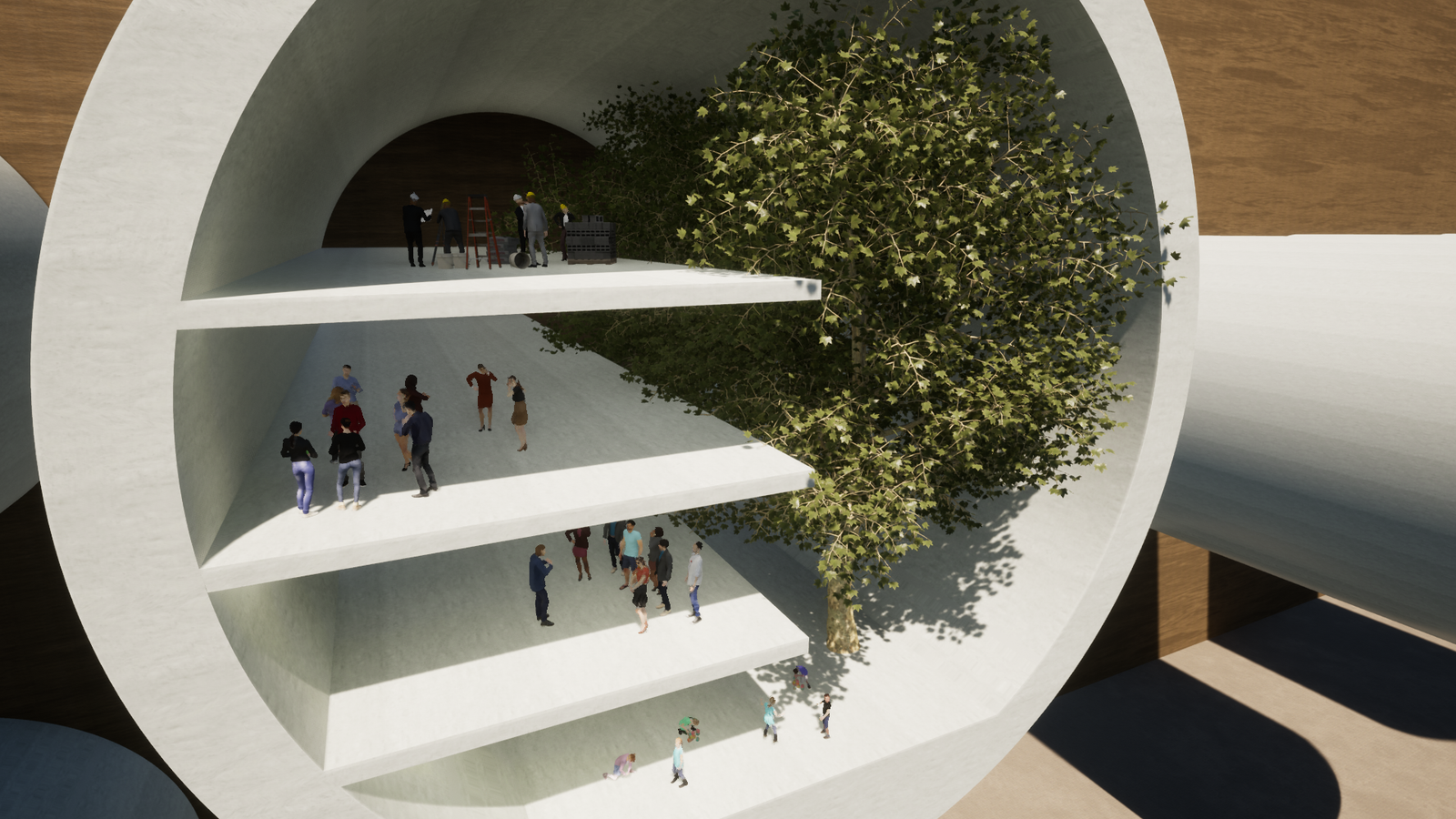
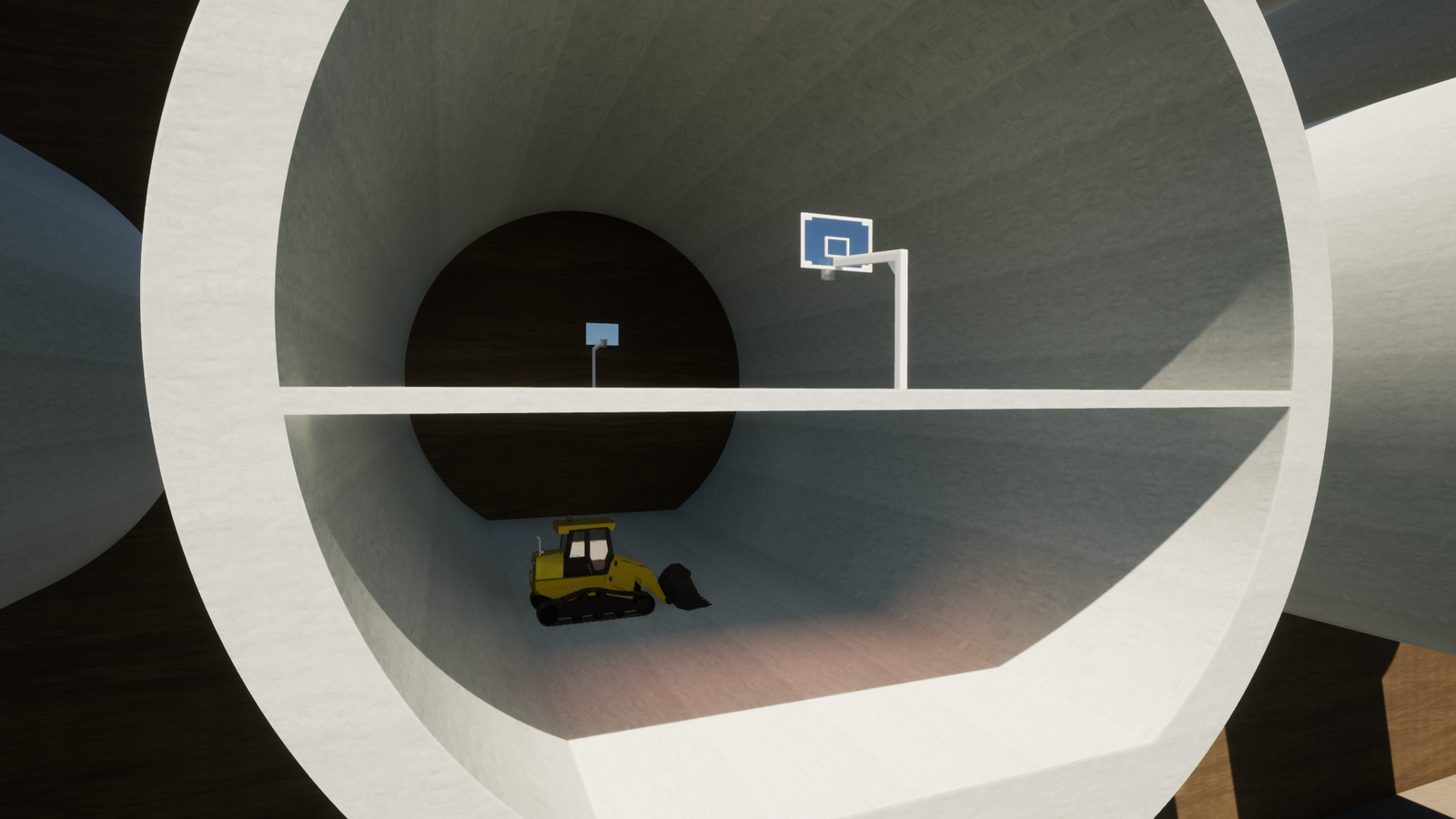
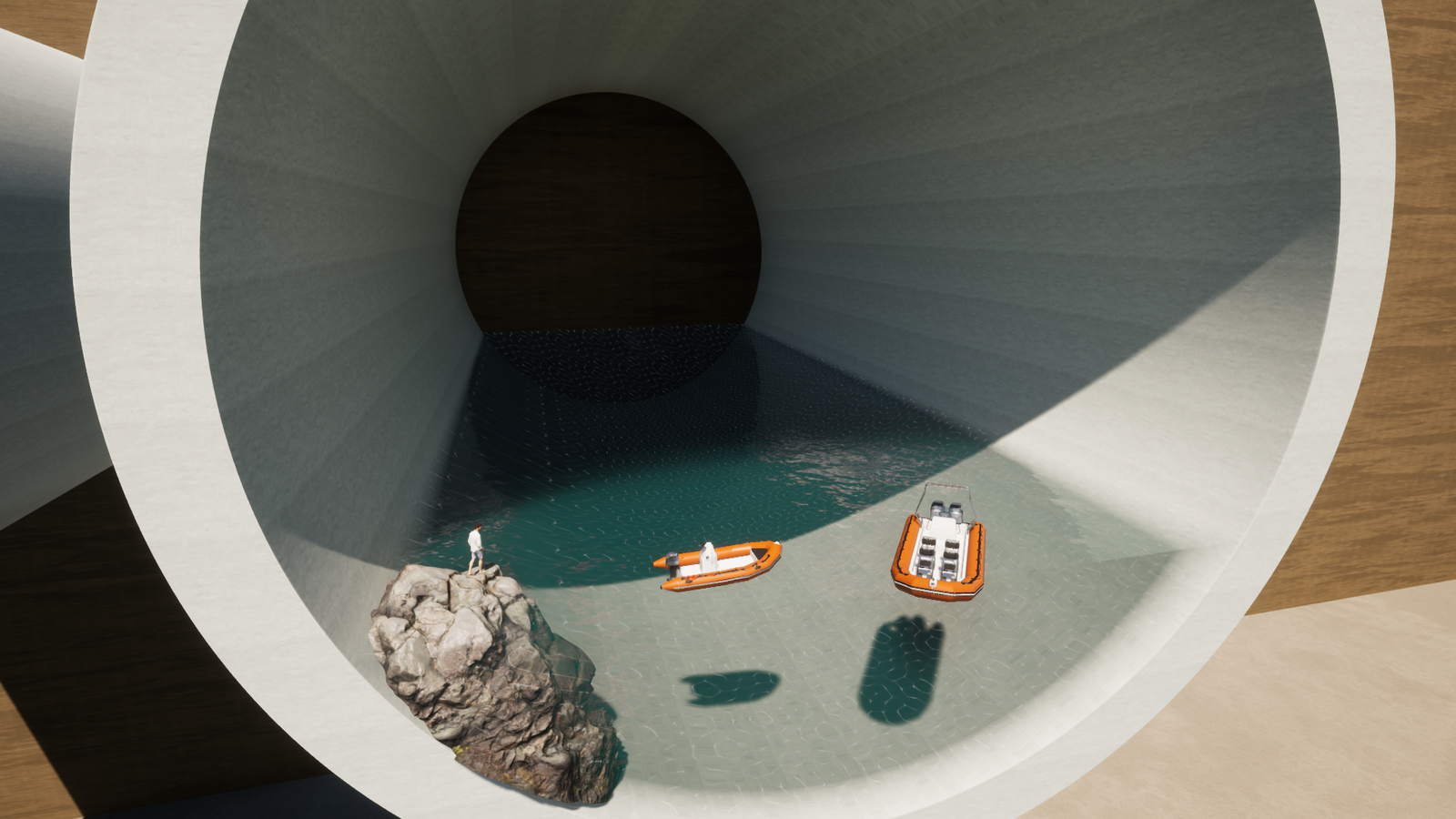
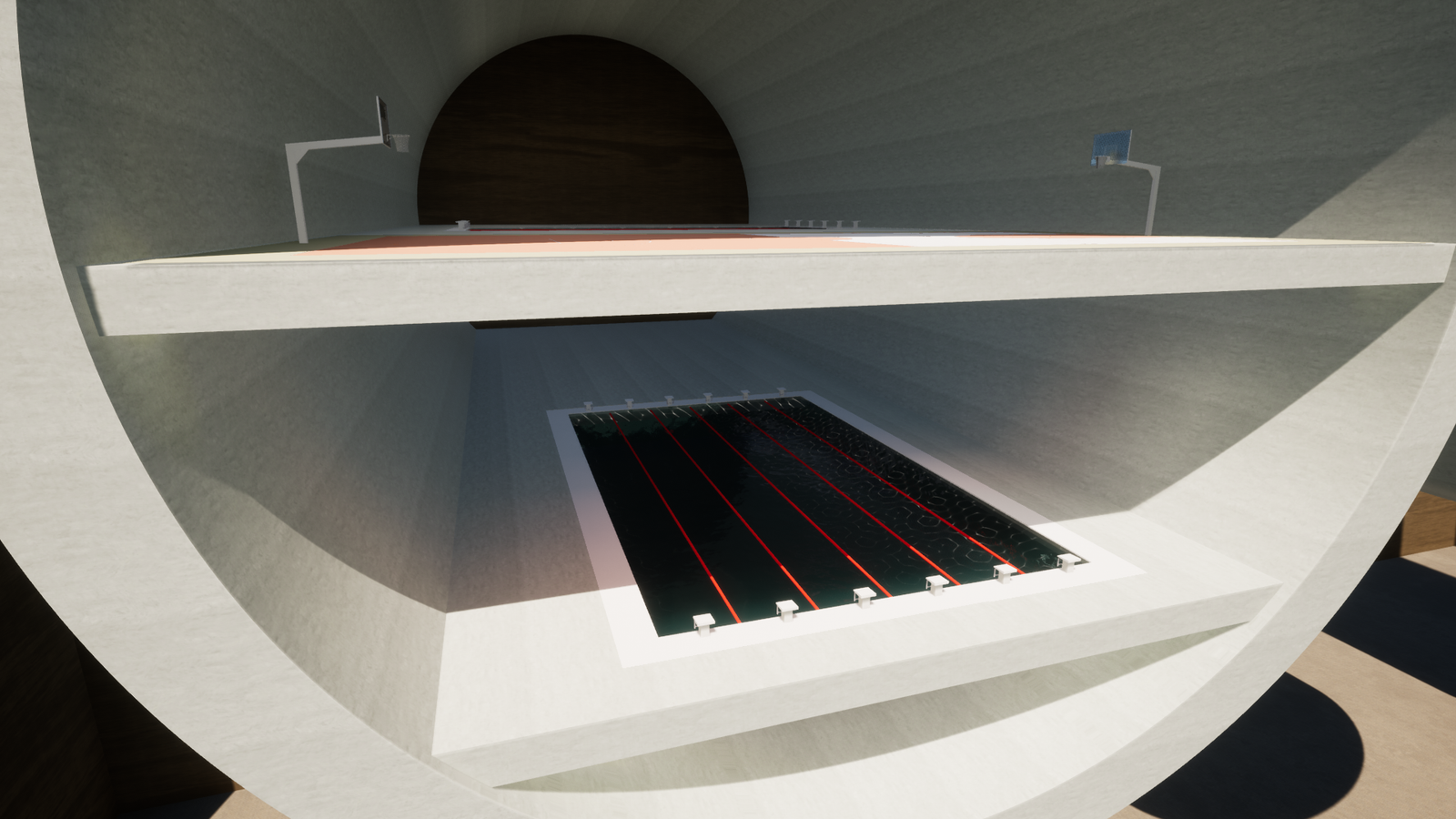
In time technology advances. We will be able to dig wider and wider. Imagine parallel, multi-level 3d interconnected framework built up from tunnels. The possibilities are endless. A sketch to show the main idea. We’ll zoom into them on the next page. For now, just notice the scale. Within relatively small openings we can fit in “skyscrapers” or a forest.
Tunnel examples
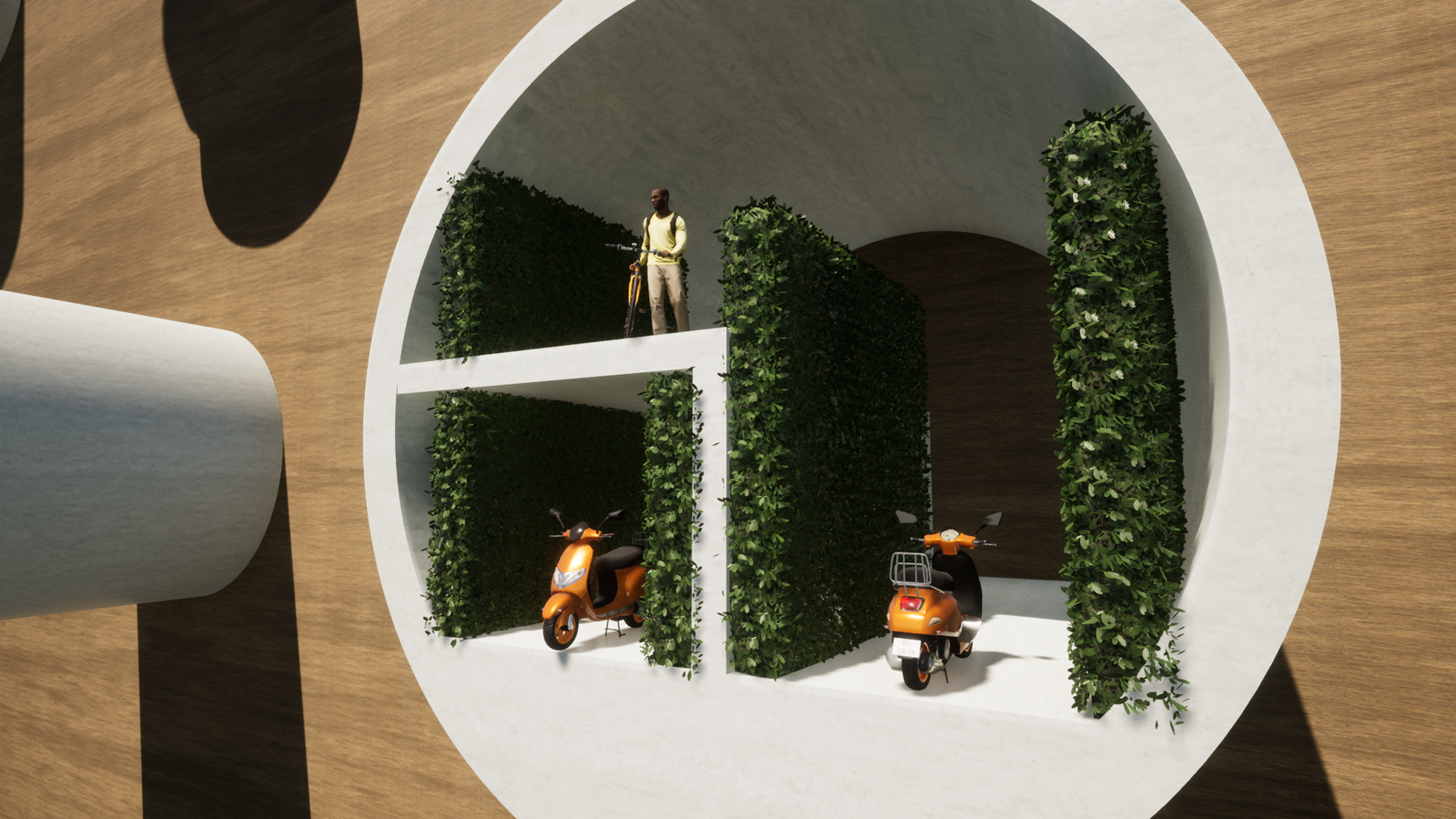
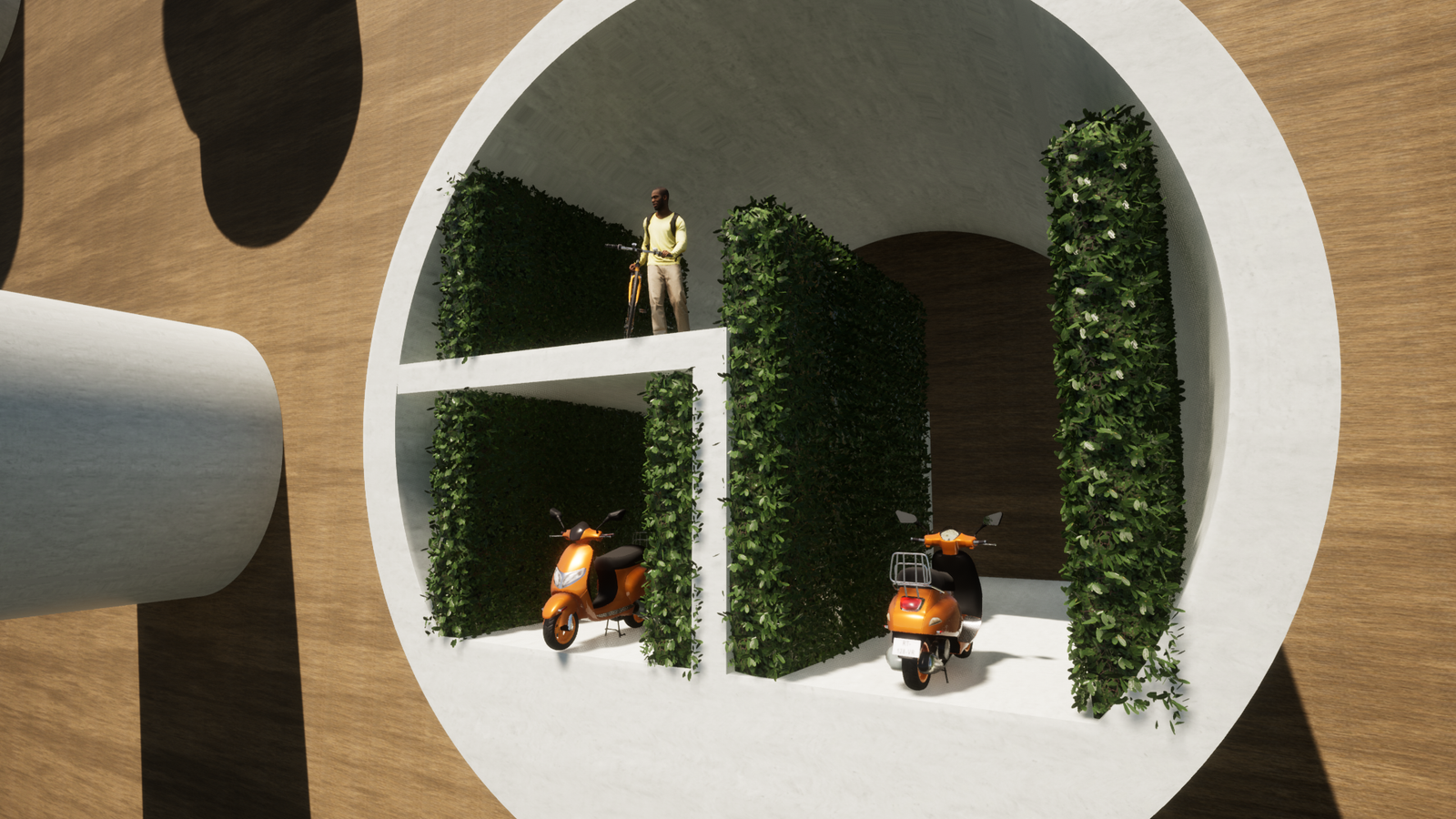
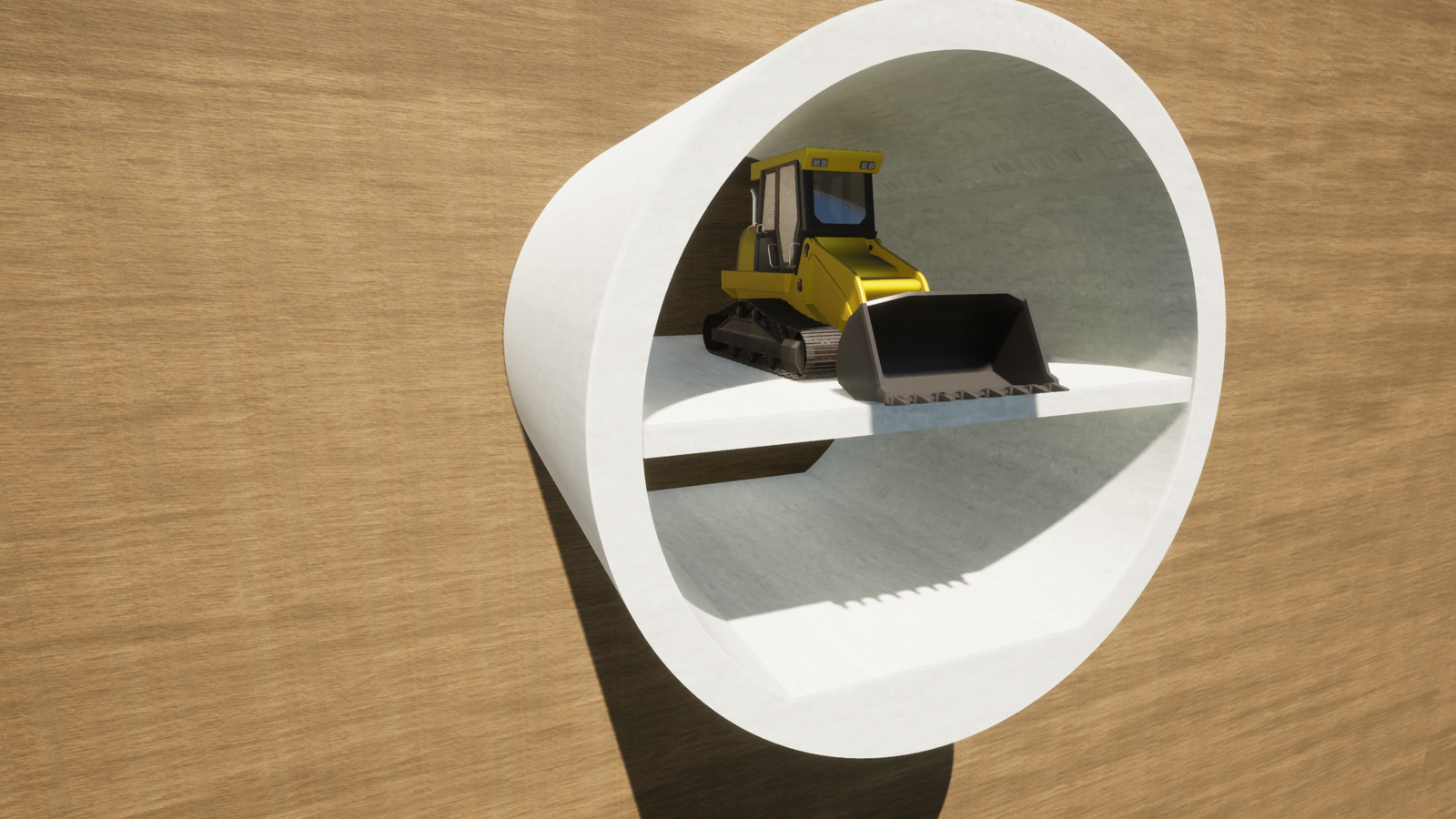
Most agricultural activities, transportation, lifts could fit within smaller, cheaper tunnels. Complex social activities would fit in wider ones. Interconnecting them would make it feel more open. Even more open than walking in a crowded city (here on Earth). Point to point connections would let us avoid key points and rush hours. The whole … million-person city would feel more like a “mountain village” or a “deserted island”. Decentralizing traffic and infrastructure would keep the perceived density low.
All tunnels.
Tunnels A
Tunnel B.
Tunnels C.
Tunnels D.
Tunnels E.